
 Pin it
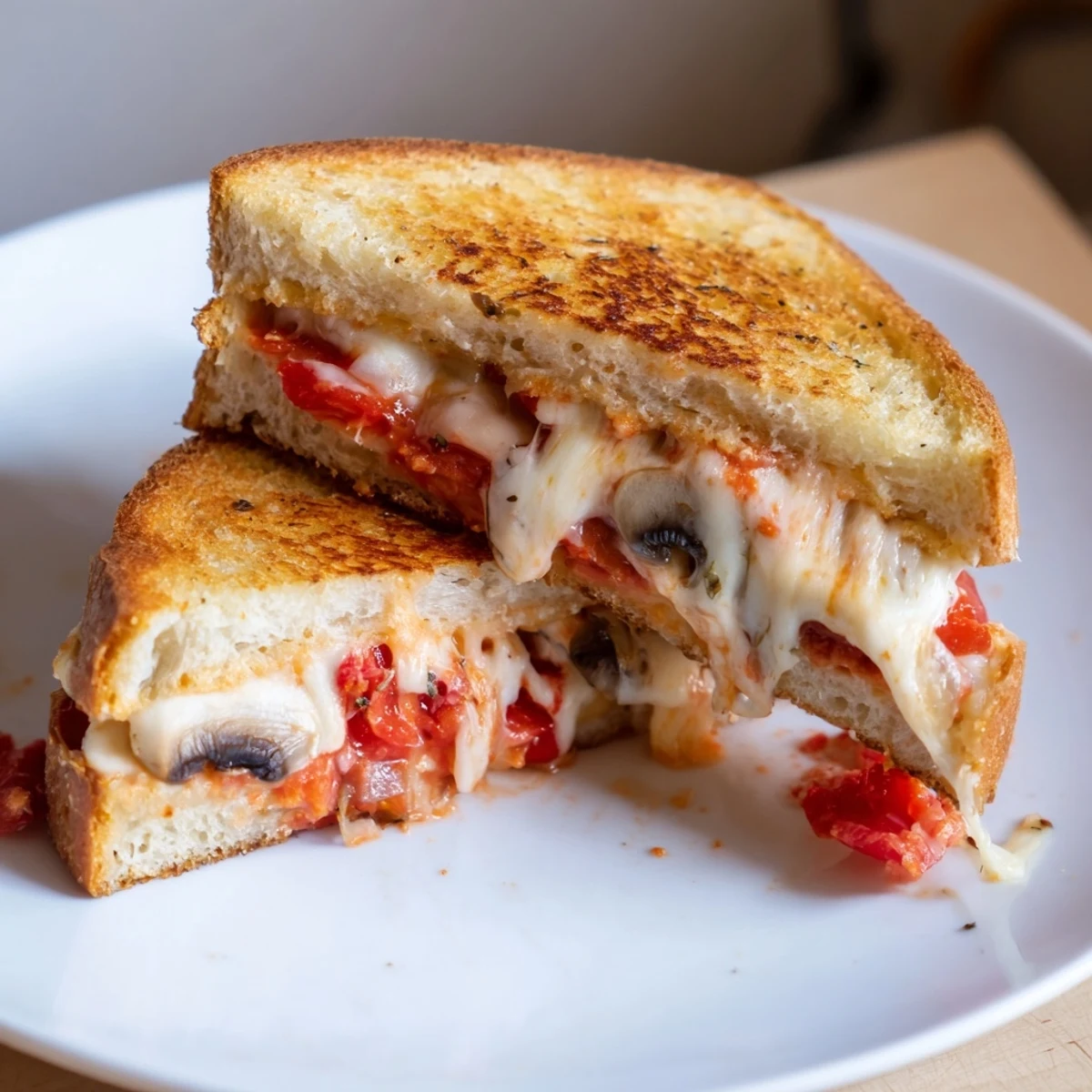
 Quick campfire comfort: butter bread, spread pizza sauce, add shredded mozzarella and chosen toppings, sandwich and clamp in a pie iron. Preheat iron, cook 3–4 minutes per side over medium heat until golden and cheese is molten. Yields four pockets; prep about 10 minutes, cook 8 minutes. Swap in gluten-free bread or dairy-free cheese, add cooked meats or fresh basil for variety, and use a pastry brush to coat for crisp, golden crusts. Cool briefly before serving.
It’s funny how the promise of melty cheese and crisped bread brings everyone out of their tents. The first time I tried making these pie iron pizza pockets, I accidentally dropped half the toppings on the forest floor, but the laughter that followed was worth more than perfect presentation. There’s something so satisfying about flipping a hot iron over flickering campfire flames, surrounded by hungry friends. The smell of toasting bread merging with pine needles is my favorite camping soundtrack.
One summer evening, my nephew insisted on stuffing his pizza pocket with double olives and extra cheese, only to admit halfway through that he’d gone a little overboard. Watching everyone experiment with their fillings became the highlight: crunchy peppers for some, heaps of pepperoni for others, and even a sole mushroom lover in the group. It turned dinner into a playful competition and by the end, we all wore proud cheese stains as badges of honor.
Ingredients
- Bread: Sturdy sandwich bread works best—white or whole wheat hold up well and get that golden crunch, just be sure the slices aren’t paper thin or they’ll tear.
- Pizza sauce: Jarred or homemade both work; just don’t skimp or your pockets will feel dry.
- Shredded mozzarella cheese: Pre-shredded saves time over the fire, but grating fresh makes the cheese meltier and more flavorful.
- Toppings (pepperoni/salami, black olives, bell peppers, mushrooms, Italian herbs): Go wild with your choices; just slice everything so it fits easily and cooks through in the iron.
- Butter (for brushing): Melted butter gets that pie iron sizzling and gives you those crispy, golden edges you’ll want to fight over.
Instructions
- Fire Up the Iron:
- Set your pie iron over the flames or stovetop until it’s warm—test with a tiny drop of water and listen for a gentle sizzle.
- Prepare The Bread:
- Brush one side of each bread slice with melted butter and lay half of them, buttered side down, on a cutting board—this step fills the air with anticipation.
- Layer The Fillings:
- Spread pizza sauce on each piece, scatter on cheese, and add your toppings—don’t go too wild or it’ll ooze everywhere (though that might not be a bad thing).
- Assemble The Pockets:
- Top each with another slice of bread, buttered side facing out—press gently so the sandwich holds together but doesn’t squish out the good stuff.
- Into The Iron:
- Place each sandwich inside the hot pie iron, latch it, and cut away excess bread if it pokes out—this is oddly satisfying and helps avoid burns.
- Campfire Cooking:
- Hold the pie iron over medium heat for about 3–4 minutes per side; you’ll hear sizzling and smell butter as the magic happens—peek if you trust your instincts, but not too soon.
- Serve & Enjoy:
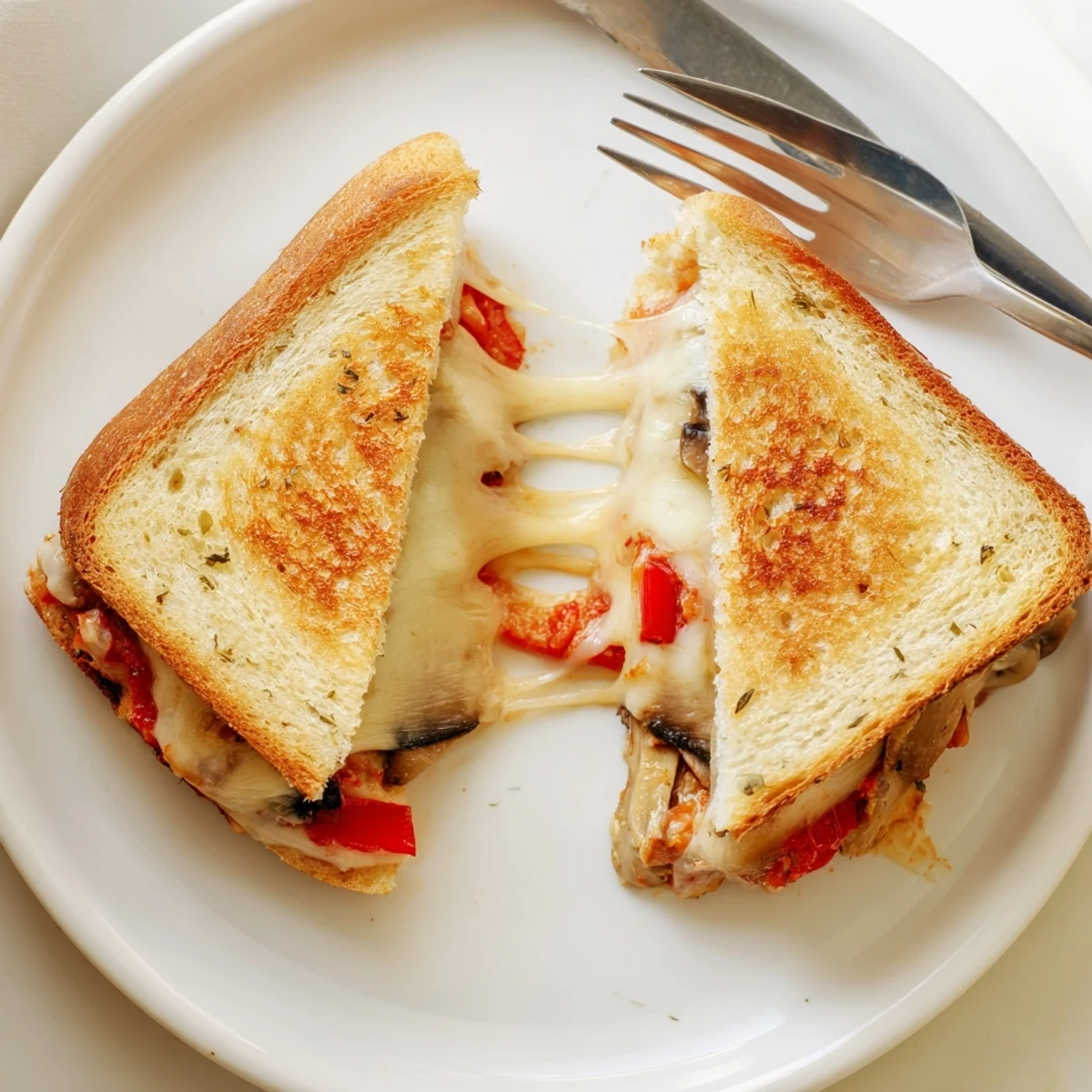
- Release your golden pockets, let them cool so you don’t burn your mouth (speaking from experience), and dig in while the cheese is still stretchy.
 Pin it
 There was a moment, after a long hike, when one perfectly browned pizza pocket made the world right again. Sharing bites straight from the pie iron, with melted cheese stringing between us, made that meal linger in our memories well past the embers’ last glow.
Choosing and Prepping Your Toppings
I’ve learned that prepping all toppings before you start means less chaos when everything’s piping hot around the fire. Quick-cooking vegetables like bell peppers and mushrooms can go in raw, but thicker or heartier items should be precooked so they’re tender by the time the bread is golden.
Making It Your Own, Every Time
Some nights, we swap in pesto or barbecue sauce for a little twist, or sneak in leftover veggies from last night’s grill. No two people seem to like the same toppings—customizing each pocket makes everyone feel like they got a special meal just for them.
Outdoor Pizza Pocket Troubleshooting
Flare-ups and uneven heat are par for the campfire course—just rotate the pie iron for a couple of seconds longer if you notice a pale side. And if a pocket splits in the iron, scoop up every last cheesy bit with a fork; those crispy edges are the best part anyway.
- Keep an eye on the iron so nothing burns while you’re distracted by ghost stories.
- Have a few extra slices of bread—someone will drop one, guaranteed.
- Always let your pocket rest for a minute, or risk a molten cheese surprise.
 Pin it
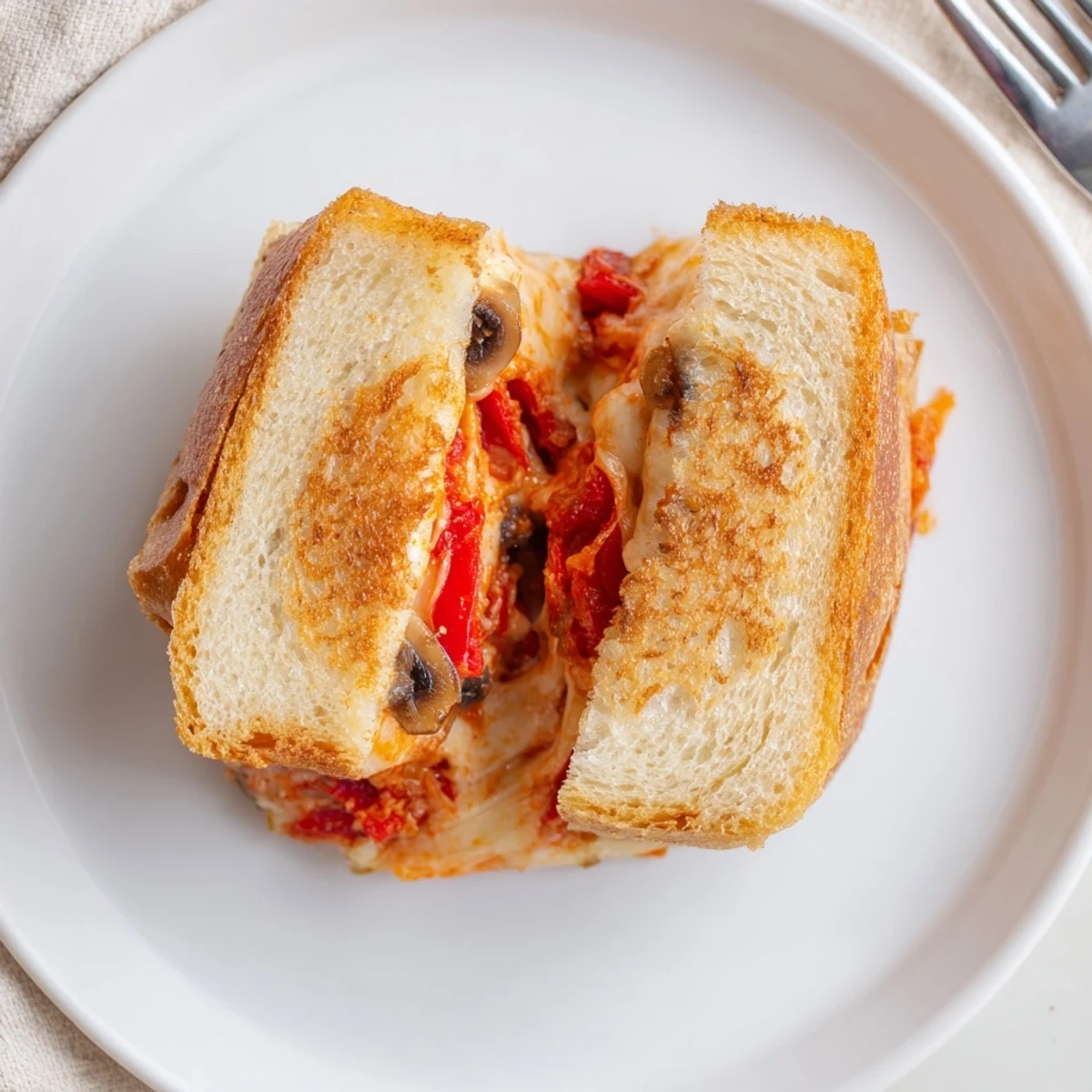
 I promise, once you get the hang of your own pizza pocket style, dinner around the campfire becomes everyone’s favorite part of the trip. No matter who’s around, there’s a pocket for everyone.
Common Recipe Questions
- → How do I get a crisp, golden crust?
-
Butter the outer sides of the bread evenly and preheat the pie iron; brushing with melted butter before cooking promotes even browning and a crisp exterior.
- → Can I make these without a campfire?
-
Yes. Heat the pie iron on a stovetop skillet or over a grill at medium heat and follow the same cook time, turning once for even color and melted cheese.
- → What are good topping combinations?
-
Classics include pepperoni and olives, or mushrooms and bell peppers. Try cooked sausage and fresh basil, or swap marinara for pesto for a different flavor profile.
- → How do I prevent soggy bread from sauce?
-
Use a moderate amount of sauce and pat toppings dry. Layer cheese between sauce and bread to create a barrier, and trim any exposed edges before cooking to seal the pocket.
- → Any allergy-friendly swaps?
-
Use gluten-free sandwich bread for wheat sensitivity and dairy-free shredded cheese or a thin spread of oil in place of butter to reduce dairy content.
- → How should I store and reheat leftovers?
-
Keep cooled pockets in an airtight container in the fridge up to 2 days. Reheat in a skillet or oven at moderate heat to restore crispness rather than microwaving.