
 Pin it
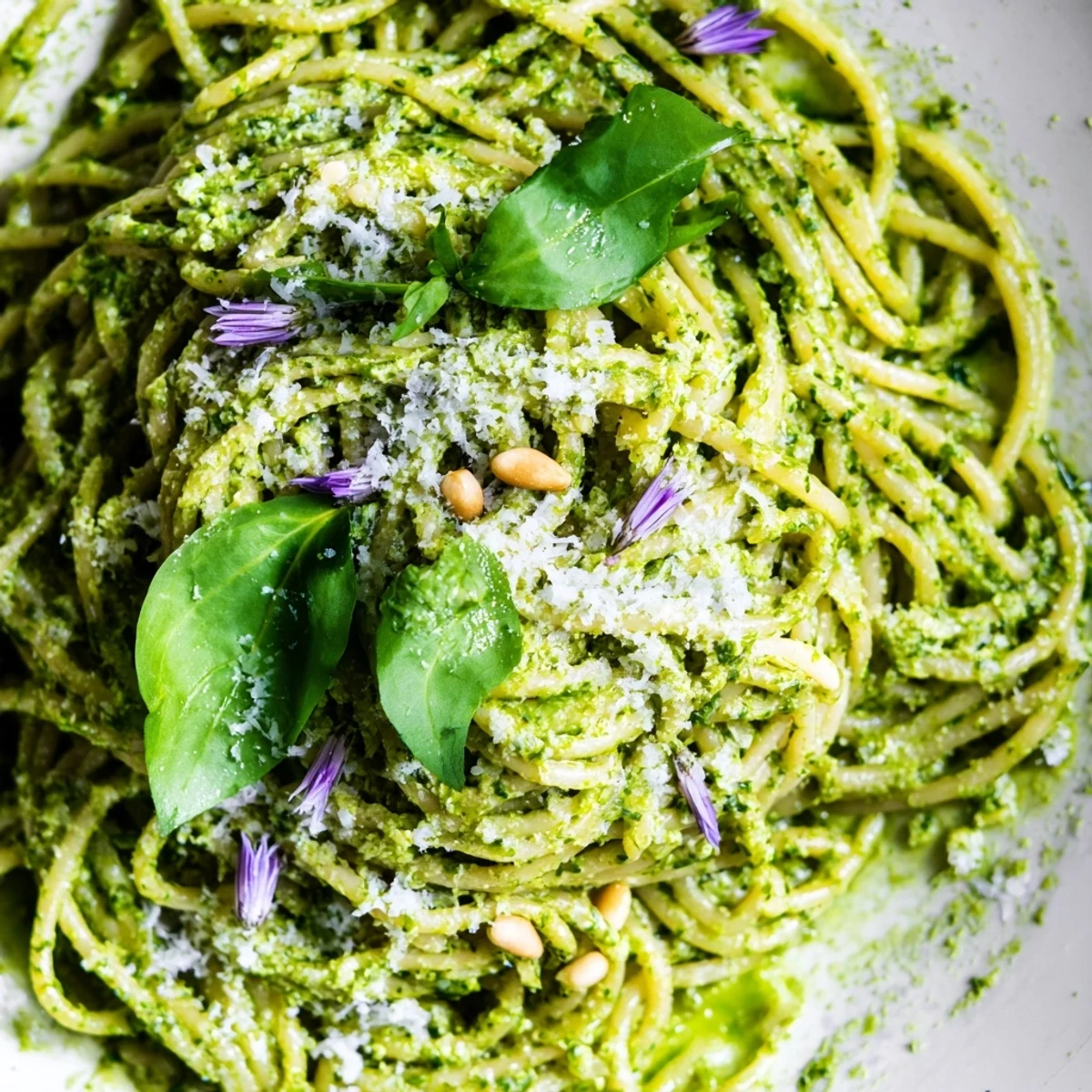
 This wild garlic pesto pasta brings the best of spring flavors to your plate in just 25 minutes. Fresh wild garlic leaves are blended with pine nuts, Parmesan, and extra virgin olive oil into a vibrant, aromatic sauce that coats every strand of al dente spaghetti or linguine.
A splash of reserved pasta cooking water creates a silky, restaurant-quality texture. Finished with extra Parmesan and a scattering of wild garlic leaves, this vegetarian dish makes a perfect weeknight dinner or a stunning centerpiece for a spring gathering.
There is a narrow lane behind the old vicarage near my parents house where wild garlic erupts every April like natures own conspiracy carpeting the ground in green and flooding the air with something between garlic and fresh cut grass. I never paid it much attention until my neighbor Margaret caught me squatting there with scissors and a paper bag looking frankly suspicious. She laughed and told me her grandmother used to fill pillowcases with the stuff. That evening I made pesto for the first time and nearly fell off my kitchen stool.
I brought a big bowl of this to a picnic on the canal last spring thinking it would be a humble side dish among fancier contributions. Within ten minutes my friend Rachel was scraping the last strands from the bowl with her fingers and someone was texting me for the recipe while still chewing.
Ingredients
- Dried pasta (400 g spaghetti or linguine): Long strands hold the pesto beautifully because the sauce wraps and clings to every surface.
- Wild garlic leaves (80 g washed): The star of the show and freshest in spring when the leaves are tender and the scent is strongest.
- Pine nuts (30 g): They give a buttery sweetness that balances the garlic though walnuts work if that is what you have.
- Grated Parmesan (50 g): Adds salt and depth and a slight graininess that makes the pesto feel rich rather than flat.
- Extra virgin olive oil (80 ml): Use the good stuff here because it is the body of the sauce and its flavor comes through plainly.
- Small garlic clove (optional): Wild garlic is milder than regular garlic so this is only if you want an extra punch.
- Lemon juice (half a lemon): Brightens everything and keeps the green from browning too quickly.
- Salt and black pepper: Season gradually and taste as you go because the Parmesan already brings salt.
Instructions
- Boil the pasta with intention:
- Bring a large pot of salted water to a full rolling boil then cook the pasta until just al dente tasting a strand a minute before the package says. Scoop out half a cup of that starchy cooking water before draining because it is liquid gold for loosening the sauce later.
- Build the pesto:
- Drop the wild garlic leaves pine nuts Parmesan olive oil garlic clove if using lemon juice salt and pepper into a food processor and blend until smooth. Stop once to scrape down the sides and taste it on your finger adjusting salt or lemon until it sings.
- Marry pasta and sauce:
- Drain the pasta and return it to the warm pot then pour the pesto over immediately tossing with tongs so every strand gets coated. Splash in a little of the reserved pasta water if the sauce feels thick and you want that glossy restaurant finish.
- Finish and serve:
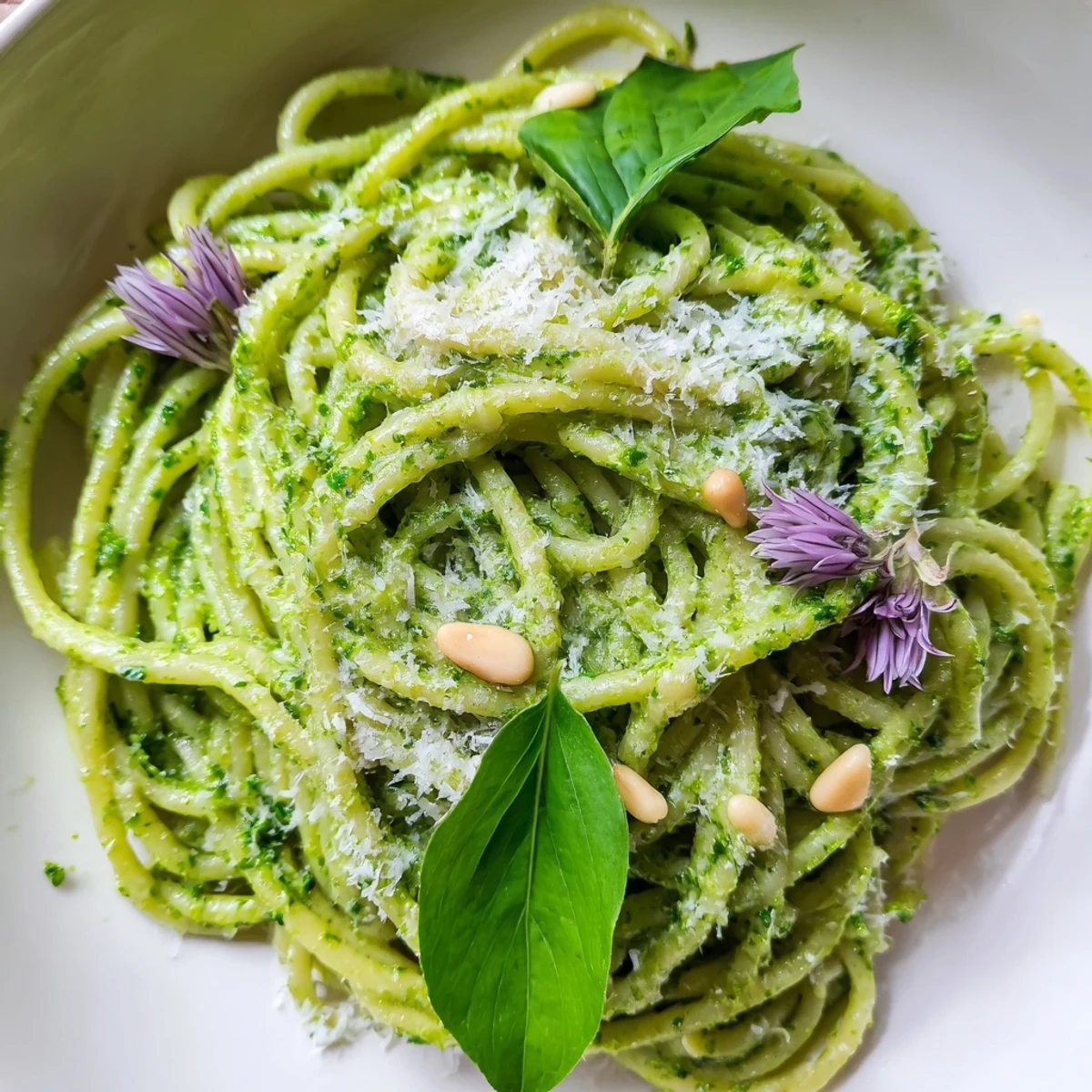
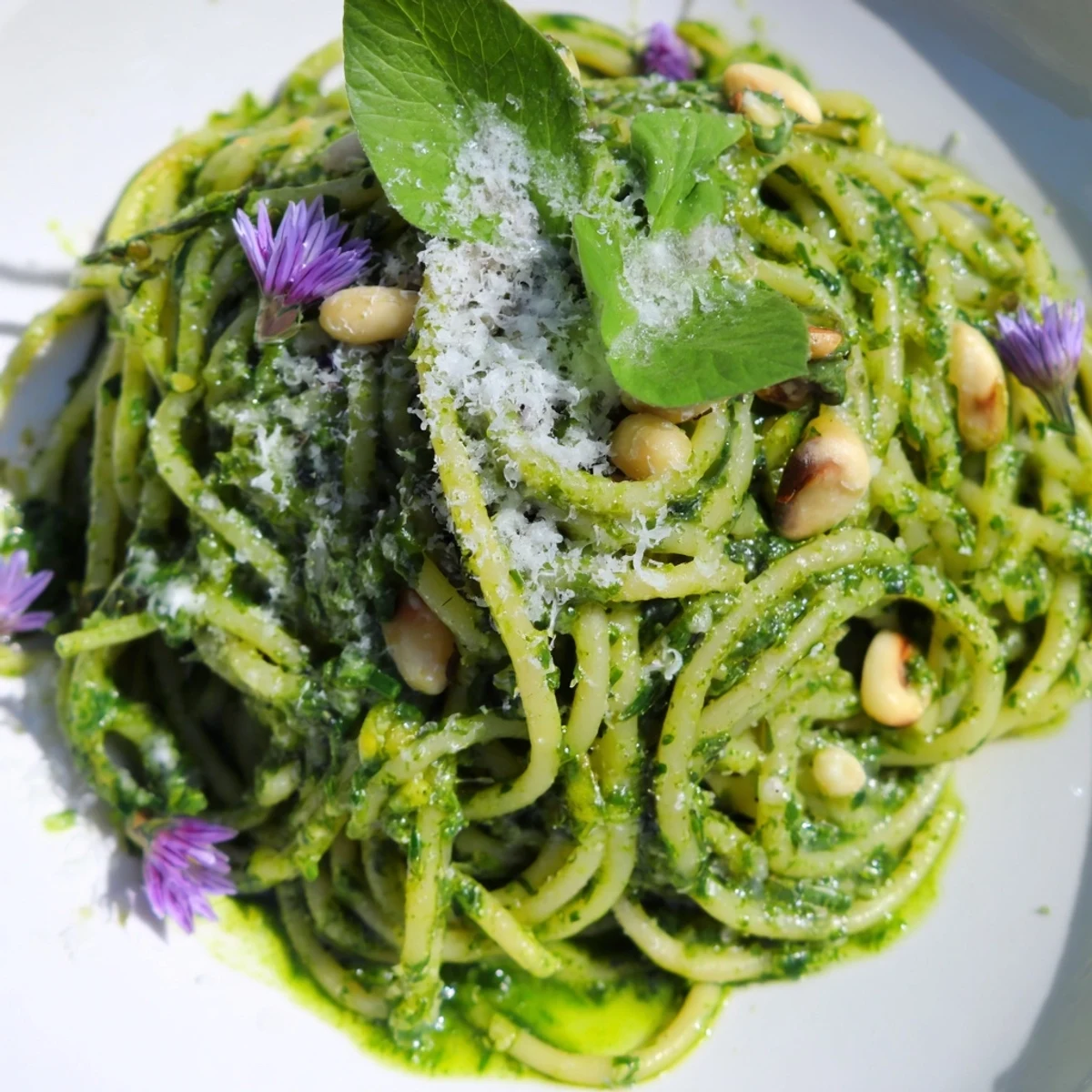
- Transfer to bowls right away and shower with extra Parmesan and a few raw wild garlic leaves or edible flowers if you are feeling decorative.
 Pin it
 My friend David who normally eats like a distracted bird went back for thirds the night I served this and I caught him later eating the leftover pesto straight from the processor bowl with a spoon.
Making It Your Own
Swap pine nuts for toasted sunflower seeds if allergies are a concern and the result is still genuinely delicious with an almost smoky warmth. You can fold a spoonful of the pesto through mashed potatoes spread it on toast with a soft boiled egg or stir it into a bowl of soup for a quick hit of spring.
Keeping Things Vegan
Nutritional yeast steps in beautifully for Parmesan lending a savory almost cheesy note without any dairy at all. Use a generous hand and add a tiny pinch of salt more than you think because nutritional yeast behaves differently on the tongue.
What to Drink Alongside
A cold glass of Pinot Grigio is the obvious move and it works because its clean minerality cuts through the oil and garlic without competing. A sparkling water with a squeeze of lemon is just as welcome if you are keeping things simple.
- Chill your wine for at least two hours before serving.
- Pour the pesto over warm pasta never cold because the heat opens up the flavors.
- Leftover pesto keeps in a jar in the fridge for two days with a thin layer of oil on top.
 Pin it
 This dish is spring in a bowl and every time I make it I think of that lane behind the vicarage and Margaret laughing at me from her garden gate.
Common Recipe Questions
- → Where can I find wild garlic?
-
Wild garlic, also known as ramsons, grows in woodland areas during spring. You can forage it from March to June in damp, shaded areas. Alternatively, check farmers' markets, specialty grocers, or substitute with a mix of basil and regular garlic if unavailable.
- → Can I make the pesto ahead of time?
-
Yes, the pesto can be prepared up to 3 days in advance and stored in an airtight container in the refrigerator. Pour a thin layer of olive oil on top to prevent oxidation and maintain its bright green color.
- → What pasta shapes work best with this pesto?
-
Long strands like spaghetti, linguine, or fettuccine work beautifully as the pesto coats them evenly. Short shapes like fusilli or penne also work well, as their ridges and crevices hold the sauce effectively.
- → How do I prevent the pesto from turning brown?
-
The lemon juice in the pesto helps preserve its bright green color. Blanching the wild garlic leaves for 10 seconds in boiling water, then shocking in ice water, also helps maintain vibrancy. Store with a layer of olive oil on top.
- → Can I freeze wild garlic pesto?
-
Absolutely. Freeze the pesto in ice cube trays for individual portions, then transfer to a freezer bag. It keeps well for up to 6 months. Thaw in the refrigerator before tossing with freshly cooked pasta.
- → What wine pairs well with this dish?
-
A crisp white wine such as Pinot Grigio, Vermentino, or Sauvignon Blanc complements the garlicky, herbaceous flavors beautifully. For a local Italian match, try a Ligurian Vermentino which pairs naturally with pesto dishes.