
 Pin it
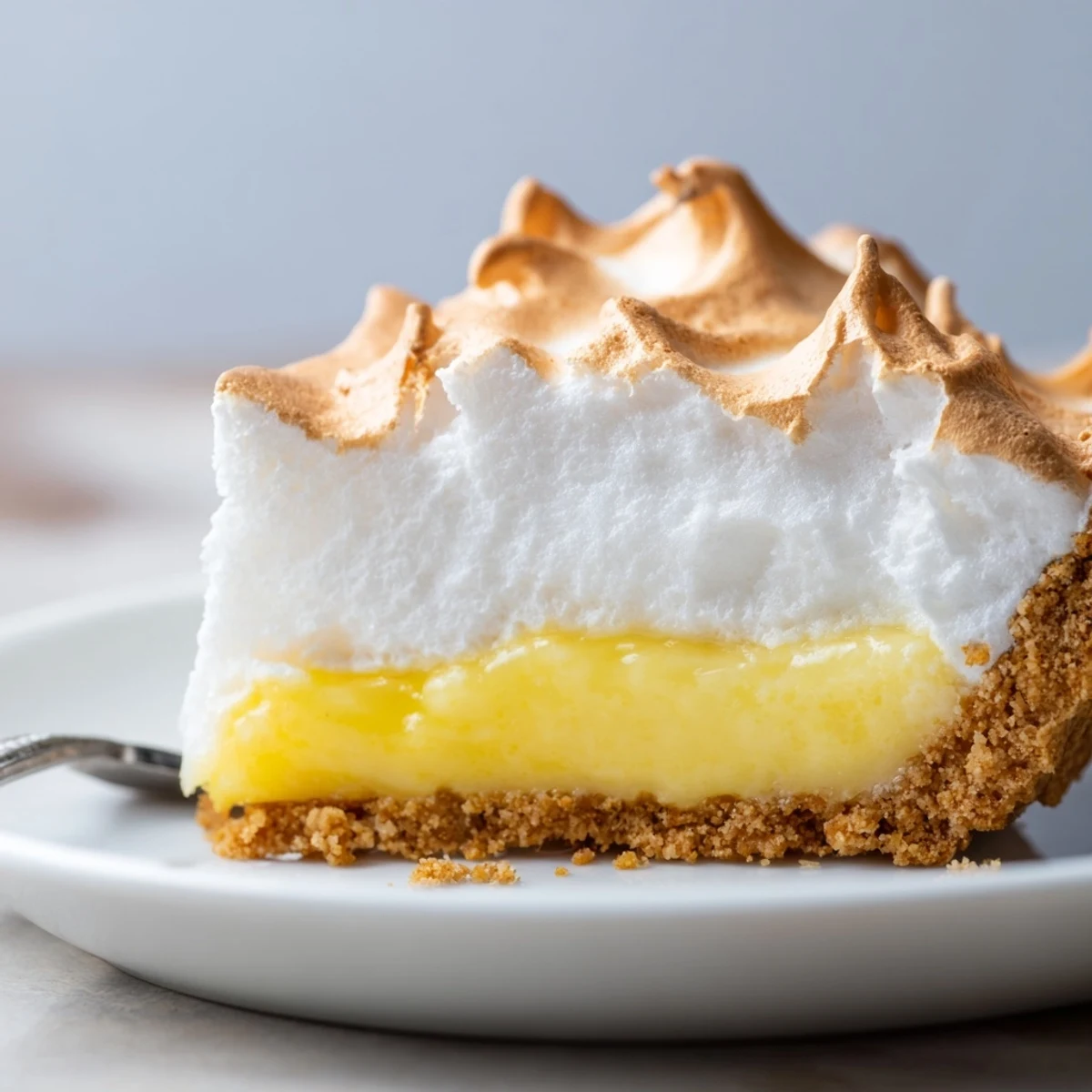
 This dessert features a crisp graham cracker crust paired with a silky, tangy lemon filling. Topped with fluffy, toasted meringue, it offers a perfect balance of sweet and tart flavors. Preparation involves baking the crust first, cooking a smooth lemon custard, then crowning it with well-beaten meringue before a final bake. Cool time is essential for clean, firm slices. Ideal for serving at gatherings and complements well with light beverages.
There's something about the moment when a perfectly golden meringue emerges from the oven that made me understand why lemon meringue pie has endured for generations. The first time I made it was on a whim—my grandmother had left behind only a handwritten card with vague instructions, and I was determined to decode what she'd meant by "until it looks like clouds." What started as an intimidating three-part dessert became the most rewarding puzzle I've ever solved in the kitchen, teaching me that some things really are worth the careful attention.
I remember bringing this pie to a potluck on the hottest day of summer, worried the filling would break apart in the heat. Someone cut into it and it held together perfectly—clean, elegant slices with that meringue practically melting on their tongue. Watching people's faces light up, especially the ones who said they'd never made meringue because it seemed too fussy, made me realize I wasn't just serving dessert. I was handing them permission to try something they thought was beyond them.
Ingredients
- Graham Cracker Crumbs (1 1/2 cups): The foundation that keeps this pie grounded—literally and flavor-wise. Fresh crumbs matter; don't use stale crackers or the crust falls apart.
- Granulated Sugar: You'll use it three times here, which taught me that sugar does very different jobs depending on context—structural in the crust, thickening in the filling, stabilizing in the meringue.
- Unsalted Butter (1/2 cup + 2 tbsp): The richness that makes the crust sing and the filling glossy, so don't skip it or substitute.
- Cornstarch (1/4 cup): This is your secret weapon for a smooth, sliceable filling that doesn't weep—it's the difference between elegant and watery.
- Fresh Lemon Juice & Zest (2/3 cup juice, 1 tbsp zest): The soul of this pie; bottled juice tastes like regret, but fresh lemons taste like summer.
- Egg Yolks & Whites (4 of each): Don't waste them—save yolks for the filling and whites for the meringue, and make sure there's not a speck of yolk in the whites or they won't whip properly.
- Cream of Tartar (1/4 tsp): A tiny amount that stabilizes meringue and prevents it from turning grainy—I learned this the hard way.
Instructions
- Toast the Crust Base:
- Preheat your oven to 350°F and mix graham cracker crumbs with sugar until it feels like wet sand. Drizzle in melted butter and stir until every crumb is moistened—you'll feel the difference between dry patches and properly coated ones. Press the mixture firmly into your pie dish, working it up the sides with the bottom of a measuring cup, then bake for 8–10 minutes until it's golden and set. You'll smell when it's ready.
- Build the Filling Base:
- In a saucepan, whisk together sugar, cornstarch, and salt, then slowly add water while whisking to avoid lumps. This mixture will go from cloudy to translucent as it heats—keep whisking constantly over medium heat until it thickens noticeably and reaches a boil, about 5 minutes.
- Temper the Yolks Carefully:
- Whisk your egg yolks in a bowl, then very slowly pour in about half a cup of the hot mixture while whisking constantly—this prevents scrambled eggs in your filling. Pour this yolk mixture back into the saucepan and whisk continuously, then let it boil for exactly 1 minute to cook the eggs safely.
- Finish the Filling with Brightness:
- Remove from heat and stir in lemon juice, zest, and butter until the whole thing becomes silky and glossy. Pour it into your cooled crust and smooth the top with a spatula—this is when it stops looking like a mess and starts looking intentional.
- Whip the Meringue into Clouds:
- In a completely clean bowl (any grease ruins this), beat egg whites with cream of tartar on medium-high speed until soft peaks form—they'll look fluffy but still a bit loose. Gradually add sugar while beating, then vanilla, until you have stiff, glossy peaks that hold their shape when you lift the beaters. This should take about 5–7 minutes total.
- Seal It All Together:
- Spread meringue over the hot filling, making sure it touches the crust all the way around—this seal prevents it from shrinking away and weeping. Use the back of a spoon to create peaks and valleys for that dramatic look, then bake for 15–18 minutes until the peaks are golden brown.
- Cool with Patience:
- Let the pie cool to room temperature on the counter, then refrigerate for at least 2 hours before slicing. This resting time is non-negotiable; it's when everything sets and you get clean, beautiful slices instead of a soupy mess.
 Pin it
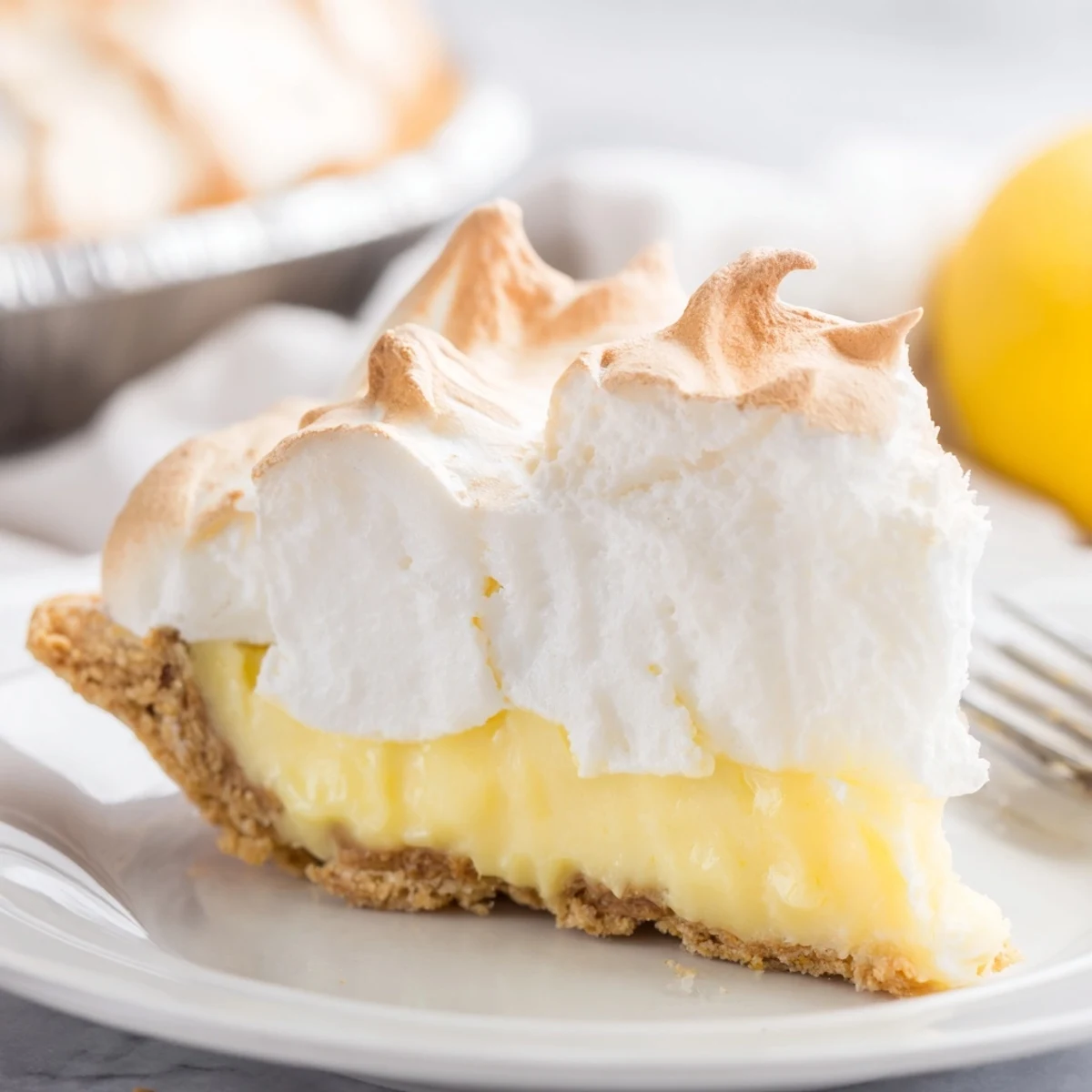
 The real moment this pie became sacred was when I served it to my neighbor who'd just moved in with his two kids. They devoured it in silence, and afterward, his daughter asked if we could make it together sometime—not because she'd asked for it, but because watching me do it had made it seem possible. That's when I realized this pie teaches you something just by watching it come together.
The Golden Crust Moment
The graham cracker crust should be treated like a canvas, not an afterthought. When you bake it those first 8–10 minutes, you're not just drying it out—you're developing flavor and creating structure that holds everything together. I learned to listen for when the kitchen starts smelling like toasted honey, which means it's done. Under-baked and it stays soft; over-baked and it tastes bitter. That golden stage in between is where the magic lives, and that's when you know you've got the foundation for something that will hold up under the weight of bright lemon and sweet clouds.
Why This Filling Stays Smooth
The cornstarch is doing heavy lifting here, and once I understood why, meringue pie stopped being intimidating. Regular custard breaks and weeps because there's nothing holding it together; cornstarch creates a network that keeps everything bound. When you temper the yolks by slowly adding hot mixture instead of dumping them in, you're just being kind to the eggs—giving them time to adjust to heat so they stay silky instead of scrambling. The butter at the end isn't just richness; it's making the whole filling glossy and stable. Understanding these little jobs made me stop following recipes blindly and start actually cooking.
The Meringue Mythology
Meringue has a reputation for being finicky, but it's mostly a myth created by people who didn't pay attention to the details. The cream of tartar stabilizes the foam so it doesn't collapse halfway through beating. The sugar, added gradually, gets incorporated smoothly and dissolves so you don't get grains in your meringue. The vanilla at the very end is just a whisper—it's not about flavor as much as it is about reminding you that even small additions matter.
- Make sure your bowl and beaters are completely free of any fat or grease, or the egg whites simply won't whip.
- Stop beating when you have stiff, glossy peaks—over-beating makes it dry and grainy, which is the opposite of what you want.
- Spread the meringue onto hot filling, which helps it cook through and set properly at the edges.
 Pin it
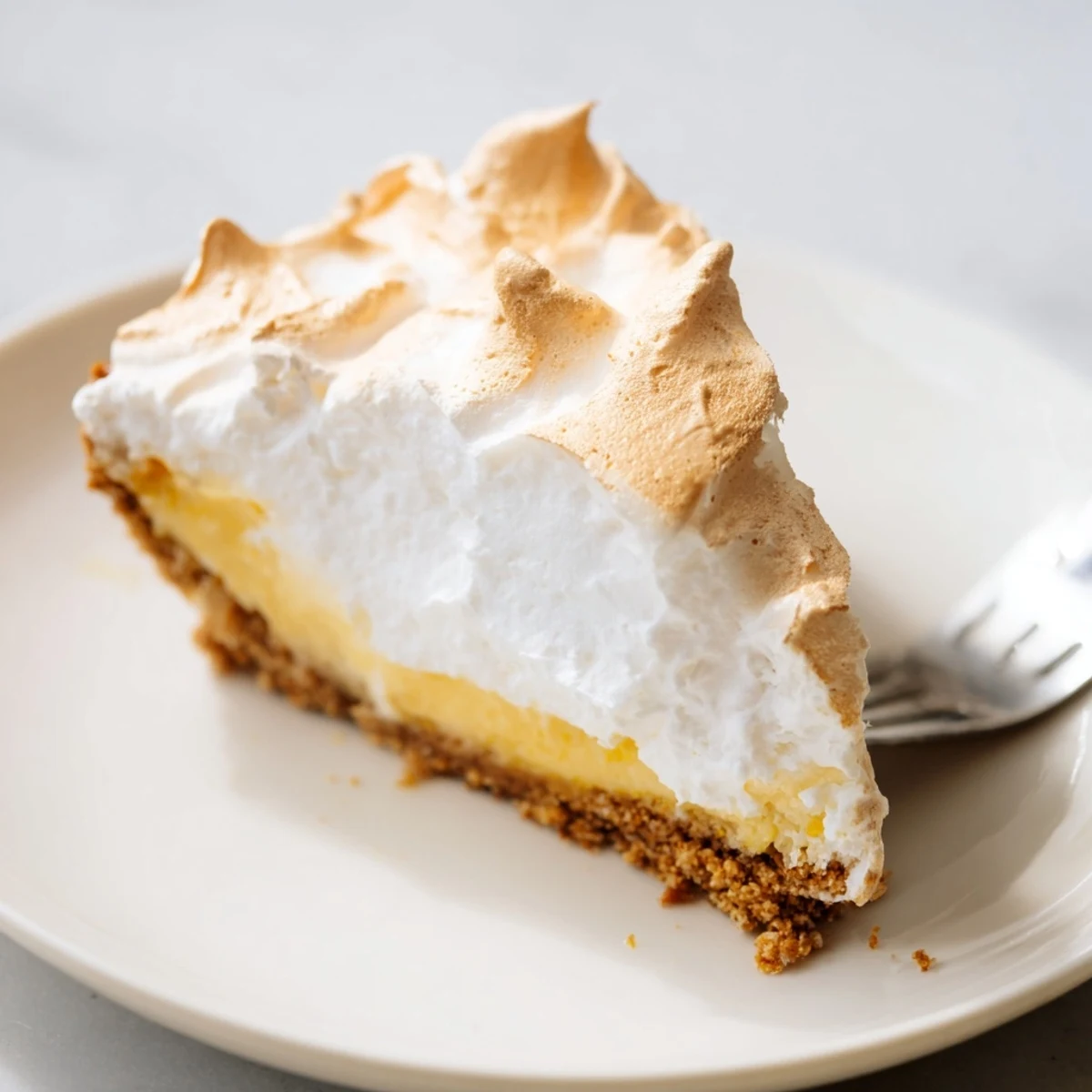
 Making this pie taught me that some recipes are worth taking seriously, not because they're complicated, but because every step teaches you something about how flavors and textures work. It's a dessert that feels special every time, whether you're making it for someone else or finally making it for yourself.
Common Recipe Questions
- → How do I achieve a crisp graham cracker crust?
-
Combine graham cracker crumbs with sugar and melted butter, pressing firmly into the dish before baking briefly until golden for a crisp texture.
- → What ensures a smooth lemon filling?
-
Constant whisking during cooking and tempering the egg yolks with hot mixture prevents lumps and creates a silky filling.
- → How to prevent meringue from weeping?
-
Spread meringue so it touches the crust edges to seal in moisture and bake until golden to set the peaks.
- → Can this dessert be refrigerated?
-
Yes, chilling for at least two hours helps firm the filling and facilitates clean slicing. Consume within two days for best quality.
- → Are there alternatives for dietary restrictions?
-
Use gluten-free graham crackers to accommodate gluten-free needs and check ingredient labels carefully for allergens.