
 Pin it
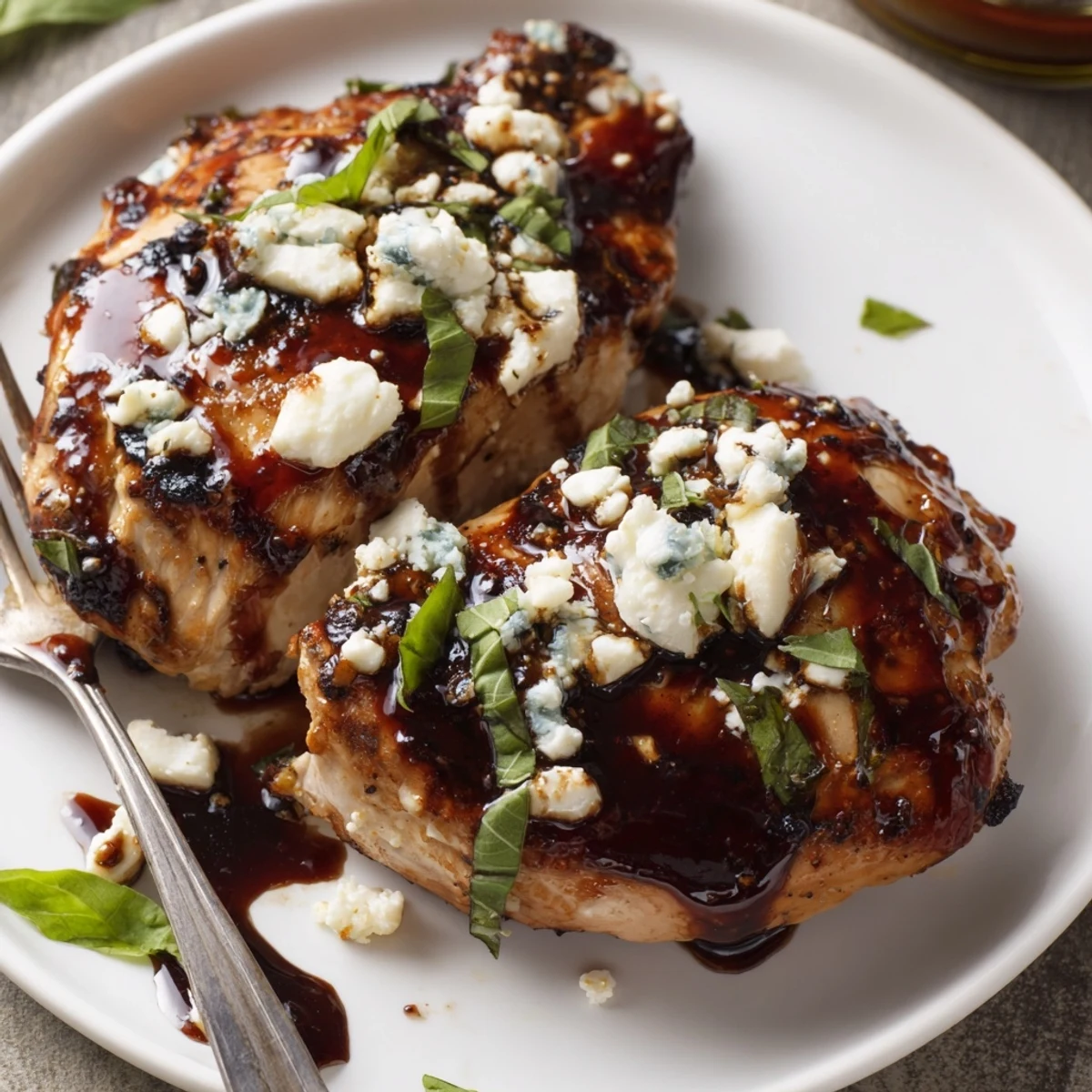
 This vibrant dish layers boneless chicken breasts with a honey-balsamic Dijon glaze, baked at 400°F until the meat reaches 165°F, then finished with crumbled goat cheese so it just softens. Baste once while cooking for a glossy pan sauce and let rest a few minutes before serving. Fresh basil brightens the plate; optional balsamic reduction heightens tang. Ready in about 40 minutes and pairs well with roasted veg or salad.
The smell of balsamic vinegar hitting a hot oven pan is one of those scents that instantly makes a kitchen feel like it means business, deep, slightly sweet, almost caramel like, and impossible to ignore. I stumbled onto this combination one Tuesday when the fridge held chicken, a sad lump of goat cheese, and half a bottle of balsamic I kept ignoring. Twenty minutes later the whole house smelled like a bistro and I was standing at the counter eating straight from the baking dish with a fork. It has been on repeat ever since.
My neighbor Karen knocked on my door the first time I made this, not even kidding, she followed the smell up the driveway and stood in my kitchen watching me pull the pan out of the oven. We ended up splitting a portion right there at the counter, no plates, just forks and a cutting board between us. She now texts me every other week asking if balsamic chicken night is happening again.
Ingredients
- Chicken Breasts: Four boneless, skinless breasts are your canvas here, and pounding them slightly even helps them cook evenly and soak up more of that gorgeous marinade.
- Balsamic Vinegar: A third of a cup is all you need, and it reduces into something syrupy and complex in the oven heat.
- Honey: Two tablespoons balance the sharpness of the vinegar and help everything caramelize into a glossy, dark glaze.
- Dijon Mustard: One tablespoon adds a quiet heat and emulsifies the marinade so it clings to the chicken instead of pooling at the bottom.
- Garlic: Two cloves minced fine because raw garlic in a marinade is one of the easiest ways to build real flavor depth.
- Olive Oil: Two tablespoons keep the chicken moist and help carry the flavors across every surface.
- Salt and Pepper: Half a teaspoon of salt and a quarter teaspoon of black pepper may seem basic but they wake up every other ingredient in the dish.
- Goat Cheese: Four ounces crumbled over the hot chicken at the end turns soft and creamy without fully melting, which is exactly what you want.
- Fresh Basil: A quarter cup chopped and scattered on at the last second adds a bright, sweet pop that cuts through the richness beautifully.
- Extra Balsamic Glaze and Pepper: Optional but a final drizzle of reduction and a crack of pepper on top makes the plate look like it came from a restaurant kitchen.
Instructions
- Preheat and Prepare:
- Set your oven to 400 degrees Fahrenheit and let it come fully to temperature while you mix the glaze, because a hot oven is what makes that balsamic sauce bubble and caramelize rather than just simmer sadly.
- Whisk the Glaze Together:
- In a small bowl combine the balsamic vinegar, honey, Dijon mustard, minced garlic, olive oil, salt, and pepper and whisk until the honey dissolves and everything looks unified and glossy.
- Coat the Chicken:
- Arrange the chicken breasts in a baking dish and pour the marinade over them, turning each one so every surface gets coated, then let them sit for ten minutes if you have the time because even a brief soak makes a noticeable difference.
- Bake and Baste:
- Slide the dish into the oven and bake for twenty to twenty five minutes until the chicken hits an internal temperature of 165 degrees Fahrenheit, and halfway through spoon the pan juices back over the top so nothing dries out.
- Add the Goat Cheese:
- Pull the pan out briefly and scatter the crumbled goat cheese across each breast, then return it to the oven for two to three minutes just until the cheese softens and begins to slump against the chicken.
- Finish with Basil and Serve:
- Transfer each breast to a plate, spoon some of the pan sauce over the top, sprinkle generously with chopped basil, and add a drizzle of extra balsamic glaze and cracked pepper if you are feeling indulgent.
 Pin it
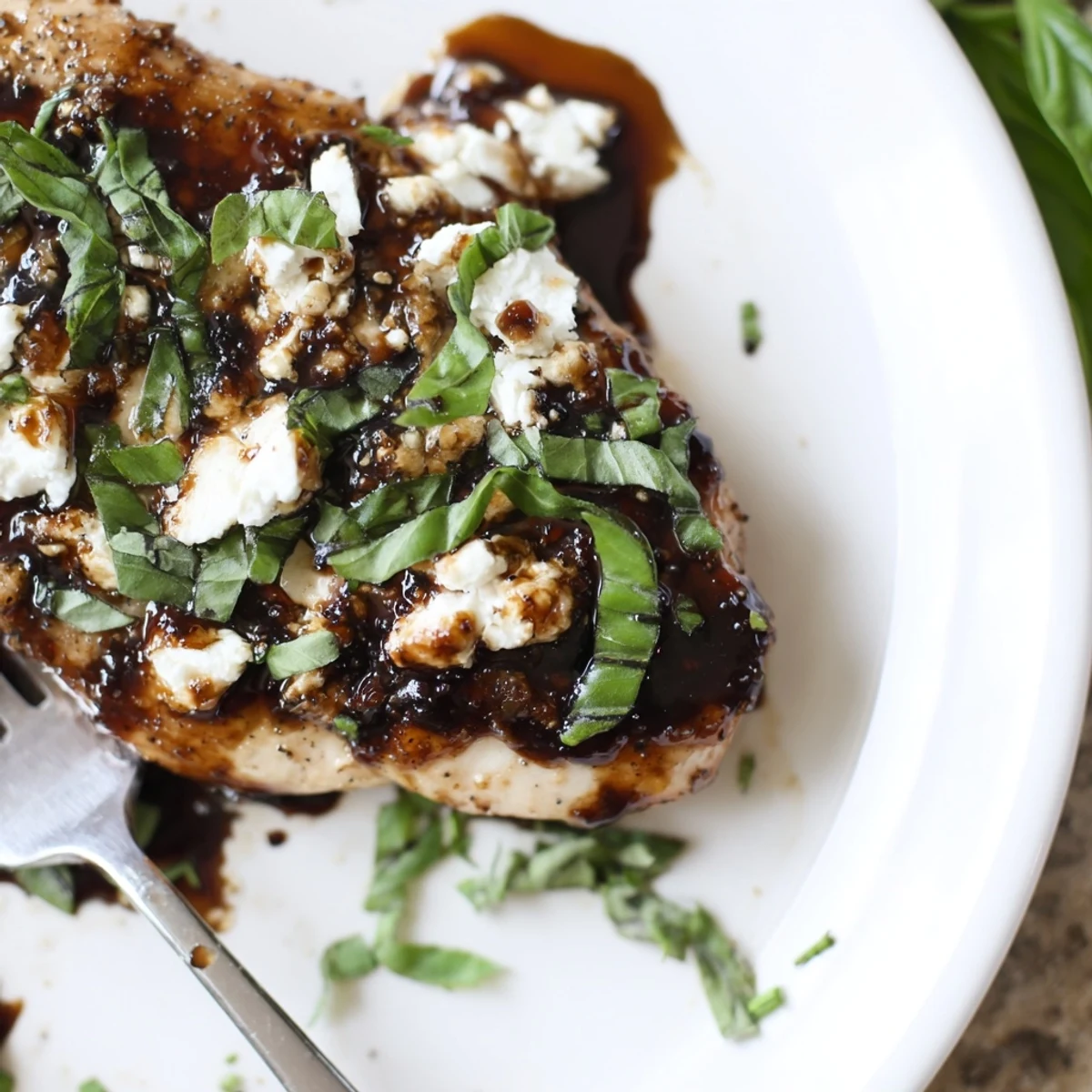
 There is something about the way goat cheese melts just slightly on hot chicken that makes you slow down and actually taste what you are eating. I have served this to friends who claim they do not like goat cheese and watched them change their minds mid bite. That little wedge of cheese has converted more skeptics than anything else in my refrigerator.
What to Serve Alongside It
Roasted vegetables are the easiest companion here because you can toss them on a second sheet pan and slide them into the oven right next to the chicken. A simple green salad with a light vinaigrette also works wonders, giving you something crisp and cold against the warm, saucy chicken. Mashed potatoes are the comfort route, and honestly you cannot go wrong with any of these because the balsamic glaze plays well with almost everything.
Making It Your Own
Chicken thighs swap in beautifully if you prefer darker meat, just add a few extra minutes to the baking time and check the temperature. Arugula or flat leaf parsley can stand in for basil if that is what you have, and each one shifts the flavor in a slightly different direction worth exploring. A store bought balsamic reduction drizzled over the finished plate adds an extra hit of tang that takes the whole thing up a notch.
Getting the Texture Right
The difference between good balsamic chicken and great balsamic chicken is all in how you handle the glaze and the cheese timing.
- Let the chicken rest for two minutes after it comes out of the oven before adding the goat cheese so it does not melt into a puddle.
- Spoon every bit of pan sauce over the final plated chicken because that liquid gold is where half the flavor lives.
- Serve immediately once the basil hits because fresh herbs wilt fast and you want that bright green contrast when you bring it to the table.
 Pin it
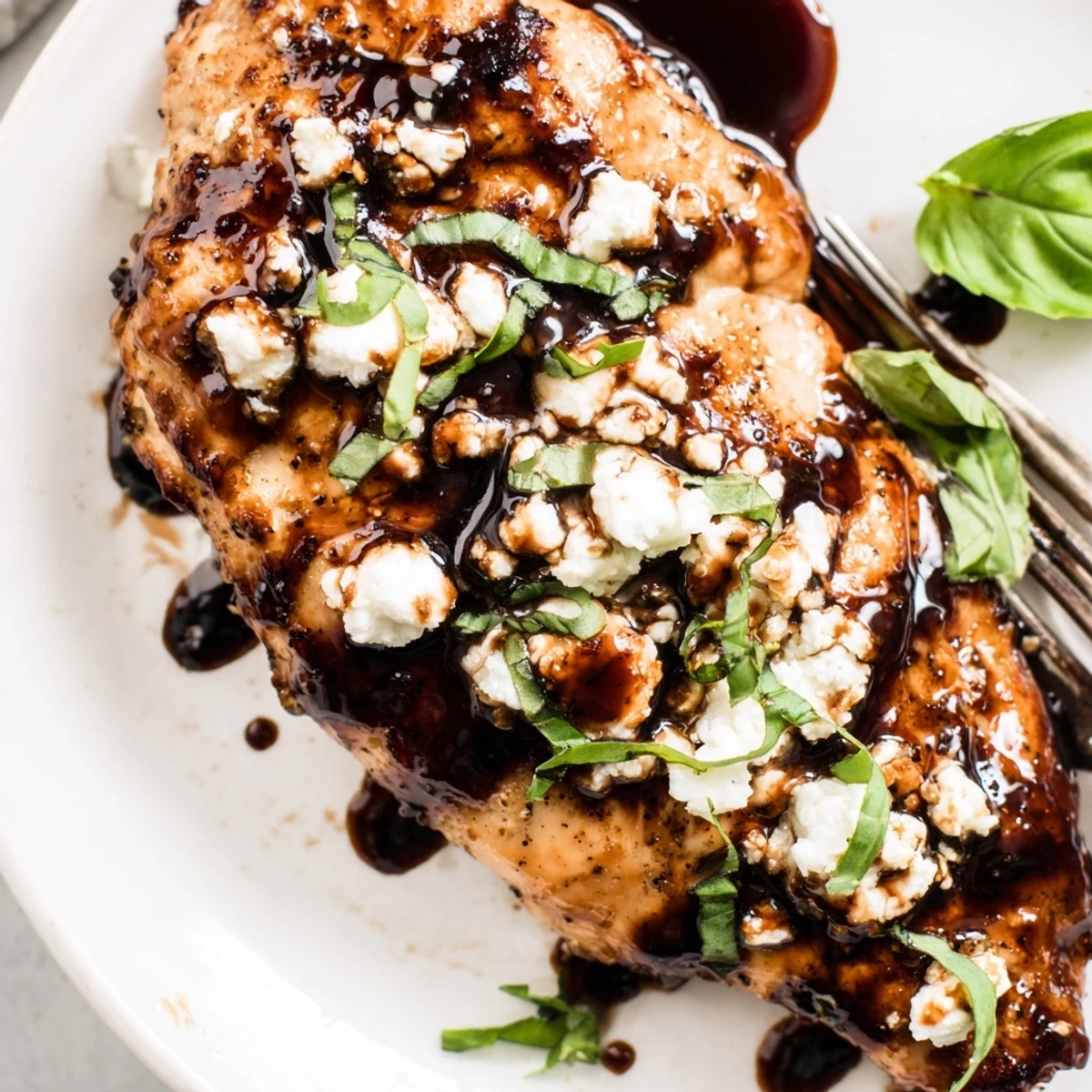
 This is the kind of recipe that makes you look like you tried much harder than you actually did, and there is no shame in letting people believe you spent all afternoon on it. Keep it in your back pocket for everything from a random Tuesday to a dinner party where you want to impress without stress.
Common Recipe Questions
- → How long should I bake the chicken?
-
Bake at 400°F (200°C) for 20–25 minutes for boneless breasts, or until an instant-read thermometer registers 165°F (74°C). Basting once with pan juices halfway through keeps the glaze glossy and prevents drying.
- → Can I use chicken thighs instead of breasts?
-
Yes. Bone-in or boneless thighs work well and stay juicier; reduce oven time for boneless thighs (about 18–22 minutes) or increase for bone-in until internal temp reaches 165°F. Adjust basting and finish time for the goat cheese to soften.
- → How do I make a quick balsamic reduction?
-
Simmer 1/2 cup balsamic vinegar with 1–2 teaspoons honey over low heat until reduced by half and slightly syrupy (8–12 minutes). Cool to thicken; drizzle sparingly to intensify tang without overpowering the dish.
- → What can I substitute for goat cheese?
-
Good alternatives include feta for tangy crumbles, ricotta for a milder creaminess, or a soft fresh mozzarella if you prefer a milder, meltier finish. Choose one that complements the balsamic glaze.
- → Can I marinate the chicken ahead of time?
-
Yes. Marinate up to 2 hours in the balsamic-honey-Dijon mixture for extra flavor. Avoid marinating much longer if your marinade is very acidic, as it can change the chicken's texture.
- → How should I store and reheat leftovers?
-
Refrigerate cooled chicken in an airtight container for up to 3–4 days. Reheat gently in a 325°F oven or in a covered skillet with a splash of broth to retain moisture; add fresh basil after reheating.