
 Pin it
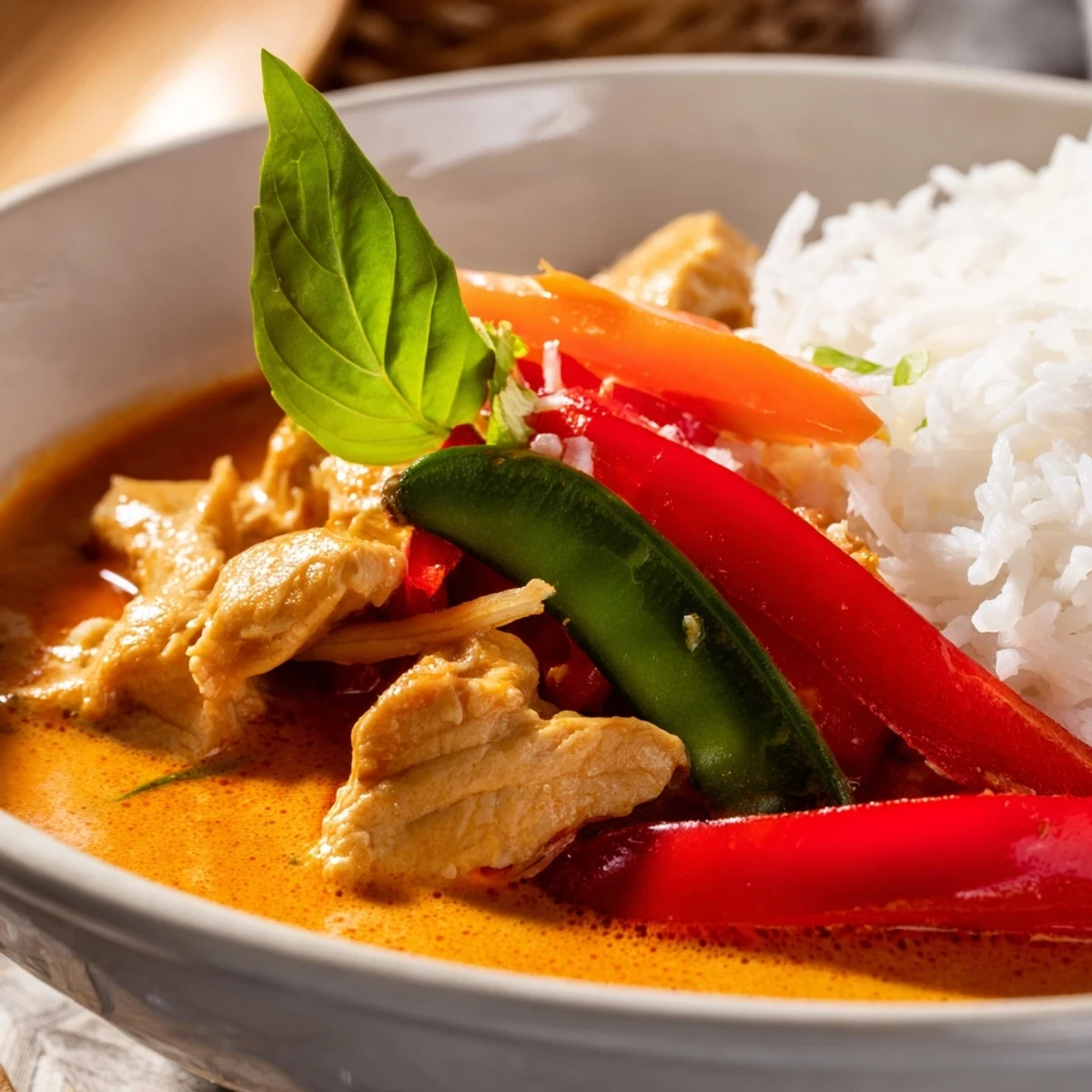
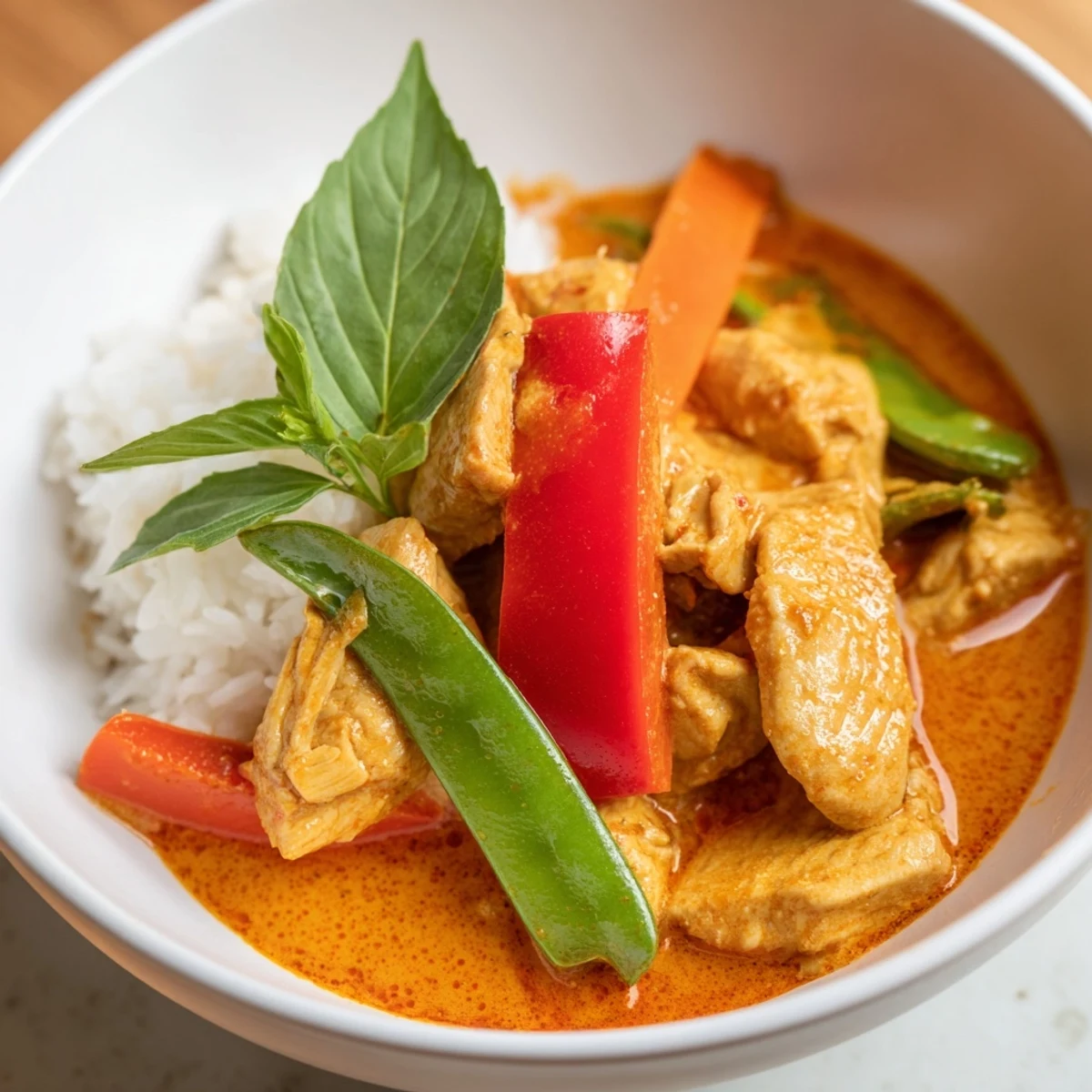
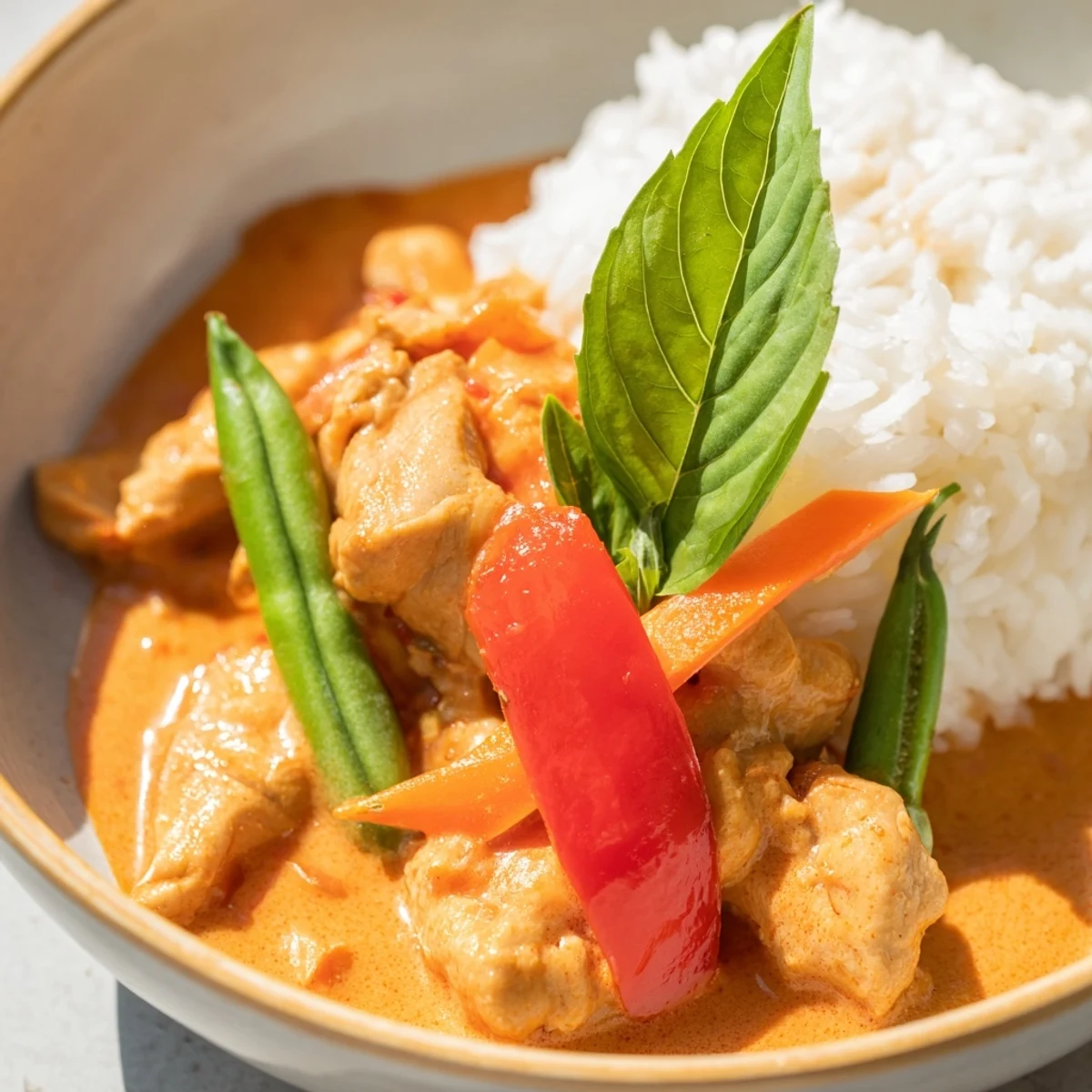
 This dish combines tender chicken pieces with a variety of fresh vegetables such as bell pepper, zucchini, snap peas, and carrot, all cooked gently in a spicy Thai red curry paste blended with creamy coconut milk and chicken stock. The curry base is flavored with fish sauce, brown sugar, and lime zest, creating a perfect balance of heat and sweetness. Garnished with fresh Thai basil or cilantro and optional sliced red chili, it pairs beautifully with steamed jasmine rice for a comforting, flavorful meal.
One humid evening, my friend brought home a small jar of Thai red curry paste from a market in her neighborhood, and the moment she opened it, the kitchen filled with this intoxicating blend of chilies, garlic, and lemongrass that made me stop what I was doing. We had chicken in the fridge, some vegetables scattered in the crisper drawer, and coconut milk from last week's failed dessert attempt. Within forty minutes, we had something so vibrant and comforting that we ended up making it three times that month.
I made this for my coworker's dinner party on a Tuesday night when the weather had finally turned cold, and watching people blow on their spoons and reach for seconds without being asked told me everything I needed to know about whether this recipe worked. The kitchen was steamy, smelling like a tiny Thai restaurant, and someone asked for the recipe before dessert even arrived.
Ingredients
- Boneless, skinless chicken thighs or breasts, cut into bite-sized pieces (500 g): Thighs stay juicier and more forgiving than breasts, but either works—just don't skip cutting them into roughly equal pieces so they cook evenly.
- Red bell pepper, sliced (1 medium): The sweetness mellows the heat and adds a gorgeous color that makes the curry look alive on the plate.
- Zucchini, sliced (1 medium): It absorbs the sauce beautifully without falling apart, and adds a quiet earthiness that balances the boldness.
- Snap peas, trimmed (100 g): These stay crisp and add a textural contrast that keeps each spoonful interesting.
- Carrot, julienned (1 medium): Thin cuts mean they cook through without becoming mushy, and they add a natural sweetness.
- Onion, sliced (1 small): The base that carries the curry paste and releases its fragrance as it softens.
- Vegetable oil (2 tbsp): A neutral base for blooming the curry paste and building flavor without competing.
- Thai red curry paste (3 tbsp): This is where the magic lives—adjust to your heat tolerance, and taste as you add rather than guessing.
- Coconut milk, full-fat (400 ml): The silky foundation that mellows the spice and makes every vegetable taste like it belongs in the same bowl.
- Chicken stock (200 ml): It lightens the richness just enough and carries flavors deeper into the broth.
- Fish sauce (2 tbsp): Trust it even if the smell gives you pause—it's what makes this taste authentically Thai and not just vaguely Asian.
- Brown sugar (1 tbsp): A pinch of sweetness that rounds out the spice and makes people wonder what the secret ingredient is.
- Lime zest (1 tsp): Brightness that prevents the curry from feeling heavy, even though it's made with coconut milk.
- Fresh Thai basil or cilantro, for garnish: The final note that lifts the whole dish and makes it feel like a restaurant meal.
- Red chili, sliced, optional: For those who like their curry to announce itself on arrival.
- Lime wedges and steamed jasmine rice, to serve: The lime cuts through the richness, and the rice catches all the sauce you'll want to keep eating.
Instructions
- Warm the oil and start with onion:
- Heat the oil over medium heat until it shimmers slightly, then add the onion and let it soften for about 2 minutes, stirring occasionally. You're not trying to brown it—just coax out its sweetness and let the oil become fragrant.
- Bloom the curry paste:
- Stir in the red curry paste and cook for about a minute, letting it toast in the hot oil until you can really smell the spices. This step wakes up the paste and distributes the flavors throughout the oil, creating a base that carries everything else.
- Sear the chicken gently:
- Add the chicken pieces and stir for 3 to 4 minutes until they're lightly golden on the outside but still mostly raw inside. You're building color, not cooking through—that happens later in the coconut milk.
- Build the sauce:
- Pour in the coconut milk and chicken stock slowly, stirring as you go so there are no curry paste lumps hiding at the bottom. Bring it to a gentle simmer—you want bubbles breaking the surface occasionally, not a rolling boil.
- Season and balance:
- Add the fish sauce, brown sugar, and lime zest, stirring until everything dissolves into the sauce. Taste it now and remember this moment, because you might want to adjust it later.
- Add the vegetables and finish cooking:
- Add the bell pepper, zucchini, snap peas, and carrot all at once, then let everything simmer together for 10 to 12 minutes. The chicken will finish cooking through, the vegetables will soften just enough to be tender but not soft, and all the flavors will become friends.
- Taste and adjust:
- Before serving, taste and decide if it needs more fish sauce for depth, more sugar for sweetness, or more lime juice for brightness. This is your moment to make it yours.
- Serve with garnish:
- Ladle the curry over jasmine rice, then scatter Thai basil or cilantro on top and add a few slices of fresh chili if you're feeling bold. Serve with lime wedges on the side so everyone can brighten their bowl to their own taste.
 Pin it
 The first time this curry worked, it was because I stopped overthinking the spice level and tasted as I seasoned, which is how I learned that cooking Thai food is less about following orders and more about trusting your instincts and your palate. It became one of those recipes I reach for when I want to feed people something that tastes considered and international without needing a trip to the store for exotic ingredients.
Why This Curry Works
The magic happens when you bloom the curry paste in hot oil before adding anything else—this step unlocks the depth in the spices and prevents them from tasting raw or muddled. The coconut milk isn't just a richness element; it's a buffer that lets all the bold flavors coexist without overwhelming your palate, and the lime zest at the end is the edit that makes everything sing instead of just sitting heavy in your stomach.
Variations and Swaps
This curry is forgiving enough to adapt to what's in your kitchen or what you're in the mood for—shrimp cooks faster than chicken and brings its own sweetness, tofu absorbs the sauce like a sponge and appeals to vegetarians, and I've even made this with leftover roasted vegetables when I was cleaning out the fridge. Bamboo shoots, baby corn, or even a handful of spinach stirred in at the last second all work beautifully, and if you want it milder, just reduce the curry paste and taste as you add it back.
Pairing and Storage
A crisp, off-dry Riesling cuts through the richness and complements the lime, or if you prefer beer, a cold Thai lager feels exactly right with the heat and aromatics. This curry actually improves after a day or two in the fridge as the flavors marry, and it freezes beautifully in portions, so making a double batch means you have lunch or dinner ready whenever the craving hits.
- Store leftovers in an airtight container in the fridge for up to 4 days, or freeze for up to 3 months.
- Reheat gently on the stovetop with a splash of coconut milk or water to restore the sauce's silky texture.
- If the sauce separates when you thaw it, a quick stir over medium heat brings it back together beautifully.
 Pin it
 This curry became my answer to the question of what to cook when I wanted something that feels fancy but doesn't demand hours in the kitchen. Every time I make it, it tastes a little different depending on what vegetables I use and how brave I'm feeling with the heat, and that flexibility is part of what keeps bringing me back.
Common Recipe Questions
- → What chicken cuts work best for this curry?
-
Boneless, skinless chicken thighs or breasts cut into bite-sized pieces cook evenly and absorb flavors well.
- → Can I substitute coconut milk in the curry base?
-
Full-fat coconut milk is ideal for richness, but light coconut milk can be used for a lighter version without sacrificing flavor.
- → How can I adjust the spice level?
-
Modify the amount of Thai red curry paste to suit your heat preference, or add sliced red chili for extra kick.
- → Are there vegetarian alternatives for the protein?
-
Tofu or shrimp can replace chicken, offering versatility while maintaining texture and flavor balance.
- → What side dishes pair well with this curry?
-
Steamed jasmine rice is traditional, but sticky rice or a crisp green salad also complement the flavors nicely.