
 Pin it
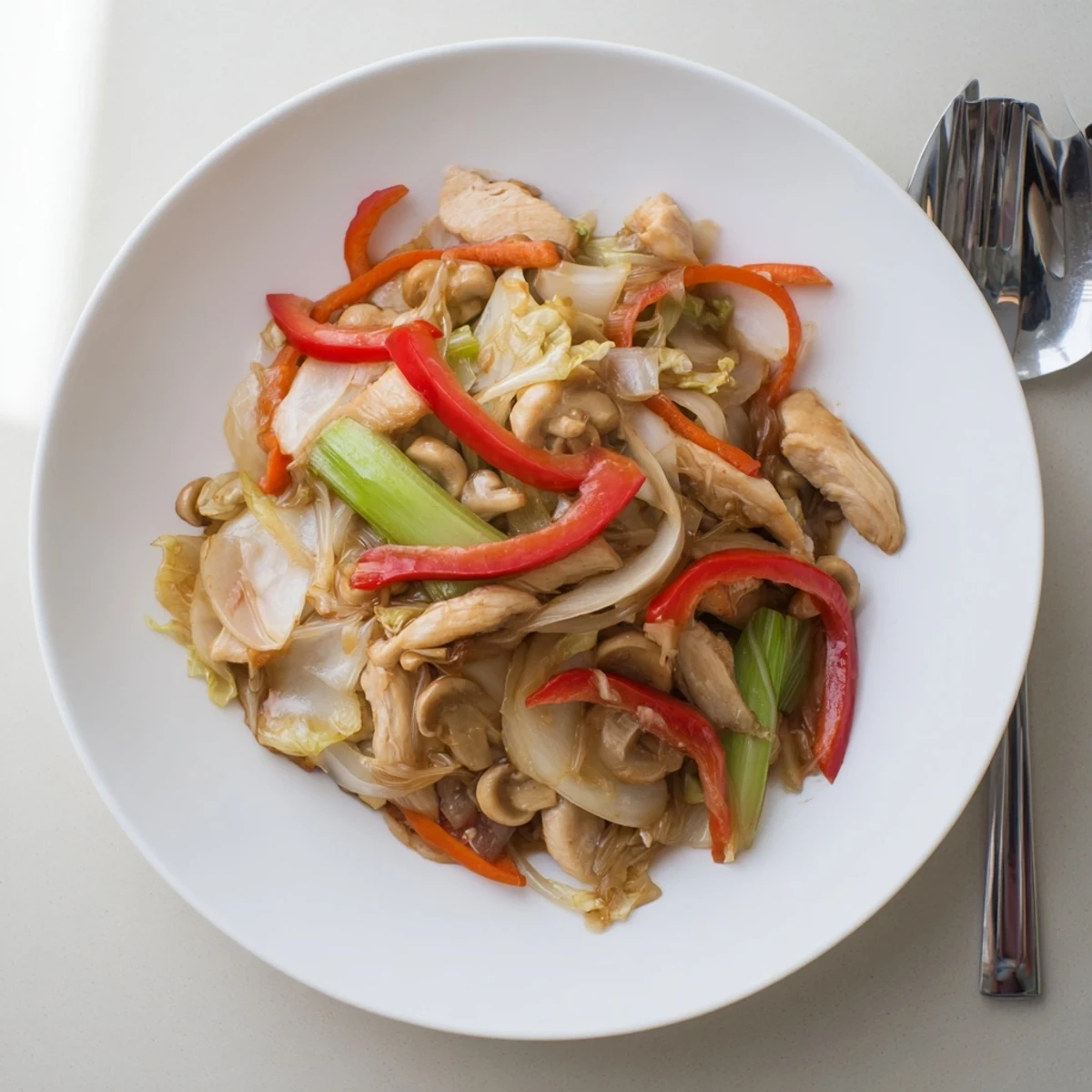
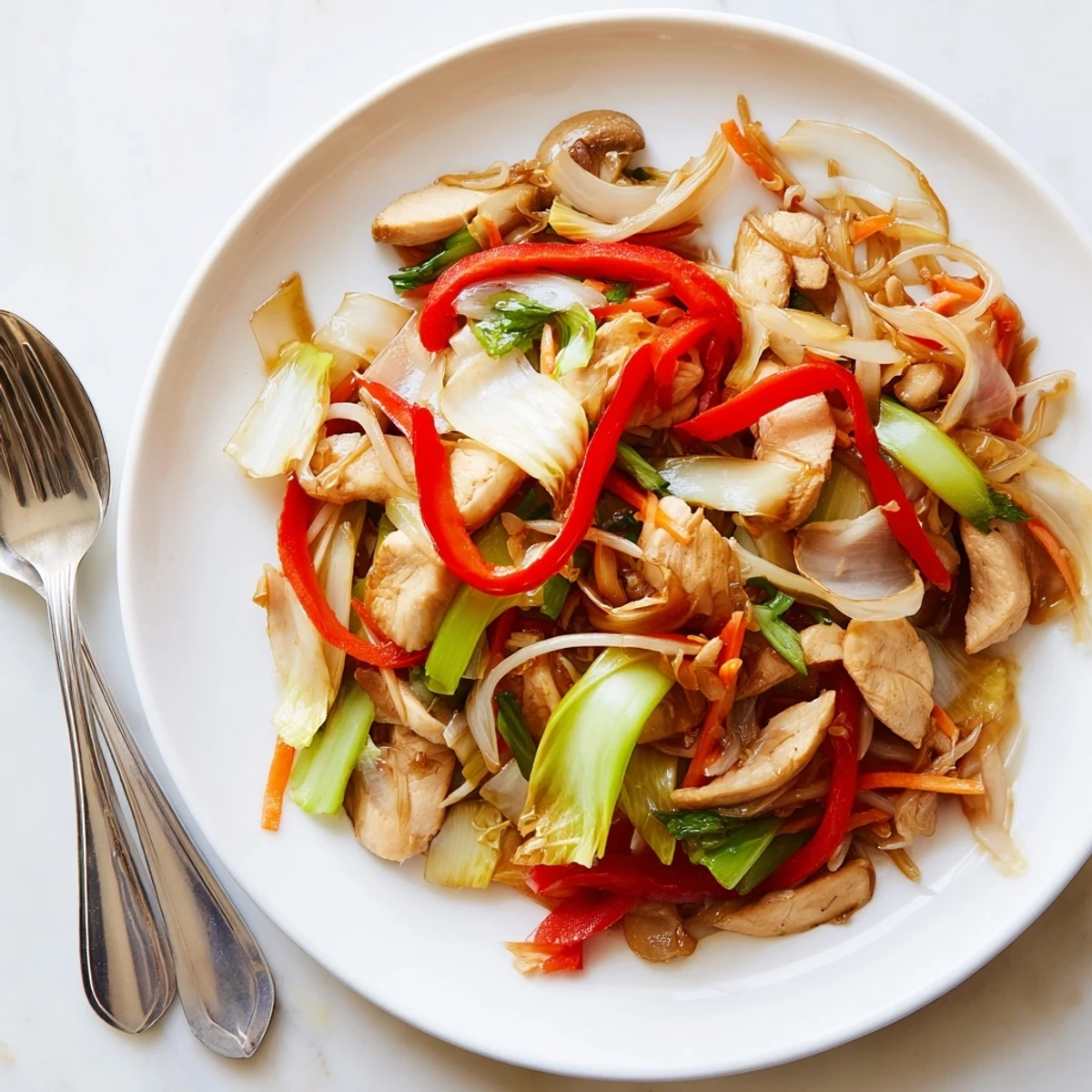
 This Chinese-American classic brings together tender strips of chicken or pork with crisp, colorful vegetables in a glossy savory sauce. The dish comes together quickly—about 20 minutes of prep followed by 15 minutes of active cooking—making it perfect for busy weeknights. Bean sprouts add signature crunch, while the balanced sauce of soy, oyster sauce, and sesame oil delivers authentic umami flavor. Serve over steamed jasmine rice or chow mein noodles for a complete meal that's both satisfying and adaptable to various dietary preferences.
The steam rising from my wok always takes me back to a tiny apartment kitchen where I first learned that high heat and quick movements could create something magical. I remember burning the garlic on my first attempt, filling the entire space with smoke but somehow still creating something my roommate swore was restaurant quality. That mess taught me more about stir fry timing than any cookbook ever could.
Last Tuesday my sister called at 6 PM, stressed and hungry, expecting takeout. Instead I whipped this up in under 20 minutes while she watched in disbelief as vegetables hit the hot oil. She now texts me weekly asking for that dinner again, especially the way the sauce clings to every bite.
Ingredients
- 300 g boneless chicken breast or pork: Thinly slicing against the grain makes every bite tender, and I have found that slightly freezing the meat for 15 minutes makes this so much easier
- 1 medium onion and 1 red bell pepper: These provide the backbone flavor and that beautiful color contrast that makes the dish look like it came from a restaurant kitchen
- 1 cup bean sprouts:Added at the very end so they stay crisp, providing that essential crunch texture that contrasts with the tender meat
- 1 cup napa cabbage:This cooks down quickly and adds sweetness without becoming mushy if you add it after the harder vegetables
- 2 celery stalks and 1 medium carrot:These take longest to cook so they go in first, and cutting them into thin, even pieces ensures everything finishes at the same time
- 100 g mushrooms:Sliced mushrooms release liquid as they cook, which actually helps create more sauce in the final dish
- 2 garlic cloves and 1 teaspoon fresh ginger:Minced as finely as possible because no one wants to bite into a chunk of raw garlic, and these aromatics are what make your kitchen smell amazing
- 3 tablespoons soy sauce and 1 tablespoon oyster sauce:This combination creates that deep, savory flavor that makes Chinese American food so addictive
- 1 tablespoon cornstarch:This is the secret to getting that glossy, restaurant style coating that clings to every single ingredient
- 1 tablespoon rice wine or dry sherry:Adds a subtle depth that balances the salty soy sauce, and if you do not have it, a splash of water works in a pinch
- 1 teaspoon sesame oil:Just a tiny amount adds that unmistakable nutty aroma that tells people this is the real deal
- 150 ml chicken or vegetable broth:Creates the base of your sauce, and homemade broth always tastes better but store bought works perfectly fine
- 2 tablespoons vegetable oil:Needed in two separate additions to prevent overcrowding the pan, which would make everything steam instead of fry
Instructions
- Mix the sauce first:
- Whisk everything together until the cornstarch completely disappears, because trying to fix lumpy sauce later when everything is moving fast in the wok is a nightmare I want to save you from
- Cook the protein:
- Get your oil smoking hot, add the meat in one layer, and resist the urge to touch it for a full minute so it gets that golden brown color instead of turning gray and rubbery
- Wake up the aromatics:
- The garlic and ginger need only 30 seconds in hot oil to release their fragrance without burning, which creates an aroma that will make everyone in the house come ask what is cooking
- Add the hard vegetables:
- Throw in the onions, carrots, celery, and peppers first, listening for that satisfying sizzle that tells you the heat is high enough to get that wok char flavor
- Softer vegetables come next:
- The mushrooms and cabbage only need a couple of minutes, and you will notice the mushrooms shrinking down as they release their moisture into the pan
- Bring everything together:
- Pour in that sauce you made earlier and watch it bubble and thicken into something glossy and gorgeous, coating every single piece in the wok
- The final toss:
- Add the bean sprouts last, stir everything together for just one minute so they stay crunchy, then taste and adjust because every brand of soy sauce has a different salt level
 Pin it
 My dad, who usually survives on toast and tea, actually asked for seconds when I made this for Sunday dinner. Watching him carefully use chopsticks to get every last bite of sauce from his bowl made me realize how good food brings people together in the smallest moments.
Making It Your Own
I have swapped in whatever vegetables are dying in my fridge, from snow peas to broccoli stems, and somehow it always works out. The trick is keeping the pieces roughly the same size so everything cooks evenly.
The Rice Secret
Cold, day old rice works best for any stir fry because the grains separate instead of clumping together. Whenever I make rice, I always cook extra just so I can make stir fry the next night without any extra effort.
Getting That Restaurant Texture
Velvetting the meat by marinating it briefly in cornstarch and soy sauce before cooking makes it incredibly tender and gives it that slippery, restaurant style texture. It takes literally two extra minutes but completely changes the end result.
- Pat your meat completely dry before slicing to get better browning
- Let your wok get properly hot before adding any ingredients
- Finish with fresh scallions if you have them for a bright pop of color
 Pin it
 There is something deeply satisfying about a home cooked meal that comes together faster than delivery could arrive, tastes infinitely better, and fills your whole home with the kind of warmth that fast food can never provide.
Common Recipe Questions
- → What makes Chop Suey different from other stir-fries?
-
Chop Suey specifically features bean sprouts and a thicker, glossier sauce compared to lo mein or chow mein. The vegetables are typically cut into similar-sized pieces for even cooking, and the dish always includes a protein source. Its defining characteristic is the balance of tender meat with crisp-tender vegetables in a rich, savory glaze.
- → Can I make this vegetarian?
-
Absolutely. Substitute the chicken or pork with firm tofu, pressed and cubed. Replace oyster sauce with mushroom-based vegetarian oyster sauce or additional soy sauce. The texture and flavor profile remain excellent while making it completely plant-based and dairy-free.
- → What vegetables work best in Chop Suey?
-
Traditional options include bean sprouts for crunch, napa cabbage for sweetness, bell peppers for color, and celery for texture. You can also add water chestnuts, bamboo shoots, or snap peas. The key is using vegetables that maintain some crispness when cooked quickly over high heat.
- → How do I prevent the sauce from becoming too thick?
-
The cornstarch in the sauce will thicken as it heats. If it becomes too thick, simply add a splash of warm broth or water to reach your desired consistency. Remember that the sauce will continue to thicken slightly as it cools, so aim for a slightly looser texture than your final preference.
- → Can I prepare Chop Suey in advance?
-
You can slice all vegetables and mix the sauce up to 24 hours ahead, storing them separately in the refrigerator. For best results, cook everything just before serving—the vegetables retain their crisp texture and the sauce maintains its glossy finish. Leftovers reheat well in the microwave or a quick stir-fry.
- → What's the best way to slice the meat for stir-frying?
-
Partial freezing the meat for 20-30 minutes makes it easier to slice thinly and evenly. Cut against the grain into strips about ¼-inch thick. Thinner slices cook faster and absorb more flavor from the sauce, while still remaining tender after quick cooking.