
 Pin it
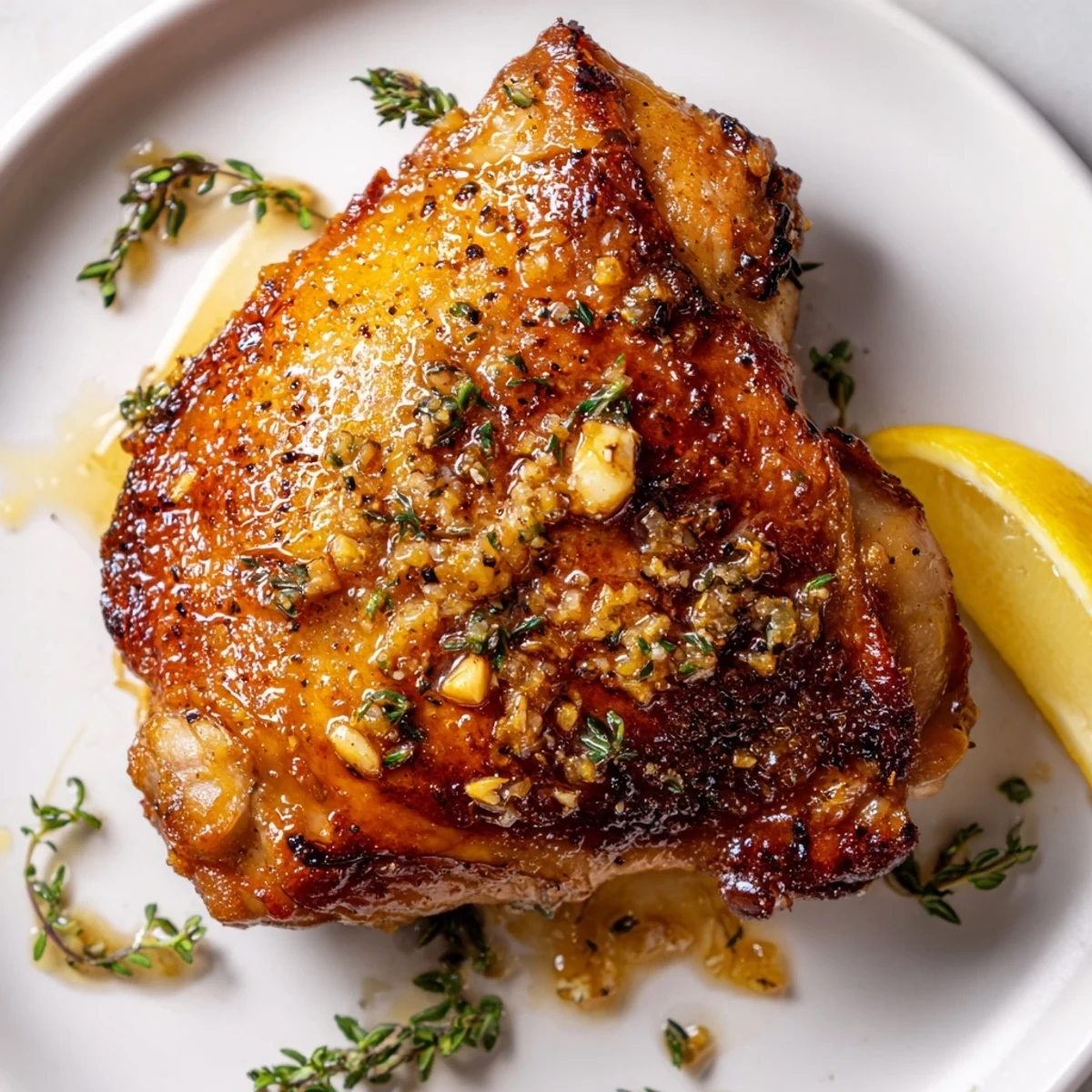
 Bone-in, skin-on chicken thighs are tossed in olive oil, lemon juice and zest, minced garlic, thyme, honey and plenty of freshly cracked black pepper. After a short marinate to infuse bright citrus and savory notes, roast at 425°F (220°C) until the skin is deeply golden and the internal temperature reaches 165°F (74°C). Let rest 5 minutes, then garnish with parsley and lemon wedges; serve alongside roasted potatoes or a crisp green salad.
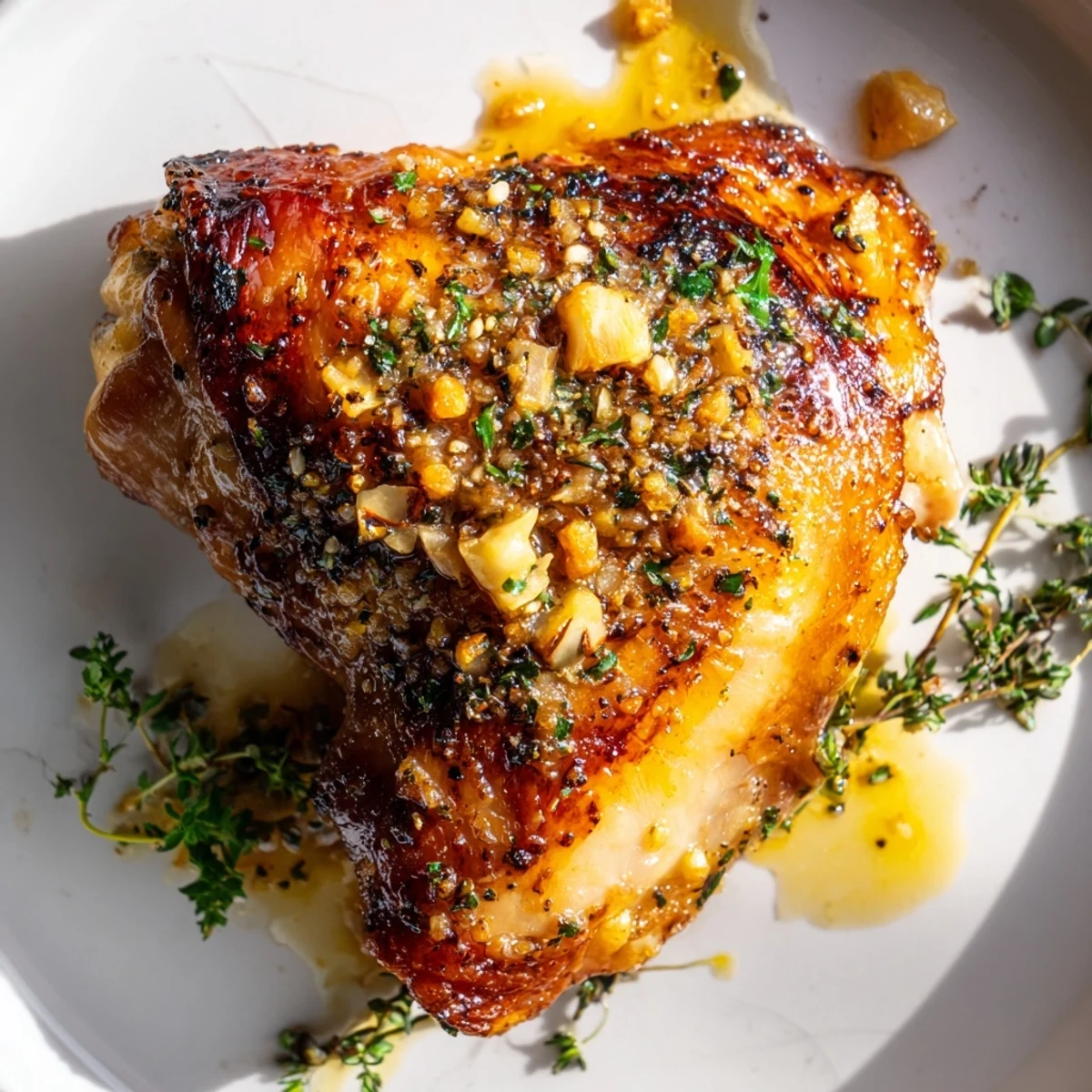
The smell of lemon zest hitting a hot roasting pan is one of those small kitchen thrills that never gets old, and these chicken thighs deliver it in full force. My sister walked in one Tuesday evening, took one breath, and announced she was staying for dinner without even asking. The crackle of peppered skin and the waft of garlic and citrus had clearly already made the decision for her.
I have made this on nights when the fridge was nearly bare and the motivation to cook was hovering around a two out of ten. Somehow, pulling a tray of glistening, bronzed chicken from the oven makes you feel like you really showed up for yourself. My roommate used to call it the Tuesday night miracle, and honestly the nickname stuck.
Ingredients
- 8 bone in skin on chicken thighs: The bone keeps the meat juicy while the skin renders into something magical in the oven, so do not even think about trimming it off.
- 2 tablespoons olive oil: This carries the marinade flavors and helps the skin crisp up beautifully during roasting.
- Juice and zest of 2 lemons: The zest is where the aromatic oils live, so press firmly and grate only the yellow layer, avoiding the bitter white pith underneath.
- 1 tablespoon freshly ground black pepper: Pre ground pepper tastes flat and dusty by comparison, so crack it fresh and go a little coarser than you think you need.
- 1 teaspoon sea salt: This is the minimum for eight thighs, and you can be a bit more generous if your lemons are particularly tart.
- 4 garlic cloves, minced: Smash them with the flat side of your knife before mincing to release more of those warm, pungent oils.
- 1 teaspoon dried thyme or 1 tablespoon fresh thyme, chopped: Thyme and lemon are old friends, and either version works, though fresh thyme adds a subtle floral note.
- 1 teaspoon honey (optional): Just a touch of sweetness balances the acid and helps the skin caramelize into a deep amber color.
- Fresh parsley, chopped: A bright finishing garnish that adds a pop of green and a mild herbaceous freshness.
- Lemon wedges: Serve alongside so everyone can squeeze extra juice over their plate at the table.
Instructions
- Get the oven screaming hot:
- Preheat your oven to 425 degrees F and line a baking sheet with parchment paper so the chicken lifts off cleanly after roasting.
- Build the marinade:
- Whisk the olive oil, lemon juice, lemon zest, black pepper, salt, garlic, thyme, and honey together in a large bowl until the mixture looks glossy and fragrant.
- Coat the chicken:
- Toss the chicken thighs into the bowl and turn them thoroughly, making sure every piece is slicked with marinade, especially under the skin where the flavor really penetrates.
- Let it rest and soak:
- Give the chicken at least ten minutes to sit in the marinade, though an hour in the fridge rewards you with noticeably deeper flavor throughout the meat.
- Arrange for maximum crispness:
- Lay the thighs skin side up on the prepared baking sheet with a little space between each one, then pour every last drop of remaining marinade over the top.
- Roast until golden:
- Slide the tray into the oven and roast for about thirty five minutes until the skin is deeply bronzed and an instant read thermometer shows 165 degrees F at the thickest part.
- Rest before serving:
- Pull the tray out and let the chicken rest for five minutes so the juices redistribute instead of running out onto the plate.
- Finish with flair:
- Scatter chopped parsley over the tray and serve with lemon wedges pressed alongside, letting everyone add their own final squeeze of brightness.
 Pin it
 There was a Sunday when I made a double batch for a small backyard gathering and watched people hover near the kitchen door waiting for the tray to emerge. Something about the combination of crackling pepper and warm citrus just pulls people in before they even realize they are hungry.
Great Pairings for the Plate
These thighs play well with almost anything, but roasted potatoes tossed in the same marinade are an effortless win. A pile of simply steamed green beans or a crisp arugula salad with shaved parmesan rounds things out without competing for attention. Pour a glass of Sauvignon Blanc or crack open a cold lager and the meal feels complete.
Swaps and Shortcuts
Chicken drumsticks work beautifully with this same method and tend to cook a few minutes faster. Bone in breasts are also an option, though you will want to check for doneness a bit earlier since they dry out more easily. A pinch of chili flakes in the marinade adds a gentle heat that some people absolutely love.
Getting Ahead
You can toss the chicken in the marinade the night before and let it soak in the fridge until dinner time rolls around. The flavors deepen significantly with a longer rest, making a busy weeknight feel almost effortless. Just remember these last few things before you start cooking.
- Pull the chicken out of the fridge about twenty minutes before roasting so it cooks more evenly.
- Double check your parchment paper is properly covering the tray edges or you will be scrubbing baked on residue later.
- Taste the marinade before adding the chicken and adjust salt or lemon to your preference.
 Pin it
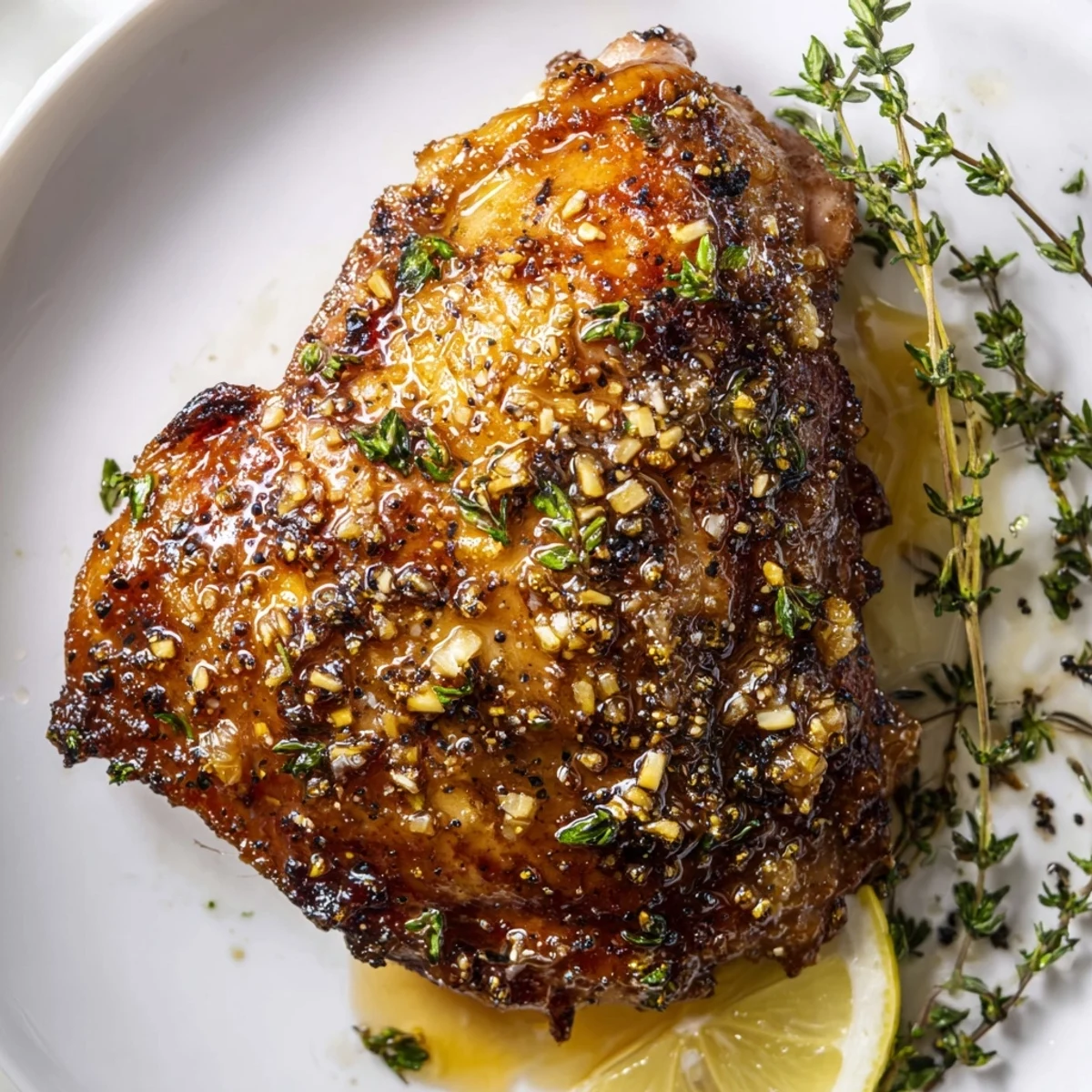
 Keep this recipe close because it will rescue more weeknights than you can count, and the leftovers make an incredible next day sandwich. Few dishes reward so little effort with this much satisfaction.
Common Recipe Questions
- → How long should I marinate the thighs?
-
Briefly marinate for 10 minutes for immediate cooking, or up to 1 hour for deeper citrus and pepper flavor. Avoid much longer for a firmer texture from the acid.
- → Can I use boneless thighs or breasts instead?
-
Yes. Boneless thighs cook faster—check earlier for doneness. Breasts work but require careful timing to avoid drying; reduce roasting time and monitor internal temperature.
- → How do I get extra-crispy skin?
-
Pat skin dry before seasoning, roast skin-side up on a lined baking sheet without overcrowding, and use a high initial temperature (425°F/220°C) so fat renders and skin browns evenly.
- → What internal temperature indicates doneness?
-
Cook until the thickest part reaches 165°F (74°C). Use a probe thermometer to check without touching bone; then rest 5 minutes to let juices redistribute.
- → Any good substitutions for thyme or honey?
-
Substitute rosemary or oregano for thyme. Omit honey for a purely savory profile or swap with a small splash of maple or agave for a different sweet note.
- → What sides and drinks pair well?
-
Serve with roasted potatoes, steamed vegetables, or a green salad. A crisp Sauvignon Blanc or a light lager complements the bright lemon and pepper flavors.