
 Pin it
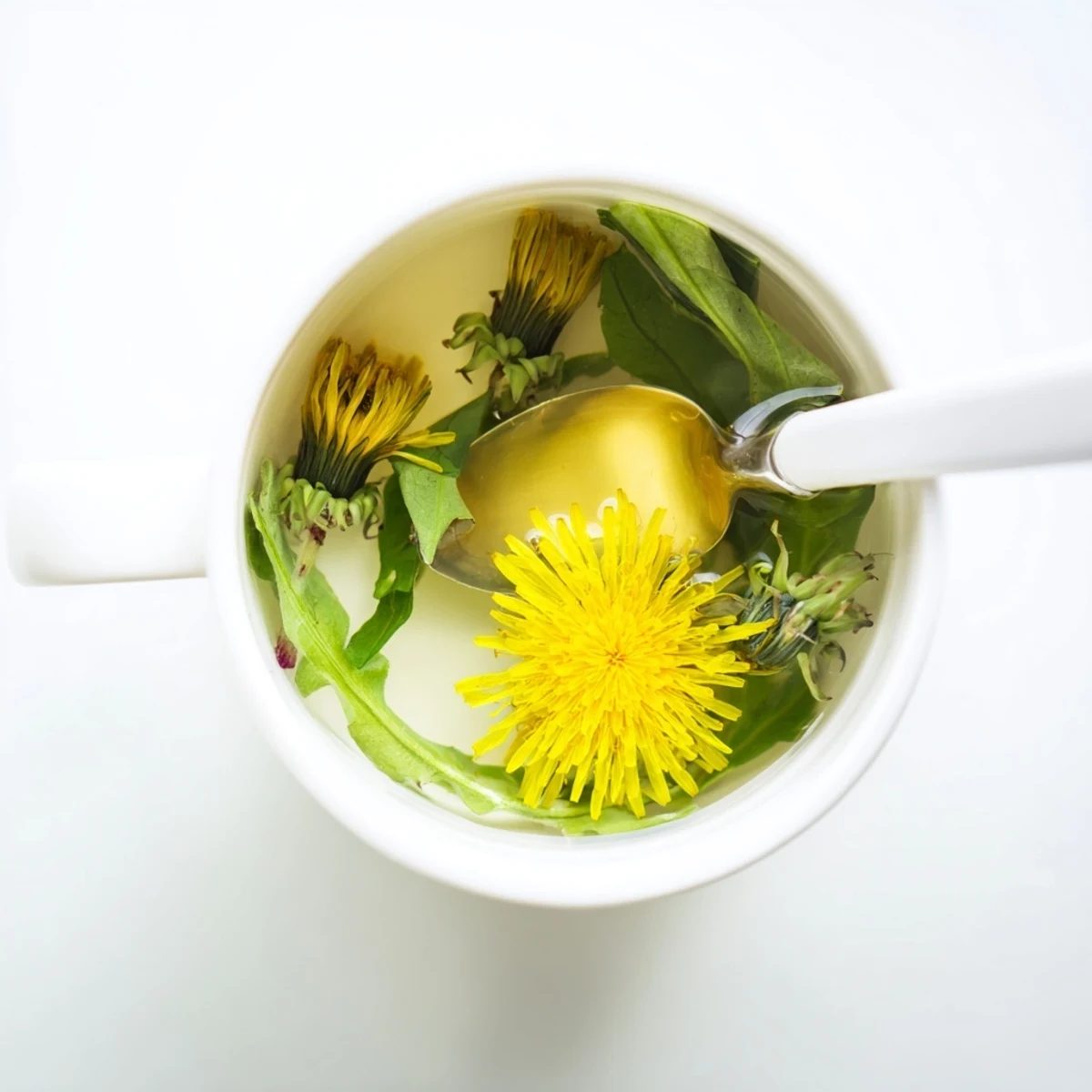
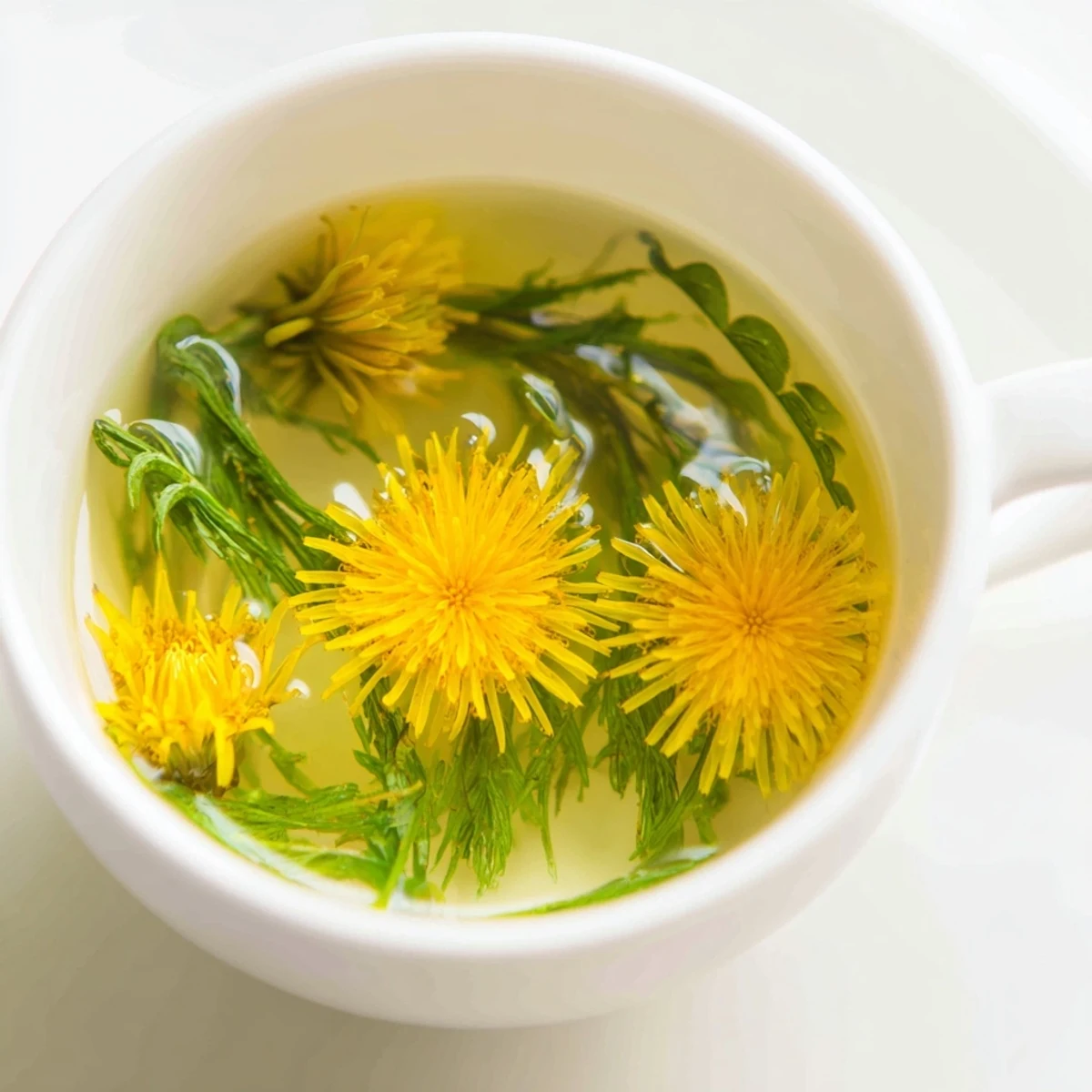
 This traditional herbal infusion harnesses the natural benefits of dandelion flowers and leaves to create a gentle, detoxifying beverage. The preparation involves carefully cleaned dandelion petals steeped in hot water for 8-10 minutes, releasing earthy flavors and beneficial compounds. Optional honey or lemon can be added to balance the naturally mild bitterness. The resulting tea offers a warming, soothing experience that pairs well with quiet moments of reflection or as part of a wellness routine.
The first time I tried dandelion tea, I was honestly skeptical. We'd just moved into our first apartment, and my neighbor showed me these bright yellow flowers she'd gathered from her yard. She insisted I try a cup, and that earthy, gentle bitterness completely surprised me with how grounding it felt. Now I keep a jar of dried petals in the pantry year-round.
Last spring, my friend came over feeling completely overwhelmed by work deadlines. I made her a mug with honey and lemon, and we sat on the back porch watching the very flowers we were drinking sway in the breeze. She left asking for a bag of dried petals to take home, and I realized I'd officially become the person who pushes weed tea on people. Honestly, I'm okay with that.
Ingredients
- Dandelion petals and leaves: Fresh gives you a bright, spring-like flavor while dried produces a slightly more concentrated earthiness
- Filtered water: Clean water matters here since there are so few ingredients
- Honey or maple syrup: Just a touch balances the natural bitterness beautifully
- Fresh lemon: Adds brightness and helps extract beneficial compounds from the flowers
Instructions
- Clean your harvest:
- Give those petals and leaves a thorough rinse under cold water to remove any tiny passengers or garden grit
- Heat your water:
- Bring 2 cups of filtered water to a gentle boil in your kettle or small saucepan
- Combine and steep:
- Place the dandelions in your teapot, pour the hot water over them, and cover immediately
- Wait patiently:
- Let it steep for at least 8 minutes, though 10 gives you a fuller, rounder flavor
- Strain and serve:
- Pour through a fine mesh strainer into your favorite mug and add honey or lemon if you like
 Pin it
 My grandmother used to make this for us when we complained about stomachaches, claiming it was nature's medicine. I rolled my eyes back then, but now I find myself reaching for the same yellow flowers she carefully dried on paper towels. Funny how wisdom eventually catches up to you, usually when you least expect it.
Harvesting With Care
The best time to gather dandelions is mid-morning after the dew has dried but before the sun gets too intense. I learned this after a damp morning harvest that resulted in moldy drying petals and a very sad tea experiment. Choose flowers from areas you know are safe, away from roadsides and treated lawns, and bring scissors to snip rather than pull.
Drying For Later
Spread your cleaned petals and leaves in a single layer on a clean paper towel or drying screen, checking daily until they're completely crisp to the touch. Store in a glass jar away from direct sunlight, and they'll keep for months. There's something deeply satisfying about seeing those bright yellow bits preserved and ready whenever you need them.
Serving Suggestions
This tea is lovely on its own, but I've discovered a few ways to make it feel extra special. A sprig of fresh mint from the garden adds a lovely contrast, while a cinnamon stick creates a warming version perfect for cool evenings.
- Try it iced with a splash of apple cider vinegar on hot days
- Blend with chamomile for a more complex herbal experience
- Add a dollop of coconut oil for a creamy, velvety texture
 Pin it
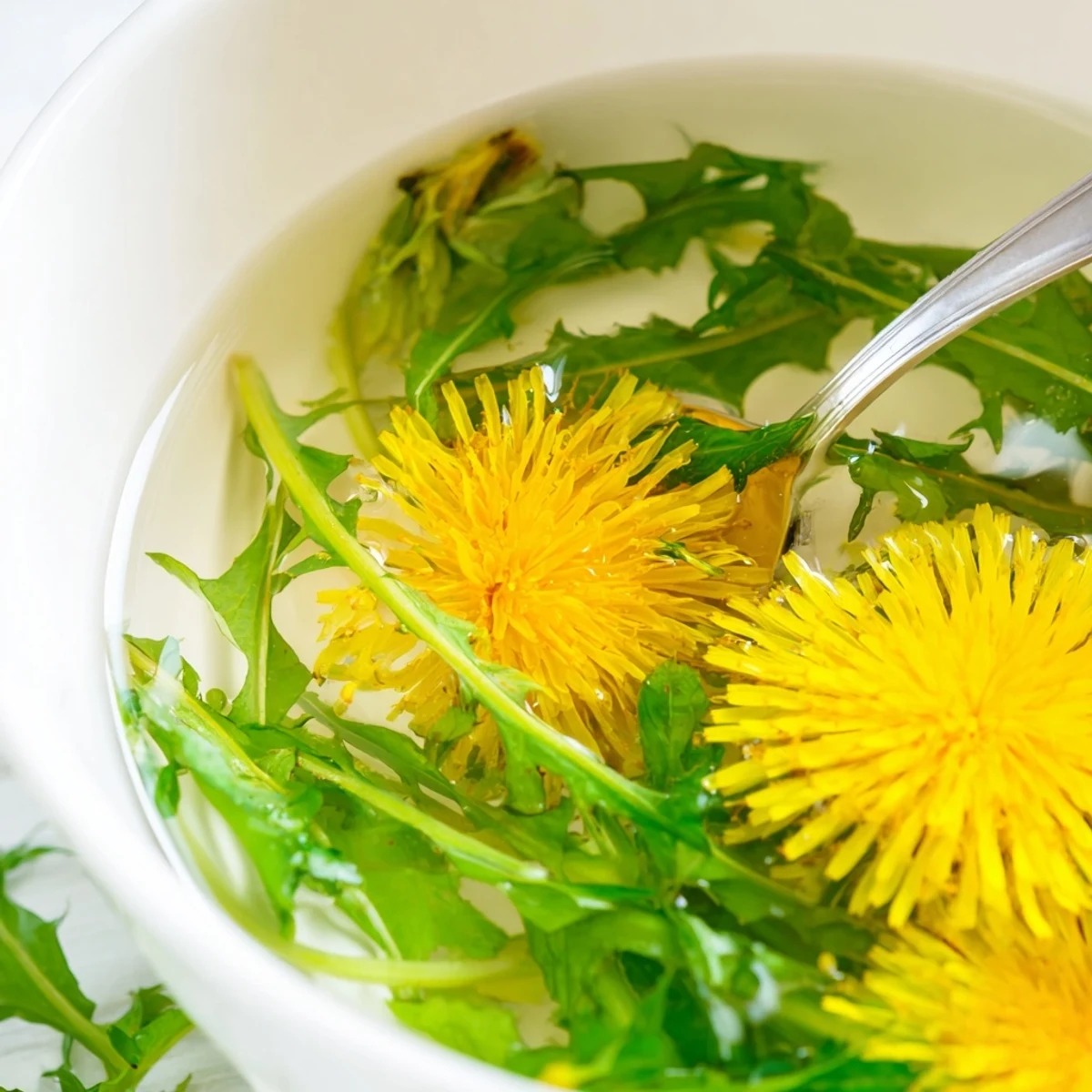
 There's something deeply grounding about drinking something that grows freely right under our feet, usually dismissed as a nuisance. This simple tea reminds me that nature provides in unexpected ways, if we're willing to look.
Common Recipe Questions
- → What does dandelion tea taste like?
-
Dandelion tea has a mild, earthy flavor with subtle floral notes. The taste is naturally slightly bitter but refreshing, similar to mild green tea with grassy undertones. Adding honey or lemon can help balance the bitterness and add brightness.
- → Can I use store-bought dried dandelions?
-
Yes, dried dandelion leaves and petals work perfectly for this infusion. Use approximately 2 tablespoons of dried material to replace the 2 cups of fresh dandelions. The steeping time remains the same.
- → What are the benefits of drinking dandelion tea?
-
Dandelion tea is traditionally valued for its digestive support and natural diuretic properties. The leaves contain vitamins A, C, and K, along with minerals like potassium and calcium. Many people find it soothing after meals or as part of a gentle detox regimen.
- → How do I safely harvest dandelions for tea?
-
Always harvest dandelions from areas free of pesticides, herbicides, and animal waste. Avoid picking near roadsides or treated lawns. Choose bright yellow flowers and tender young leaves. Rinse thoroughly under cold running water to remove dirt and small insects before use.
- → Can I drink dandelion tea every day?
-
Most people can enjoy dandelion tea daily in moderation. However, if you have allergies to plants in the daisy family, are pregnant, nursing, or taking medications, consult a healthcare provider first. Start with one cup per day to see how your body responds.
- → How should I store fresh dandelions before making tea?
-
Freshly harvested dandelions should be used as soon as possible for the best flavor. If you need to store them, wrap unwashed dandelions in a damp paper towel and place them in a plastic bag in the refrigerator. They typically stay fresh for 1-2 days.