
 Pin it
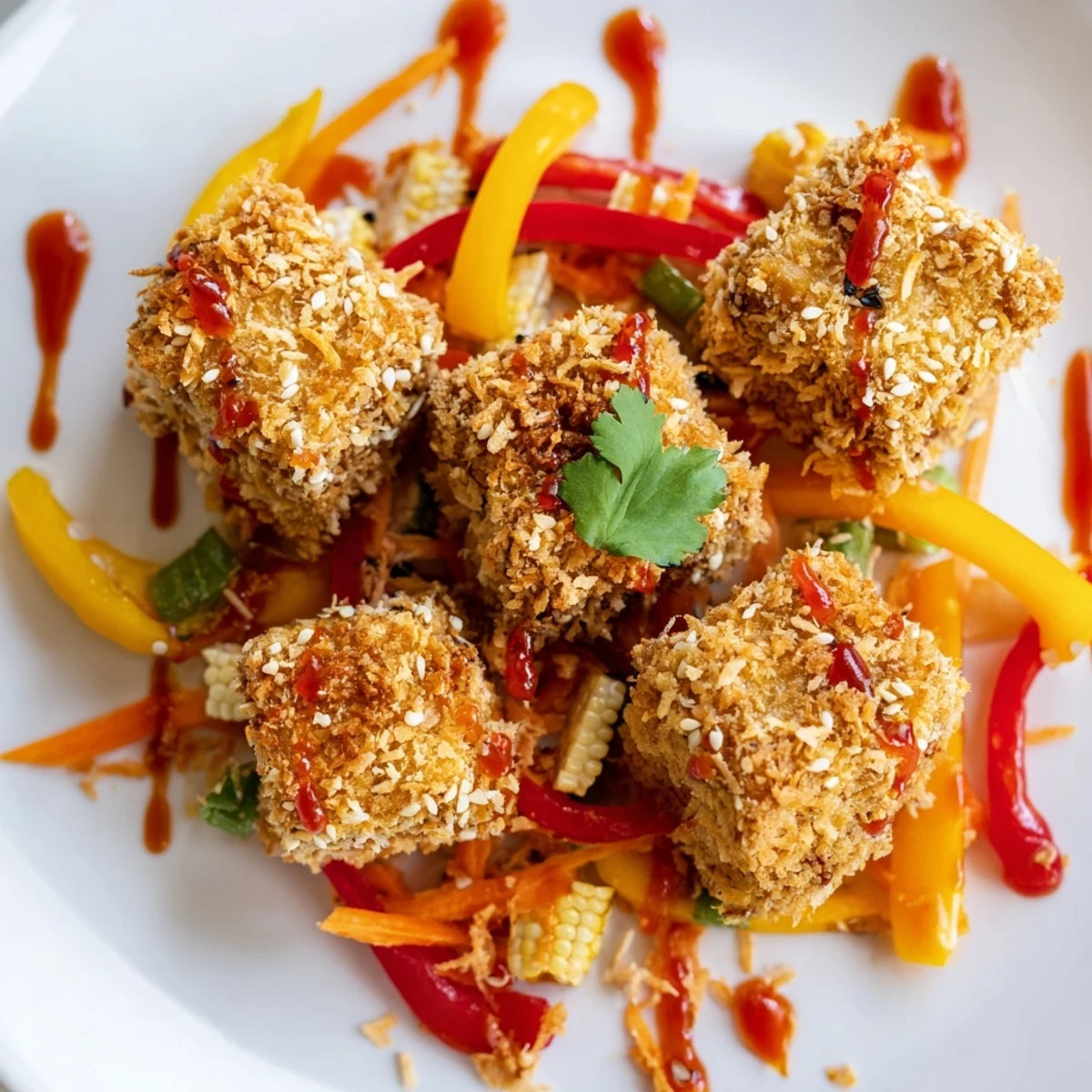
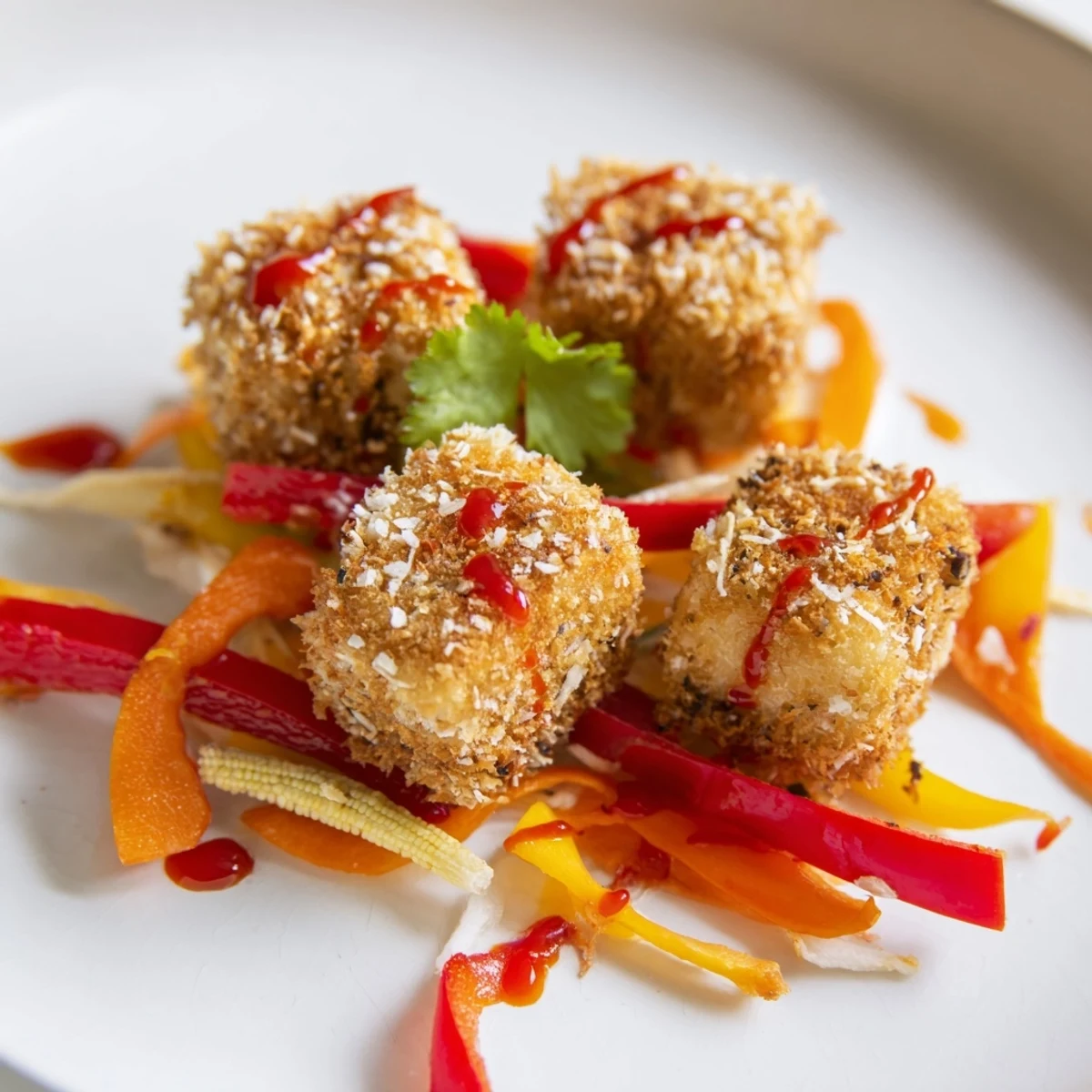
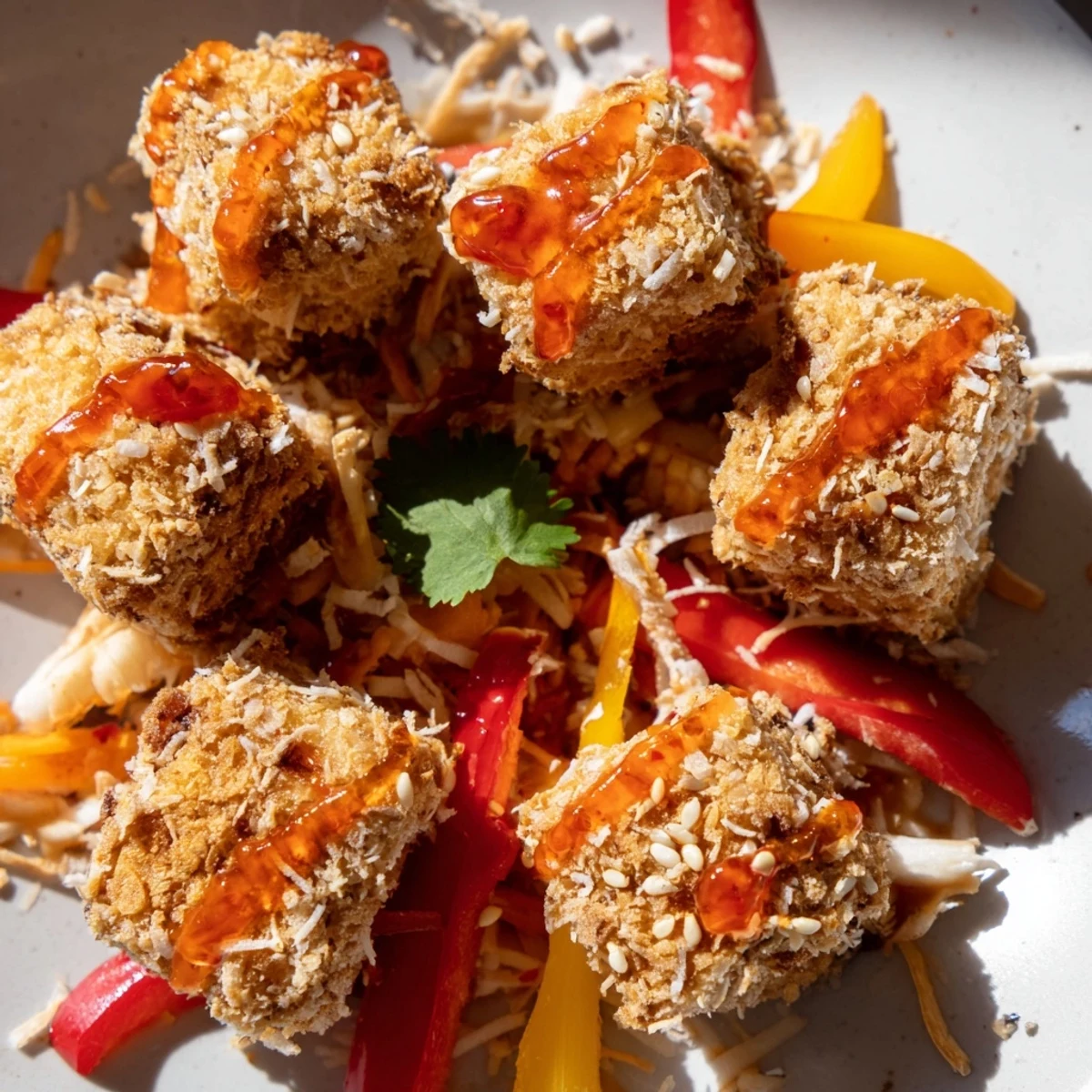
 This dish features firm tofu cubes crusted with shredded coconut and panko breadcrumbs, baked until golden and crispy. The tofu is served atop stir-fried bell peppers, carrots, sugar snap peas, and baby corn, all tossed in soy sauce and toasted sesame oil with fresh ginger and garlic. Finished with a drizzle of sweet chili sauce and a sprinkle of sesame seeds, it offers a satisfying plant-based main bursting with texture and flavor. Optional herbs and rice complement the vibrant plate, making it a wholesome, colorful meal.
The first time I made crispy coconut tofu, I wasn't expecting it to become a weeknight staple. I'd pressed the tofu that morning, more out of curiosity than confidence, and when I pulled those golden, crunchy cubes from the oven, the kitchen filled with this warm, nutty aroma that made everyone pause mid-conversation. That's when I realized this wasn't just another plant-based swap—it was genuinely delicious, the kind of dish that doesn't apologize for being vegan.
I made this for my roommate on a random Tuesday when she'd had a rough day, and watching her face light up at that first bite reminded me why I love cooking plant-based food. She actually asked for seconds, which never happens, and then she asked for the recipe—that's always the real compliment.
Ingredients
- Firm tofu (400 g): Press it well beforehand; the drier it is, the crispier the coating will be, and it'll actually absorb the coconut milk coating instead of sliding off.
- Unsweetened coconut milk (60 ml): This is your adhesive—it helps the coating stick without making the tofu soggy, so don't skip it or substitute it with water.
- Cornstarch: It's the secret to that satisfying crunch and helps everything adhere better than flour alone.
- Unsweetened shredded coconut (80 g): Toast it briefly in a dry pan first if you want deeper, nuttier flavor, though it's not required.
- Panko breadcrumbs (60 g): Panko stays crunchier than regular breadcrumbs during baking, which is exactly what you want here.
- Neutral oil: Use something with a high smoke point; canola or sunflower work perfectly and won't overpower the coconut.
- Bell peppers, carrots, snap peas: Cut them all to similar sizes so they cook evenly and don't leave you with raw carrots while peppers are mushy.
- Sesame oil (1 tbsp): This goes in the vegetables, not the tofu—it has a lower smoke point but adds incredible flavor at the end.
- Fresh ginger and garlic: Mince or grate them fine; bigger pieces won't disperse their flavor properly and you'll bite into chunks.
- Sweet chili sauce: Drizzle it on just before serving so it doesn't get absorbed into everything and lose its sweetness.
Instructions
- Press Your Tofu Like You Mean It:
- Wrap the block in a clean kitchen towel and set something heavy on top—a cast iron pan, some cans, whatever you have. Leave it for 15–20 minutes while you prep everything else. The more water you get out, the better the coating will adhere and the crispier the final result.
- Set Up Your Coating Station:
- You'll want three bowls in a line: one with the coconut milk mixture, one with the dry coating, and one empty for your hands. This assembly-line approach keeps things clean and makes the process feel almost meditative.
- Coat Each Cube Carefully:
- Dip tofu into the coconut milk mixture first, then roll it in the coconut-panko blend, pressing gently so the coating actually sticks instead of just sitting on top. Don't worry if some spots look bare—they'll puff up in the oven.
- Bake with a Halfway Flip:
- Arrange the tofu on a lined baking sheet in a single layer. Drizzle lightly with oil and bake at 200°C for 10 minutes, then flip each cube and bake another 10 minutes until the coating is deep golden and crispy on all sides.
- Start Your Vegetables While Tofu Bakes:
- Heat sesame oil in a large skillet over medium-high heat, add ginger and garlic, and listen for that immediate sizzle—it means your pan is hot enough. Toss in your firmer vegetables first (peppers and carrots) and let them cook for 2–3 minutes before adding the snap peas and baby corn.
- Finish Strong:
- Add soy sauce and spring onions in the final minute, tossing everything together. The vegetables should still have a slight crunch; overcooked stir-fry loses its whole appeal.
- Plate with Purpose:
- Build your bowl with vegetables as the base, top with crispy tofu, drizzle with sweet chili sauce, scatter sesame seeds across, and finish with fresh herbs if you have them. This isn't just plating—it's the moment your work becomes something beautiful.
 Pin it
 There's something special about the moment when a plant-based dish stops being about what's missing and becomes about what's actually there. For me, that shift happened the first time I served this to someone who didn't expect to like it, and they came back for more without a second thought.
Why This Coconut Coating Works
The real magic happens when you combine cornstarch with shredded coconut and panko—each ingredient does something different. Cornstarch provides structure and helps trap moisture, panko gives you that distinctive crunch that sticks around, and coconut adds both flavor and texture that actually belongs in a stir-fry dish instead of feeling like a gimmick. I learned this through trial and error, mostly error, but once I understood that each component mattered, the whole thing clicked into place.
Vegetable Variations That Work
The vegetables I've listed are a solid foundation, but I've swapped them around depending on what's in season or what I'm craving. Broccoli works beautifully, mushrooms get wonderfully caramelized, zucchini adds a subtle sweetness, and even leafy greens like bok choy or spinach can go in at the very end when everything else is cooked. The only rule I follow is cutting everything to similar sizes and adding tougher vegetables first so nothing ends up undercooked or mushy.
- Frozen vegetables work just as well as fresh and often cook more evenly since they're already partially softened.
- If you're using vegetables with high water content like zucchini, don't add them until the very end or they'll release moisture and make everything steam instead of stir-fry.
- Taste as you go and adjust soy sauce and sesame oil to your preference because every stir-fry is slightly different depending on what you used.
Serving Ideas That Make It Feel Complete
I usually serve this over jasmine rice because its delicate flavor doesn't compete with the tofu, but basmati, brown rice, or even cauliflower rice work depending on what you're in the mood for. The sweet chili sauce is essential—it ties everything together and adds a brightness that makes you want another forkful. Some nights I add a side of quick cucumber salad or steamed edamame, and suddenly it feels like a full meal at a restaurant, except it's on my table and cost half as much.
 Pin it
 This dish has become something I make when I want to feel like I cooked something impressive without spending hours in the kitchen. It's proof that plant-based cooking doesn't have to be complicated or feel like a compromise.
Common Recipe Questions
- → How do I get the tofu extra crispy?
-
Press the tofu firmly to remove excess moisture, then coat evenly in the coconut and panko mixture before baking or air-frying at 200°C for best crispiness.
- → Can I use different vegetables for the stir fry?
-
Yes, feel free to swap bell peppers and carrots for broccoli, mushrooms, or zucchini to customize the vegetable medley.
- → What oil works best for stir-frying the veggies?
-
Toasted sesame oil adds a rich, nutty flavor, but neutral oils like canola or sunflower also work well.
- → Is it important to marinate the tofu before coating?
-
Whisking tofu in a coconut milk and soy sauce mixture helps the crust adhere and adds subtle flavor, enhancing the final texture.
- → How can I make this dish gluten-free?
-
Use gluten-free panko breadcrumbs and ensure the soy sauce is tamari or certified gluten-free to avoid gluten.