
 Pin it
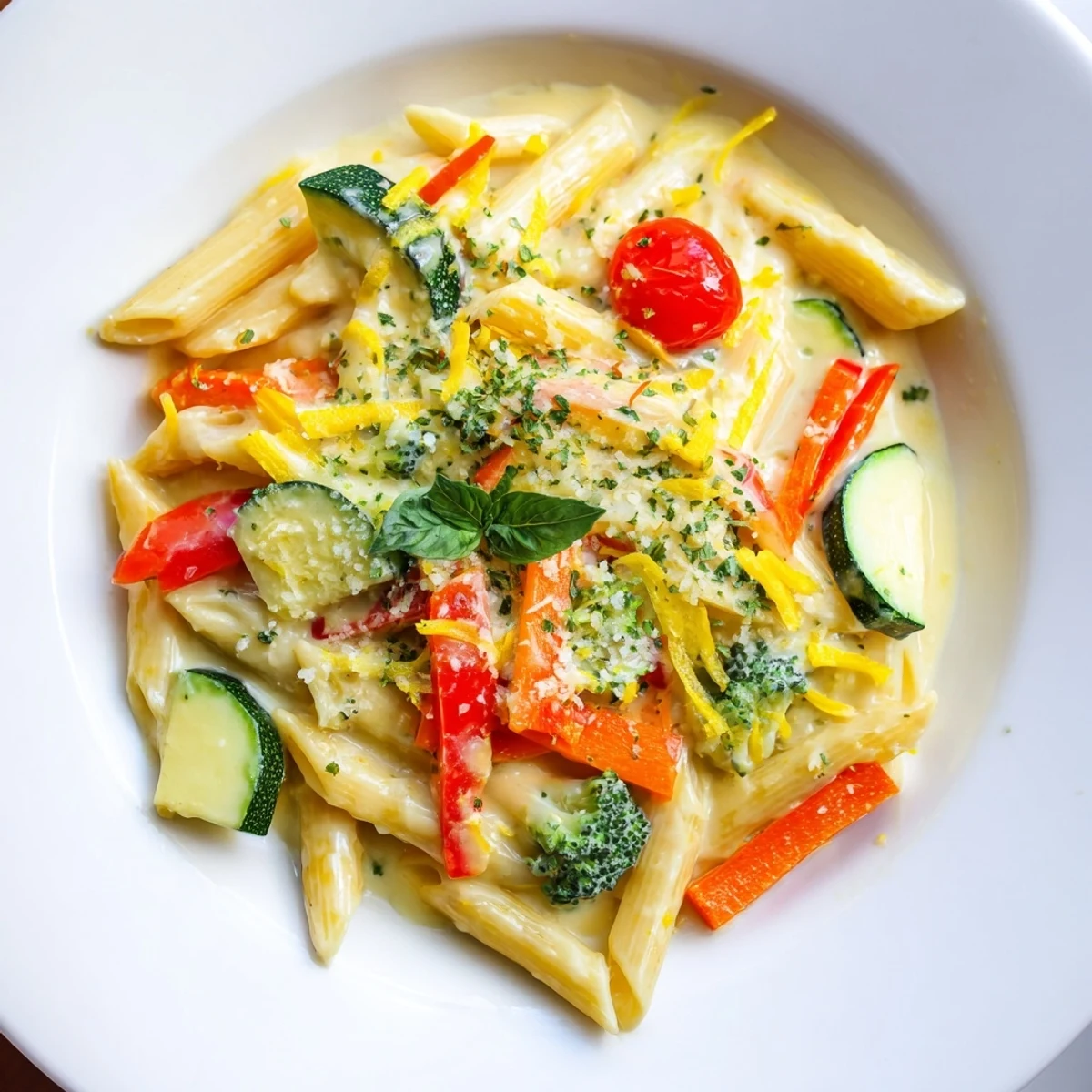
 This dish combines al dente pasta with a colorful medley of sautéed vegetables like zucchini, bell peppers, and broccoli. Tossed in a rich, velvety cream sauce infused with garlic, lemon zest, and Parmesan, it offers a comforting yet vibrant dining experience perfect for any season.
I discovered this pasta on a late April afternoon when my farmers market haul suddenly demanded a decision. Standing in my kitchen with an armful of spring vegetables and only the vaguest dinner plan, I reached for cream and butter almost on instinct, then tossed it all together with hot pasta and lemon zest. The result was so naturally bright and silky that I made it again the next week—and honestly haven't stopped since.
I made this for my sister one Tuesday when she was visiting and mentioned craving something that felt spring-like. Watching her take that first forkful and then immediately go back for seconds—without even looking up—told me everything. Now it's become our standing tradition whenever she's in town, which means I've perfected the timing down to the second.
Ingredients
- Penne or fettuccine, 350 g (12 oz): I prefer fettuccine because it holds the sauce beautifully, but penne works just as well if that's what you have.
- Zucchini, 1 medium sliced into half-moons: Half-moons cook evenly and look lovely, plus they keep their slight firmness if you don't overcrowd the pan.
- Red bell pepper, 1 julienned: The knife work here takes just a minute and the thin strips absorb the creamy sauce so well it's worth it.
- Cherry tomatoes, 1 cup (150 g) halved: Halving them means they release their juice into the sauce and don't get lost among the pasta.
- Broccoli florets, 1 cup (100 g): Cut them small so they cook quickly and integrate naturally into the dish rather than standing out as separate elements.
- Snap peas, 1 cup (100 g) trimmed: Add these toward the end to keep them snappy; they're what gives you that little textural surprise.
- Carrot, 1 small thinly sliced: Paper-thin slices soften quickly and add natural sweetness that balances the cream.
- Garlic, 2 cloves minced: Don't skip this step even if you're in a hurry—the 30 seconds it takes to bloom the garlic is when the magic starts.
- Olive oil, 2 tbsp: Good quality matters here since it's not being cooked into something, it's part of the foundation flavor.
- Unsalted butter, 2 tbsp: This is what makes the sauce silky; it's not just fat, it's richness.
- Heavy cream, 200 ml (3/4 cup plus 1 tbsp): Room temperature if possible so it doesn't break when it hits the hot pan.
- Grated Parmesan cheese, 60 g (1/2 cup): Grate it fresh if you can; pre-grated has anti-caking agents that change the texture of the sauce.
- Salt and black pepper, to taste: Add these at the end so you're not seasoning something that will become creamier and saltier as it cooks.
- Red pepper flakes, 1/4 tsp optional: Just a whisper of heat wakes up the creamy sweetness without overpowering anything.
- Lemon zest, from 1 lemon: This is the secret—it brightens everything and keeps the dish from feeling heavy despite the cream.
- Fresh basil, 2 tbsp chopped: Tear it by hand rather than chopping if you want to avoid bruising the leaves, though honestly either works.
- Additional Parmesan for serving: Let people add their own at the table; some like it generous, others prefer restraint.
Instructions
- Start the water and pasta:
- Get a large pot of salted water boiling—it should taste like the sea. Once the pasta hits the water, stir it immediately so nothing sticks together, then follow the package time but taste it a minute early because you want it just barely tender, not soft.
- Build the base:
- While pasta cooks, warm olive oil and butter together over medium heat in your largest skillet. When the butter is foaming, add minced garlic and listen for that small sizzle—it should smell incredible within 10 seconds, which is your signal to move forward before it browns.
- Cook the vegetables in stages:
- Carrots and broccoli go in first because they need the most time; give them two minutes. Then add the zucchini, bell pepper, and snap peas and let them soften for three to four minutes—you want them tender but not floppy, still with a little resistance when you bite.
- Finish the vegetables:
- When everything is nearly done, scatter in the cherry tomatoes and give them two minutes to warm and begin releasing their juice into the pan.
- Create the sauce:
- Lower the heat to medium-low and pour in your room-temperature heavy cream, stirring gently as you pour so it blends smoothly. Watch the moment the cream hits the pan—it will lighten everything and become almost translucent as you stir.
- Melt the cheese:
- Add half the Parmesan and stir constantly until it dissolves into the sauce and thickens it just slightly, which usually takes about a minute. You'll feel the sauce go from liquid to silky when the cheese fully incorporates.
- Season and finish:
- Remove from heat and add the lemon zest, red pepper flakes if you're using them, salt, and pepper. Taste before you commit to more seasoning; cream masks salt, so you might need more than you'd expect.
- Combine and serve:
- Add your drained pasta to the skillet and toss gently, adding splashes of reserved pasta water until the sauce coats everything without pooling at the bottom. Top with remaining Parmesan and fresh basil, give it one final toss, and serve immediately while it's still warm.
 Pin it
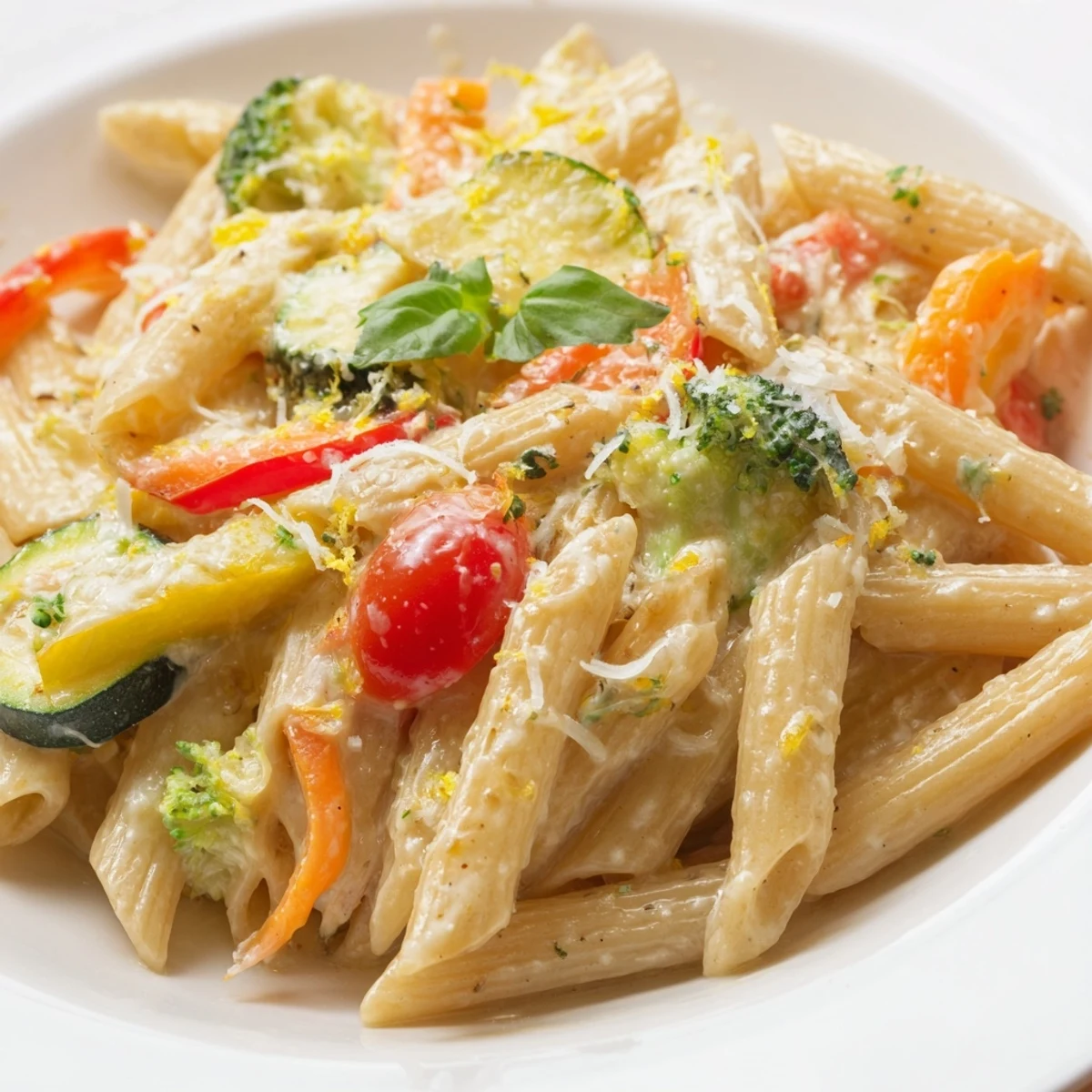
 There's a particular moment when you pour the cream into a pan of bright vegetables and watch it all become this unified, glowing thing—and suddenly you're not just cooking vegetables anymore, you're making something that feels intentional and special. That's the moment I knew this recipe would stay in rotation.
Why Spring Vegetables Matter Here
The beauty of this dish is that it celebrates the vegetables rather than hiding them under a heavy blanket of sauce. Spring vegetables—zucchini, snap peas, fresh carrots—have a natural sweetness and tenderness that wouldn't survive a long braise. By sautéing them quickly and then finishing them gently in cream, they stay bright and maintain their character. It's the opposite of smothering; it's more like giving them a luxurious cushion to rest on.
The Lemon Zest Moment
I learned the importance of lemon the hard way by making this dish without it once and feeling like something was missing. The cream-based sauce is naturally rich, and while that's wonderful, it can tip toward feeling almost cloying if you're not careful. The moment you add that lemon zest, the entire dish wakes up—you don't taste lemon explicitly, you just taste clarity.
How to Make It Your Own
The vegetable combination I've given you is my favorite springtime version, but the formula is flexible enough that you can build it around what's actually available and affordable. Asparagus, peas, mushrooms, and even tender green beans all work beautifully. The key is using vegetables that cook quickly at roughly the same pace, so nothing gets left behind or overdone.
- Substitute seasonal vegetables freely, just maintain the total volume of vegetables so the ratio of pasta to vegetables stays balanced.
- If you find the sauce too rich for your taste, use half heavy cream and half whole milk, or reach for crème fraîche instead.
- Fresh herbs like parsley or chives work beautifully in place of basil if that's what you have on hand.
 Pin it
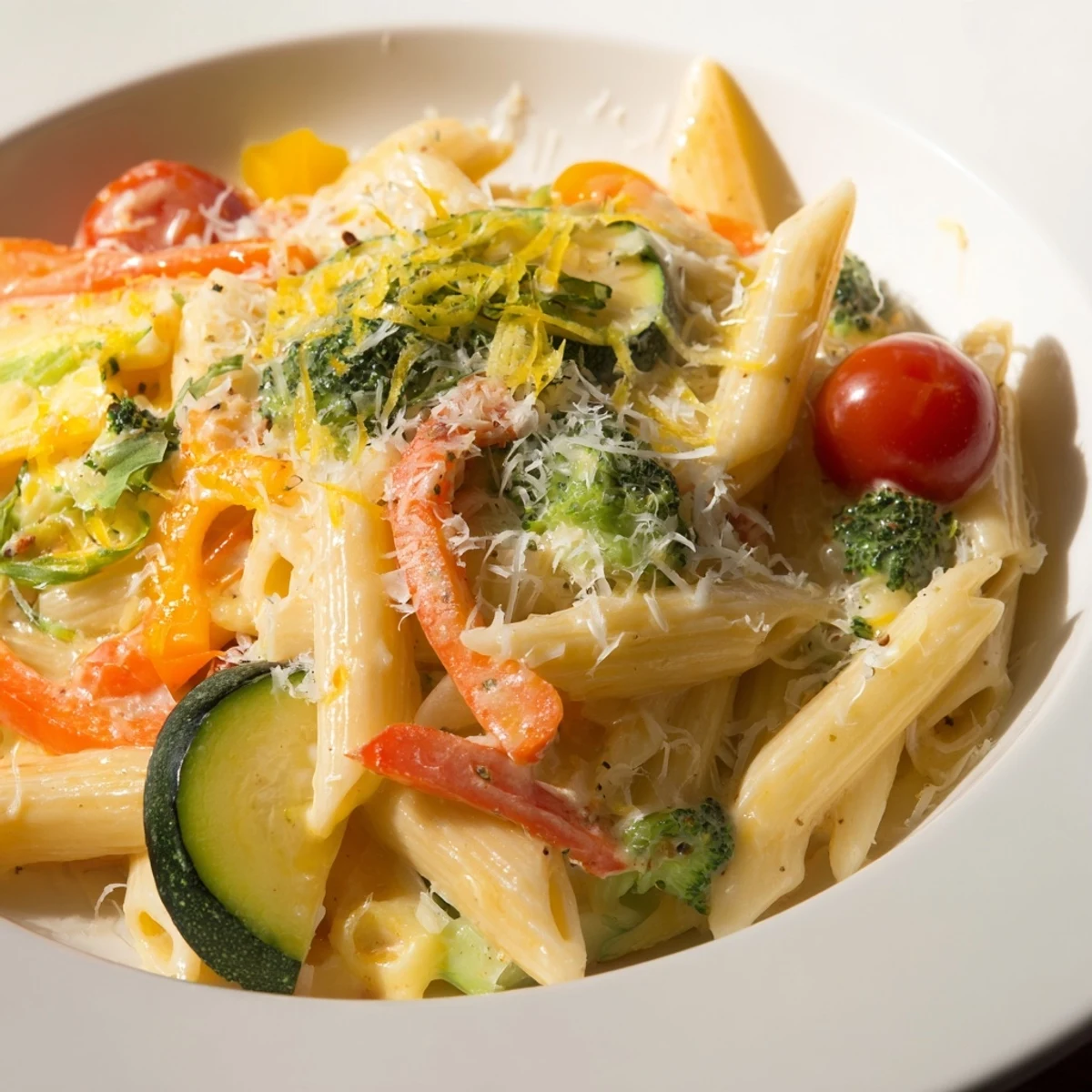
 This is the kind of recipe that tastes like you spent all afternoon in the kitchen, but you'll have eaten it before anyone even notices you didn't. Make it for the people you want to impress, or make it for yourself on a Tuesday when you need something that feels intentional.
Common Recipe Questions
- → What vegetables work best?
-
Seasonal favorites like zucchini, bell peppers, broccoli, snap peas, and cherry tomatoes are ideal, but you can use asparagus or mushrooms.
- → Can I make it lighter?
-
Yes, simply substitute the heavy cream with half-and-half for a lighter version while maintaining creaminess.
- → What pasta shapes should I use?
-
Penne or fettuccine work best as they hold the thick vegetable and cream sauce well.
- → Is this dish vegetarian?
-
Yes, this meal is vegetarian-friendly as it contains no meat products, just vegetables, dairy, and pasta.
- → How do I store leftovers?
-
Store in an airtight container in the refrigerator for up to three days and reheat gently with a splash of cream or water.