
 Pin it
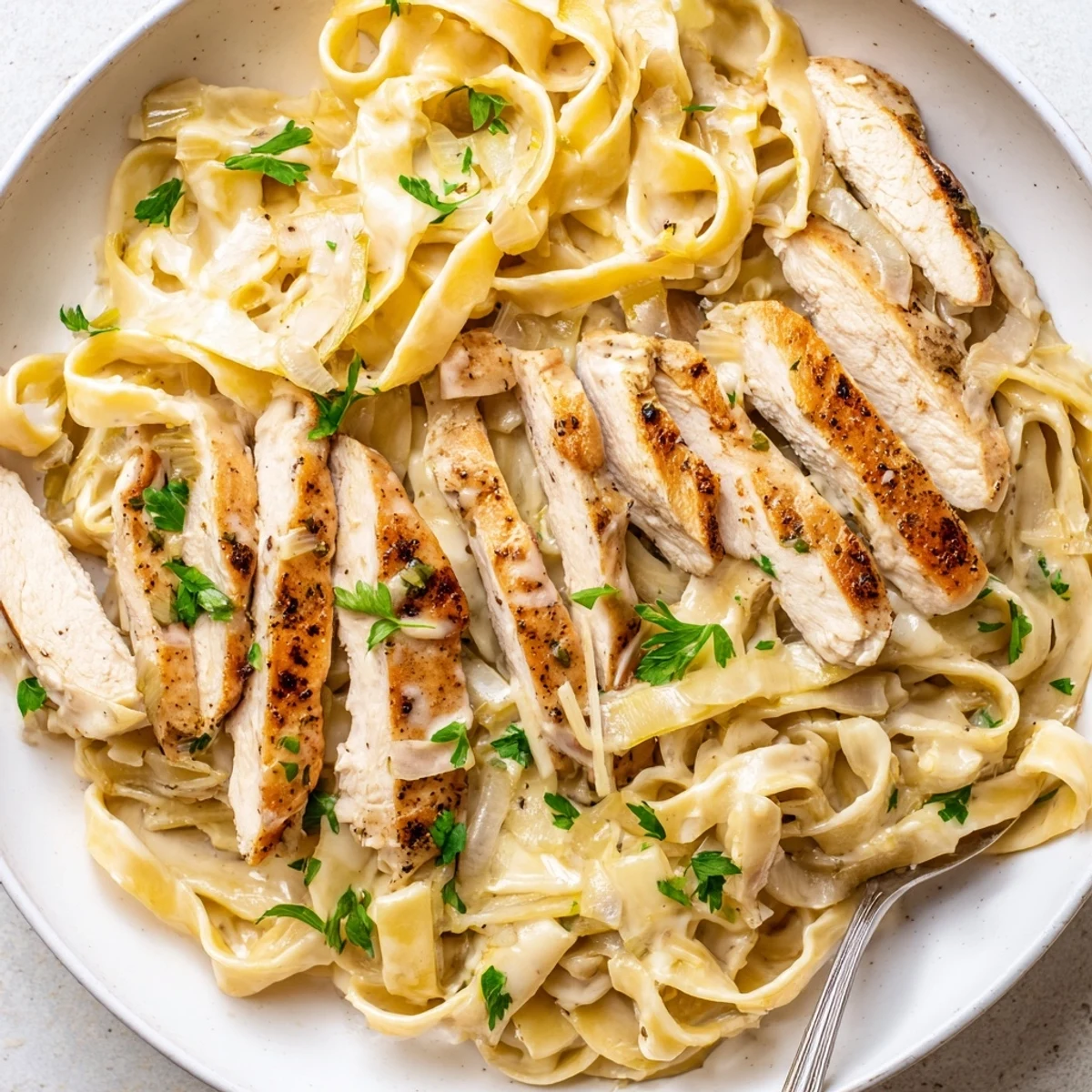
 This dish sautés seasoned, butterflied chicken until golden, deglazes the pan with chicken broth, then adds heavy cream and Parmesan to create a silky garlic-parmesan sauce. Toss with al dente fettuccine and a splash of reserved pasta water for a glossy finish. Total time is about 35 minutes—finish with parsley and extra Parmesan; add spinach or sun‑dried tomatoes for brightness.
The first time I whipped up this creamy garlic chicken pasta, the kitchen was humming with the jazz station playing just loud enough to drown out the noise from a rainy evening outside. There’s a certain thrill in crafting a sauce from scratch as the scent of garlic softens in butter, and every time I watch cream swirl into a pan, I get that little jolt of anticipation. My favorite part always comes when the pasta hits the sauce—a cloud of steam and the promise of pure comfort. There’s nothing fussy here, but the flavors somehow make you feel like you’ve done something special for yourself.
I still laugh remembering the last dinner party when my friend Olivia, who usually swears by takeout, kept sneaking bites straight from the pan as I tried to plate. She claimed it was just to 'test the seasoning,' but I caught her smile when the chicken glazed with sauce disappeared faster than I could serve it. It’s a dish that invites little casual acts of joy in the kitchen, and I wouldn’t have it any other way.
Ingredients
- Boneless, skinless chicken breasts: Butterflying helps them cook evenly, and a good seasoning makes all the difference—don’t be shy.
- Fettuccine or linguine: Pastas with flat shapes gather more sauce; salt your water generously for better flavor.
- Garlic cloves: Freshly minced garlic goes from sharp to mellow and sweet once sautéed—don’t rush this step.
- Yellow onion: Softened onion gives the sauce its base and rounds out the garlic with subtle heat.
- Fresh parsley: This little touch brightens things up—save a bit for a final toss at the end.
- Heavy cream: Look for the highest percent fat you can manage; it’s what gives the sauce its thick, beautiful body.
- Parmesan cheese: Freshly grated is best, both for flavor and for that magical melt into the cream.
- Olive oil: For searing the chicken and adding a gentle fruitiness to the sauce base.
- Unsalted butter: Butter gives richness where it counts—use unsalted to control the seasoning.
- Chicken broth: A splash of broth helps lift the browned bits off the skillet and builds savory depth.
- Dried Italian herbs: Optional, but a sprinkle lends an herbaceous backdrop that feels like a little cheat for flavor.
- Salt and freshly ground pepper: Taste as you go, and don’t underestimate how layers of seasoning transform the dish.
Instructions
- Get the pasta going:
- Fill a big pot with water, season it generously with salt, and set it to boil while you grab everything else. When it’s bubbling away, add the pasta and cook until just al dente, scooping out a half-cup of water before you drain.
- Prep and season the chicken:
- Butterfly the chicken breasts for quicker cooking, then scatter salt, pepper, and a pinch of Italian herbs over both sides until they look well-dressed.
- Sear the chicken:
- Heat the olive oil in a large skillet—wait until it shimmers, then lay in the chicken and listen for that sizzle. Sear on each side for about 5–6 minutes until golden and cooked through, then move to a plate and loosely cover to rest.
- Soften the aromatics:
- Turn the heat down, toss in the butter, and once it melts, stir in the finely chopped onion. Cook for a few minutes till translucent, then add the garlic and let everything turn fragrant but not browned.
- Deglaze for flavor:
- Pour in the chicken broth and use a wooden spoon to scrape up all the tasty bits stuck to the pan after cooking the chicken.
- Make it creamy:
- Add the heavy cream, let it just come to a low simmer, then whisk in the Parmesan until the sauce turns silky. Taste and tweak with more salt and pepper as needed.
- Bring it together:
- Slice the chicken thinly. Return it to the pan along with the drained pasta, tossing gently so everything is coated—add pasta water little by little for the perfect saucy finish.
- Finish and serve:
- Sprinkle in parsley, toss once more, and serve straight away with extra cheese and herbs if you like the look.
 Pin it
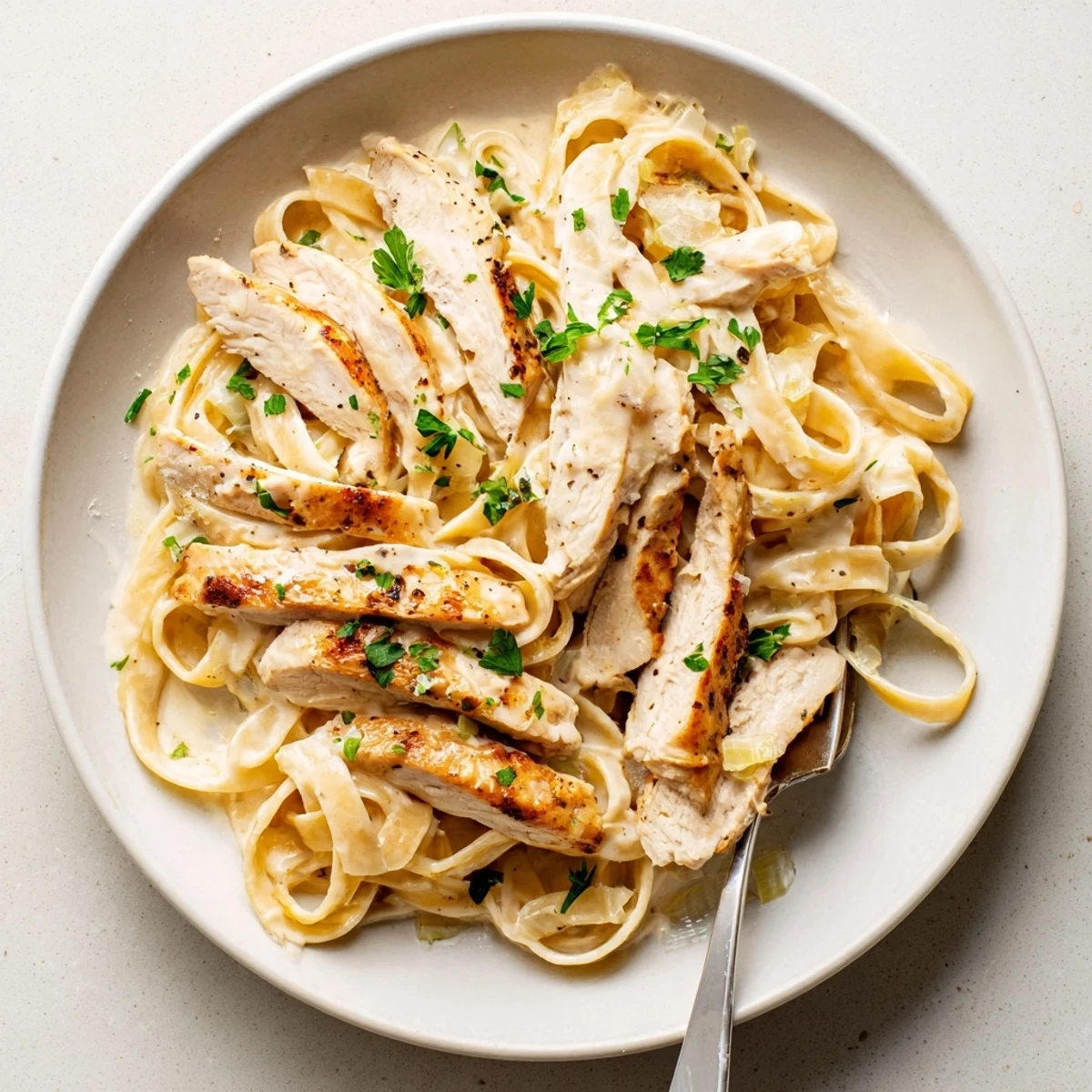
 The night my little sister called with news of her new job, we celebrated with big bowls of this pasta around the kitchen counter, trading stories and soaking up every last strand with hunks of bread. Suddenly, it wasn’t just dinner; it was the backdrop for a moment worth remembering.
Working With What You Have
If you’re ever out of heavy cream, whole milk with an extra knob of butter will do a stand-in job, and you can swap fresh herbs for dried in a pinch. Sometimes, I’ve tossed in a handful of baby spinach or a few sun-dried tomatoes to use up odds and ends, and the result has never disappointed.
Making It Your Own
Don’t hesitate to play with different proteins—a quick substitute of cooked shrimp turns it into something special for seafood lovers, and even leftover roast chicken works in a rush. The sauce is forgiving, and the pasta shape is up to whatever’s lingering in your pantry.
Serving and Enjoying Together
On those nights when everyone’s appetite is a little too big for just four servings, serve this family-style with a big salad tossed in vinaigrette. Letting people help themselves straight from the pan adds a satisfyingly informal touch to the table.
- Save a splash of pasta water in case the sauce thickens.
- Use tongs for tossing so every piece gets coated.
- Always garnish generously—extra parsley and cheese never hurt.
 Pin it
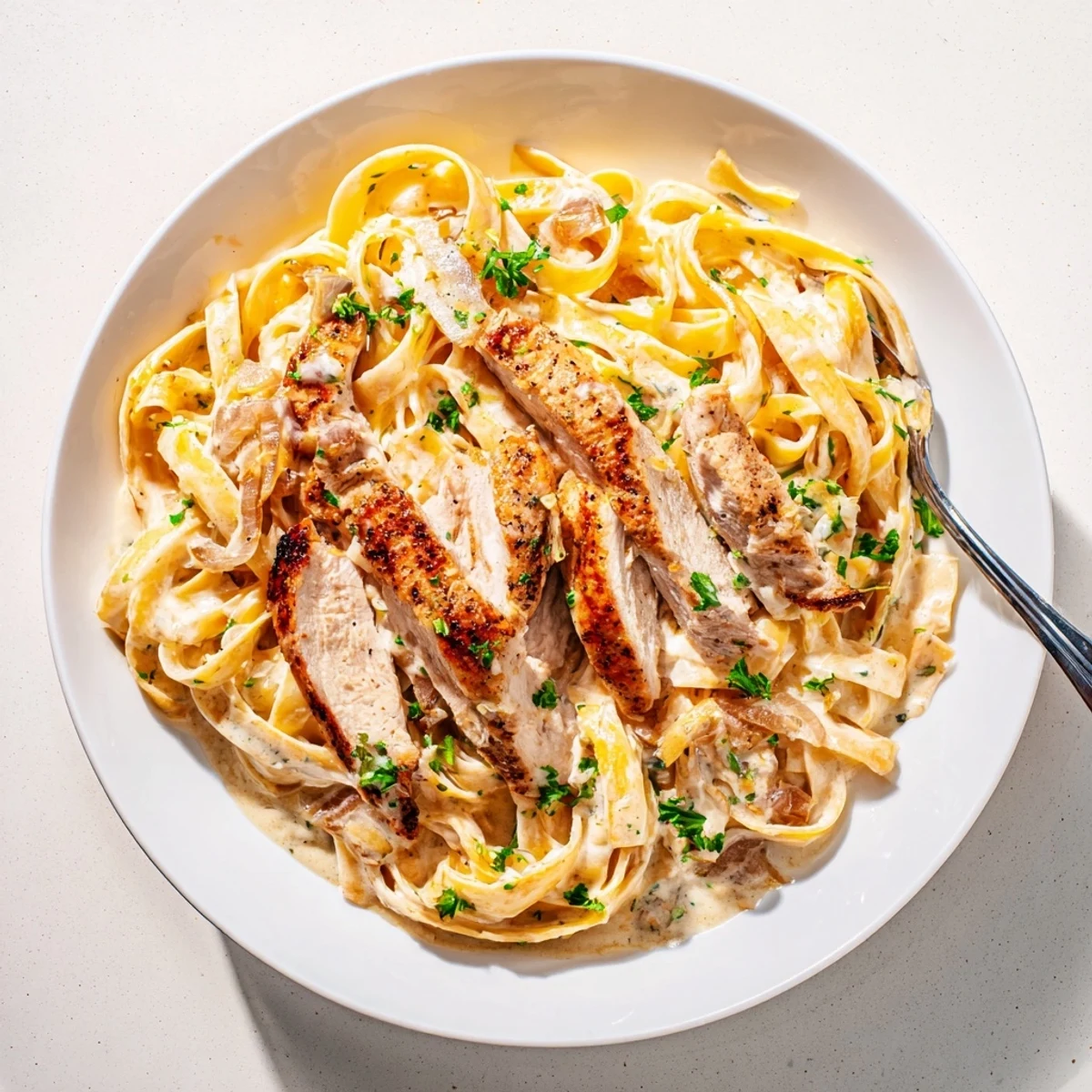
 This pasta is quick to make but lingers in memory just a little longer. May your first bite be as comforting as your last.
Common Recipe Questions
- → How do I prevent the sauce from splitting?
-
Keep the heat moderate when adding cream and stir constantly as it comes up to a gentle simmer. Finish with gentle heat and add grated Parmesan slowly so the cheese melts smoothly into the sauce.
- → How can I be sure the chicken is cooked through?
-
Use an instant-read thermometer inserted into the thickest part; it should read 165°F (74°C). Alternatively, slice the breast—juices should run clear and the meat should be opaque throughout.
- → Why reserve pasta water and how much should I add?
-
Reserved pasta water contains starch that helps emulsify and loosen the sauce so it clings to the pasta. Start with a few tablespoons and add as needed until the sauce reaches a glossy, pourable consistency.
- → What pasta shapes work best besides fettuccine?
-
Long strands like linguine or tagliatelle are ideal, but tube shapes such as penne or rigatoni also work—they catch the sauce differently. Adjust sauce quantity and toss well to coat evenly.
- → How can I lighten the dish without losing flavor?
-
Use half-and-half or a mix of milk and a smaller amount of cream, and increase the chicken broth. Finish with extra Parmesan and fresh herbs to maintain richness while reducing total fat.
- → What’s the best way to store and reheat leftovers?
-
Refrigerate in an airtight container for up to 3–4 days. Reheat gently on the stovetop over low heat, adding a splash of broth or cream to loosen the sauce, or warm in short microwave bursts, stirring between intervals.