
 Pin it
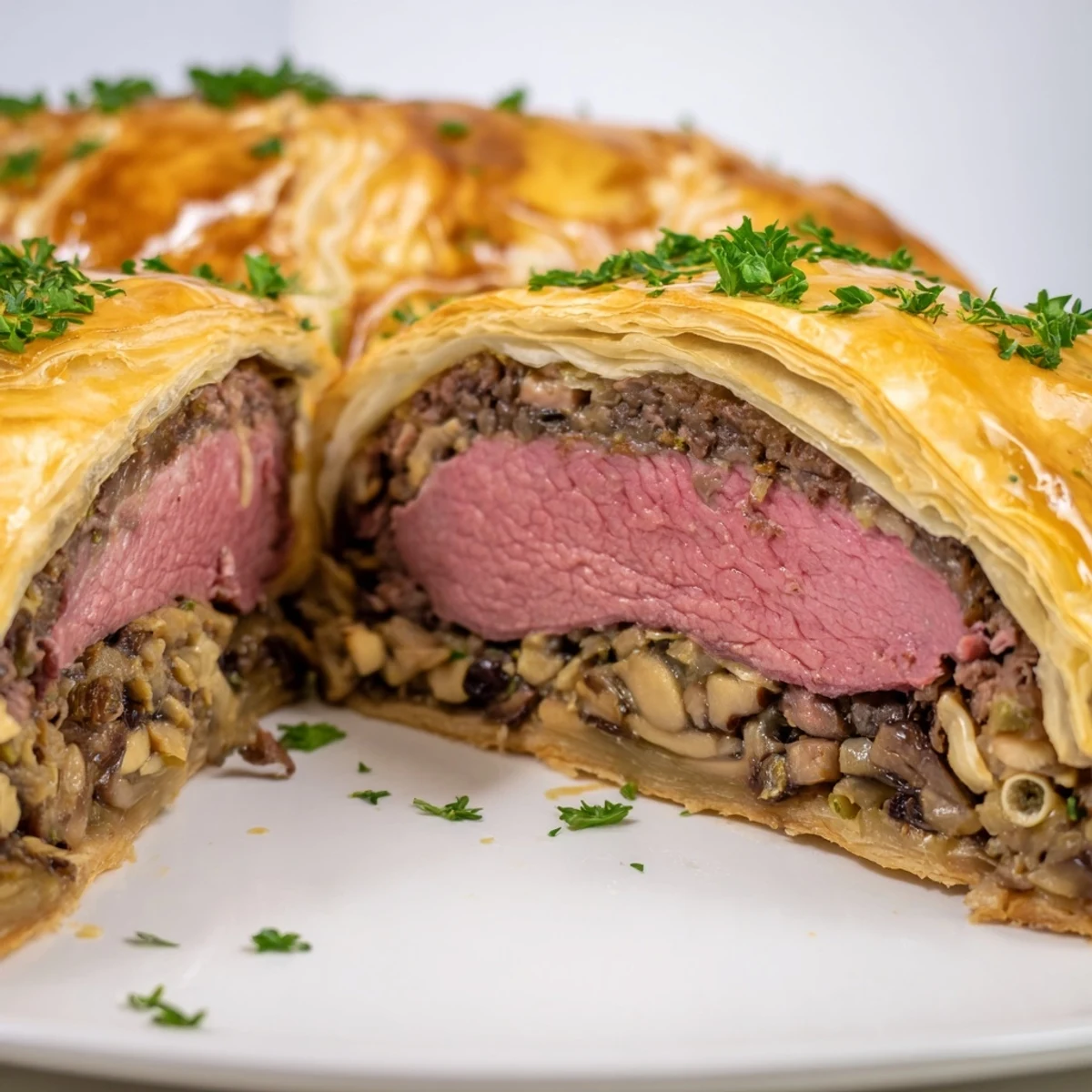
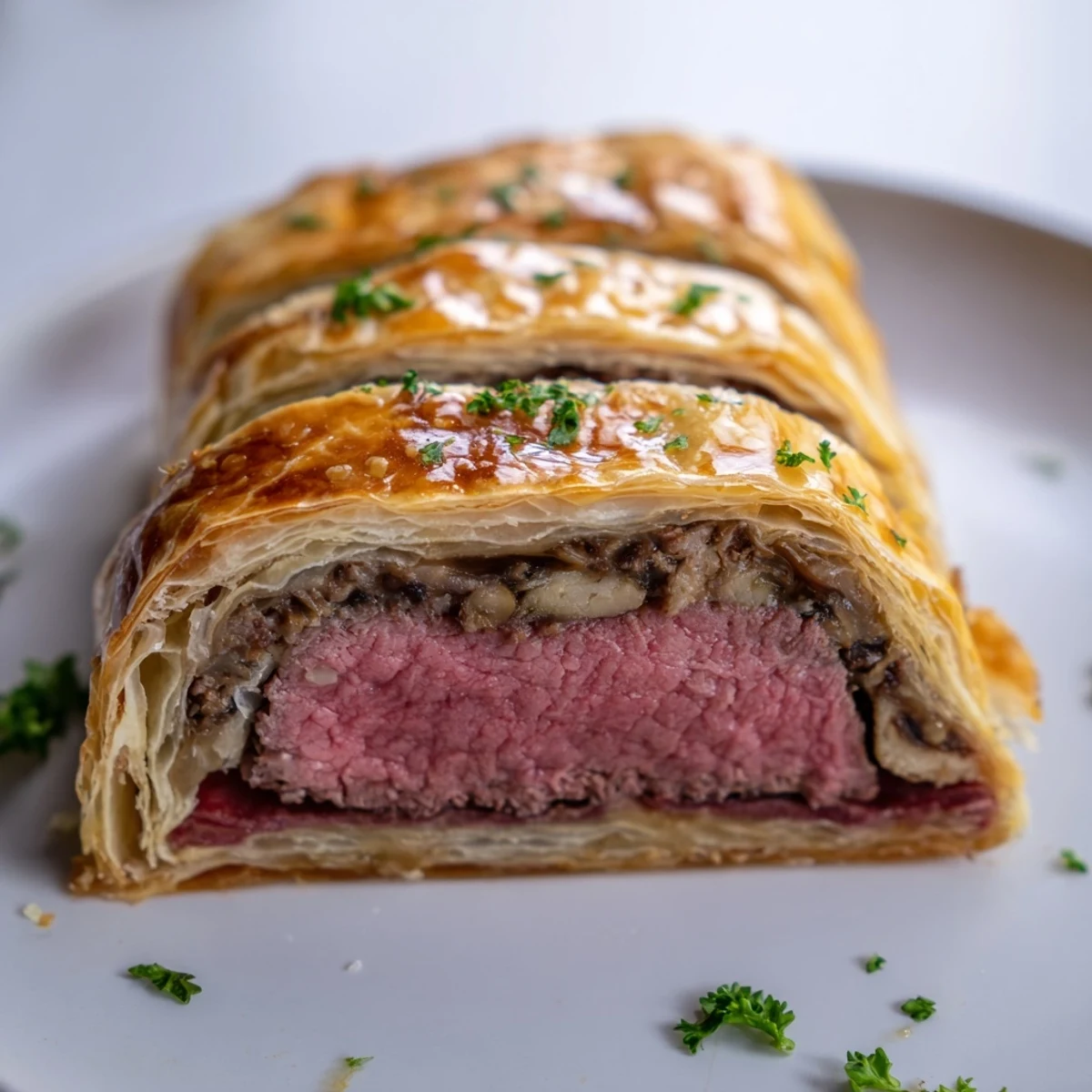
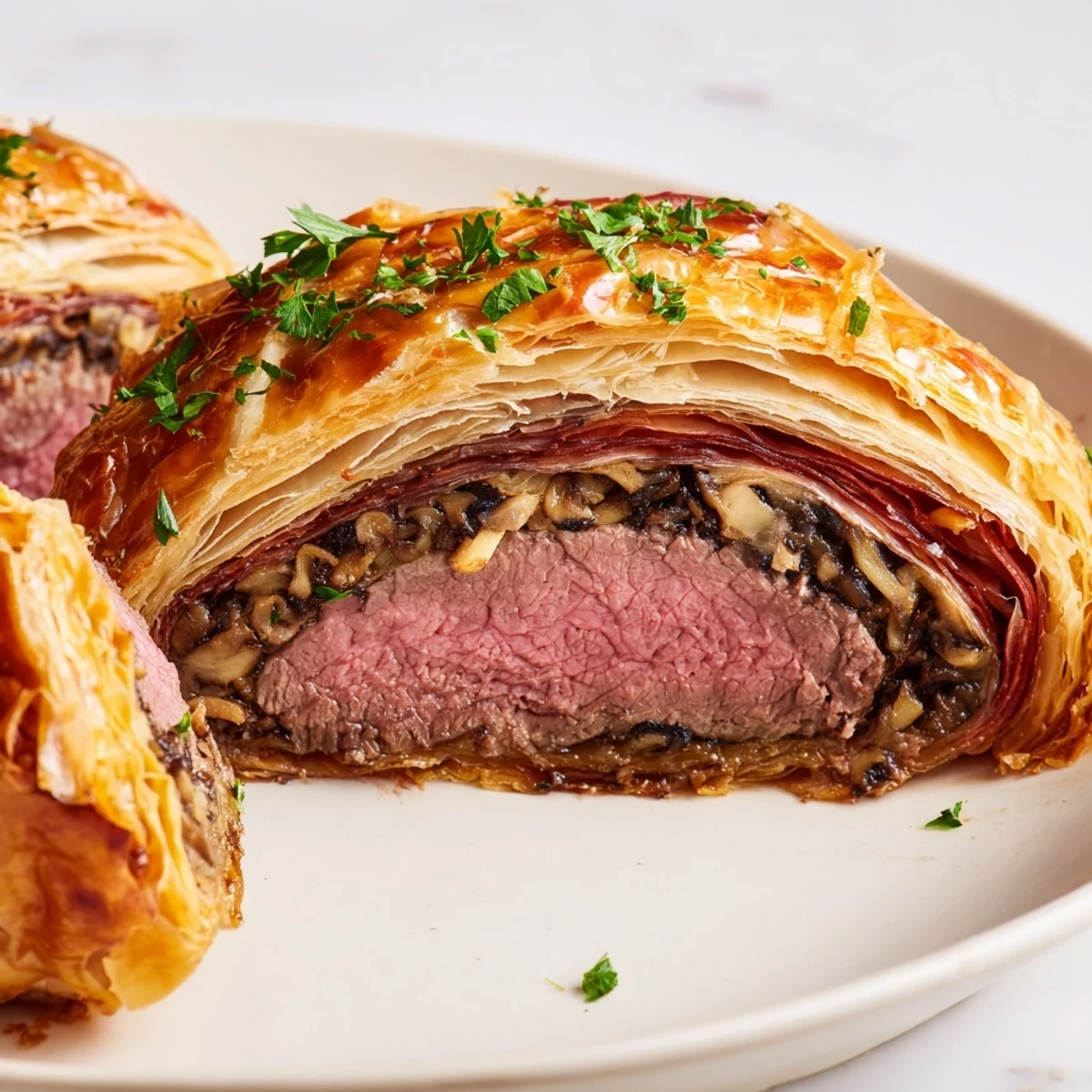
 This dish features a center-cut beef fillet seasoned and seared to lock in juices, then coated with a savory mushroom duxelles and wrapped in layers of prosciutto. The ensemble is carefully encased in golden puff pastry, then baked until the pastry is crisp and the beef reaches medium-rare. Resting before slicing ensures juicy, tender portions perfect for special occasions or festive dinners.
There's something about the quiet confidence of unwrapping a Beef Wellington at the table that makes everyone pause. Years ago, I watched my aunt pull one from the oven, that burnished pastry crackling under her knife, and I realized this wasn't just dinner—it was a performance that somehow still tasted effortless. The first time I attempted it myself, my kitchen smelled like buttery mushrooms and seared beef for hours afterward, and I understood why she'd always looked so pleased with herself.
I made this for my partner's birthday dinner last winter, and something shifted when I pulled it out of the oven. The whole apartment smelled like a proper restaurant, and watching them try to cut through that pastry without shattering it everywhere was the kind of small comedy that makes a meal memorable. When we finally got a clean slice on the plate, they just looked at it for a moment before tasting it, and that pause felt like all the work was worth it.
Ingredients
- Center-cut beef tenderloin (2 to 2.5 lb): This is the splurge cut, and it matters—the tenderness is what makes this dish sing, and trimming it yourself gives you control over how lean it is.
- Cremini mushrooms (1 lb): Button mushrooms work fine, but creminis have deeper flavor, and you want that earthiness in your duxelles.
- Prosciutto (8–10 thin slices): This creates a moisture barrier so your pastry doesn't get soggy from the beef juices—it's doing real work, not just adding salt.
- Puff pastry (1 lb): Thaw it properly at room temperature so it stays flaky; rushing this step means tough pastry.
- Dijon mustard (2 tbsp): A thin brush of this after searing adds a subtle tang that nobody can quite identify but everyone notices.
- Egg wash: This is your golden-brown insurance policy—don't skip brushing it twice.
- Fresh thyme: The dried version tastes musty compared to fresh; this herb keeps the duxelles tasting bright.
Instructions
- Sear the beef until it's caramel-brown on all sides:
- Heat your skillet until it's almost smoking, then lay the beef down and don't move it—that stillness is how you get color. About two minutes per side, and you'll see the difference immediately.
- Build your mushroom duxelles carefully:
- The mushrooms will release a ton of liquid, and you're cooking it all the way off so the mixture is almost paste-like. This takes longer than you think, around ten to twelve minutes, but that drying step prevents a soggy pastry.
- Create the prosciutto base and layer it all together:
- Overlap the prosciutto on plastic wrap like roof shingles, spread your cooled duxelles on top, then place the seared beef in the center. The plastic wrap does the heavy lifting here—it holds everything as you roll it tight, creating a neat package.
- Wrap the whole thing in pastry like you're tucking it in:
- Roll your pastry thin enough to work with but thick enough to hold together, place the beef log in the center, then fold the pastry over and seal all seams with a fork or your fingers. The egg wash on the edges acts as glue.
- Bake until the pastry is golden and the beef hits the right temperature:
- You're aiming for medium-rare, which means 120–125°F inside. The pastry will look done before the beef is, so trust the thermometer.
- Rest it completely before you slice:
- This is where patience pays off—those fifteen minutes let the beef relax and reabsorb its juices instead of running all over your plate.
 Pin it
 Years ago, I was convinced fancy food had to be complicated, that there was some secret formula only professional chefs understood. Beef Wellington taught me differently—it's elaborate, yes, but each step has a reason, and when you understand the reasons, it becomes oddly straightforward. Now when people ask if it's difficult, I tell them it's less about difficulty and more about honoring each ingredient's purpose.
The Searing Foundation
The sear is everything, and I learned this the expensive way by skipping it once. A proper sear means the beef has a flavorful crust before it ever touches the inside of the pastry, and it also dries out the surface so the duxelles adheres properly. Don't rush the searing step—let each side sit undisturbed for two full minutes until it's properly browned, not just heated through.
The Duxelles Secret
Your mushroom duxelles is the soul of this dish, and it needs to be dry, almost paste-like, not wet and stewy. This is where most people rush—they cook the mushrooms for five minutes and wonder why their pastry gets soggy. The moisture has to evaporate almost completely, which takes patience and frequent stirring, usually around twelve minutes. When it's ready, it'll smell deeply savory, almost meaty, and that's how you know it's done right.
Pastry Technique and Finishing Touches
The pastry needs to be rolled thin enough to work with but thick enough to hold up during baking—if it's too thick, it won't bake through evenly with the beef, and if it's too thin, it'll tear when you're wrapping. Working on a floured surface keeps it from sticking, and brushing every exposed edge with egg wash ensures it all seals properly and bakes to an even golden brown.
- Chill your assembled Wellington for at least thirty minutes before baking so the pastry sets and bakes up flakier.
- If your pastry has any tears, seal them with egg wash and press them gently closed—small imperfections won't be visible once it's baked.
- Decorating with pastry scraps is optional but worth it for the presentation, just make sure they're thoroughly coated with egg wash too.
 Pin it
 This is the dish you make when you want to prove something to yourself in the kitchen, and it never fails to deliver that quiet satisfaction. Once you've done it once, you'll do it again, not because it's simple, but because it's worth the effort.
Common Recipe Questions
- → What cut of beef is best for this dish?
-
Center-cut beef tenderloin is ideal due to its tenderness and uniform shape, which ensures even cooking.
- → How do you prepare the mushroom duxelles?
-
Finely chop mushrooms, shallots, and garlic, then sauté with butter and thyme until all moisture evaporates, leaving a concentrated flavor.
- → How can I ensure the puff pastry stays crisp?
-
Keep the pastry chilled before baking and brush with egg wash to achieve a golden, crisp finish.
- → What internal temperature should the beef reach?
-
Cook until the internal temperature hits 120–125°F (49–52°C) for medium-rare doneness.
- → Why is resting the beef important?
-
Resting allows the juices to redistribute, resulting in a moist and tender final dish.