
 Pin it
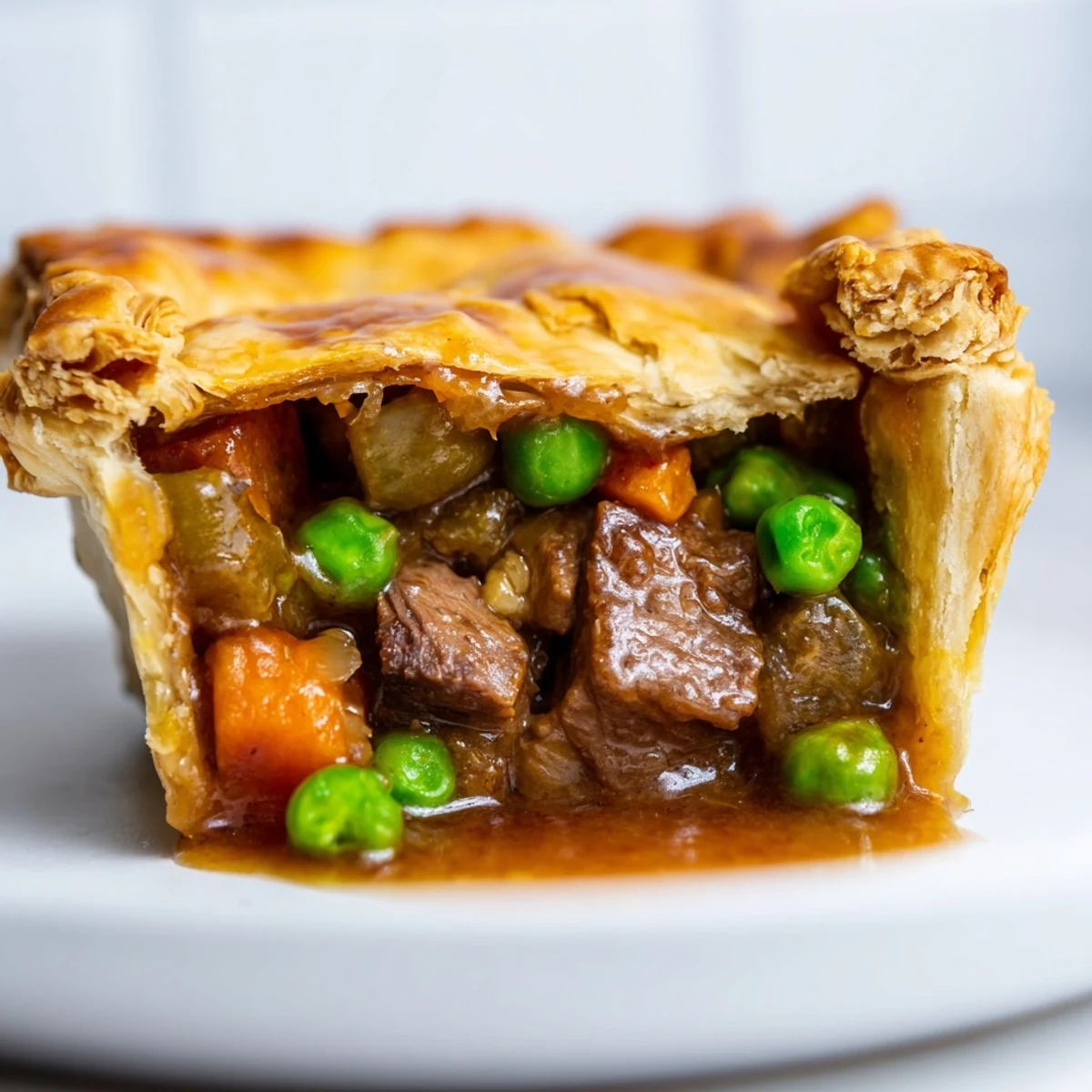
 Create a comforting dish by slow-cooking seasoned beef chuck with onions, carrots, and celery in a rich red wine broth. Encase this savory filling between two layers of homemade buttery pastry, then bake until the crust achieves a deep golden brown. Let it rest briefly before serving to ensure the filling sets perfectly for a hearty meal.
There's something about the smell of beef simmering with wine and thyme that stops you mid-conversation and makes everyone drift toward the kitchen. I learned to make this pie on a gray Sunday when a friend mentioned she hadn't had proper British beef pie in years, and I realized it was one of those dishes that feels impossibly fancy until you actually make it. The flaky crust shatters under your fork, the filling is fork-tender and rich, and somehow it tastes like someone's been cooking it all day even though it mostly cooks itself.
I made this the first time for my partner's birthday dinner, and I remember being genuinely nervous about the pastry—I'd had so many fail—but something clicked when I stopped rushing and let the butter stay cold. The house smelled incredible by the time we pulled it out of the oven, all golden and steaming, and nobody moved until everyone had eaten half their slice.
Ingredients
- All-purpose flour: Use 2½ cups for the pastry and another 2 tablespoons for the filling; cold flour is actually better for pastry because it doesn't warm the butter.
- Cold unsalted butter, cubed: This is the whole secret to flaky crust—keep it cold, don't overwork it, and use real butter, not shortening.
- Ice water: Add it gradually and stop the moment the dough comes together; wet dough makes tough crust.
- Beef chuck: Cut into 1-inch cubes and don't skip the browning step; it builds flavor that carries through the whole dish.
- Onion, garlic, carrots, celery: These are your flavor foundation, and finely chopping them means they disappear into the sauce rather than sitting as chunks.
- Tomato paste: Just 2 tablespoons deepens the color and richness without making it taste tomatoey.
- Beef broth and red wine: The wine adds complexity; if you skip it, use extra broth but you'll lose something important.
- Worcestershire sauce, thyme, bay leaf: These three are the savory backbone; don't skip the bay leaf because it adds depth you can't quite name.
- Frozen peas: Add them at the very end so they stay bright and slightly firm rather than turning to mush.
- Egg wash: One beaten egg brushed on top gives you that restaurant-quality golden shine.
Instructions
- Make the pastry dough:
- Whisk flour and salt together, then work in cold butter cubes using a pastry blender or your fingertips until it looks like coarse breadcrumbs—this texture is everything because it's what creates those flaky layers. Add ice water a little at a time, stirring gently until the dough just barely comes together.
- Chill the dough:
- Divide into two disks, wrap in plastic, and refrigerate for at least an hour; cold dough is forgiving dough. This pause actually makes the whole process easier because you're not fighting warm, sticky pastry.
- Brown the beef:
- Season cubes generously with salt and pepper, then sear them in batches in hot oil so you get a deep brown crust on each piece. Don't crowd the pan or they'll steam instead of brown—patience here pays off in the final flavor.
- Build the sauce base:
- Once beef is browned and set aside, sauté the onion, garlic, carrots, and celery until they're soft and the kitchen smells incredible. Stir in tomato paste for a minute, then sprinkle flour over everything and stir well to cook out any raw flour taste.
- Simmer the filling:
- Return beef to the pot with broth, wine, Worcestershire, thyme, and bay leaf; bring to a boil then reduce heat and cover. Simmer for about an hour, stirring occasionally, until the beef falls apart when you press it with a fork.
- Finish and cool:
- Stir in peas and cook 5 more minutes, then remove the bay leaf and let the whole mixture cool to room temperature before assembling the pie. This cooling step is crucial because hot filling makes the crust soggy and ruins the texture you worked for.
- Assemble the pie:
- On a floured surface, roll one pastry disk to fit your 9-inch pie dish, pressing it gently into the corners and edges. Fill with cooled beef mixture, then roll out the second disk and lay it on top.
- Seal and vent:
- Trim excess pastry, press the edges together, then crimp with a fork for both flavor and structure. Cut a few small slits in the top so steam escapes and the crust stays crispy rather than soggy.
- Golden bake:
- Brush the whole top with beaten egg, place the pie on a baking sheet, and bake at 400°F for 40-45 minutes until the crust is deep golden brown. Let it rest for 15 minutes before slicing so the filling sets slightly and doesn't pour out.
 Pin it
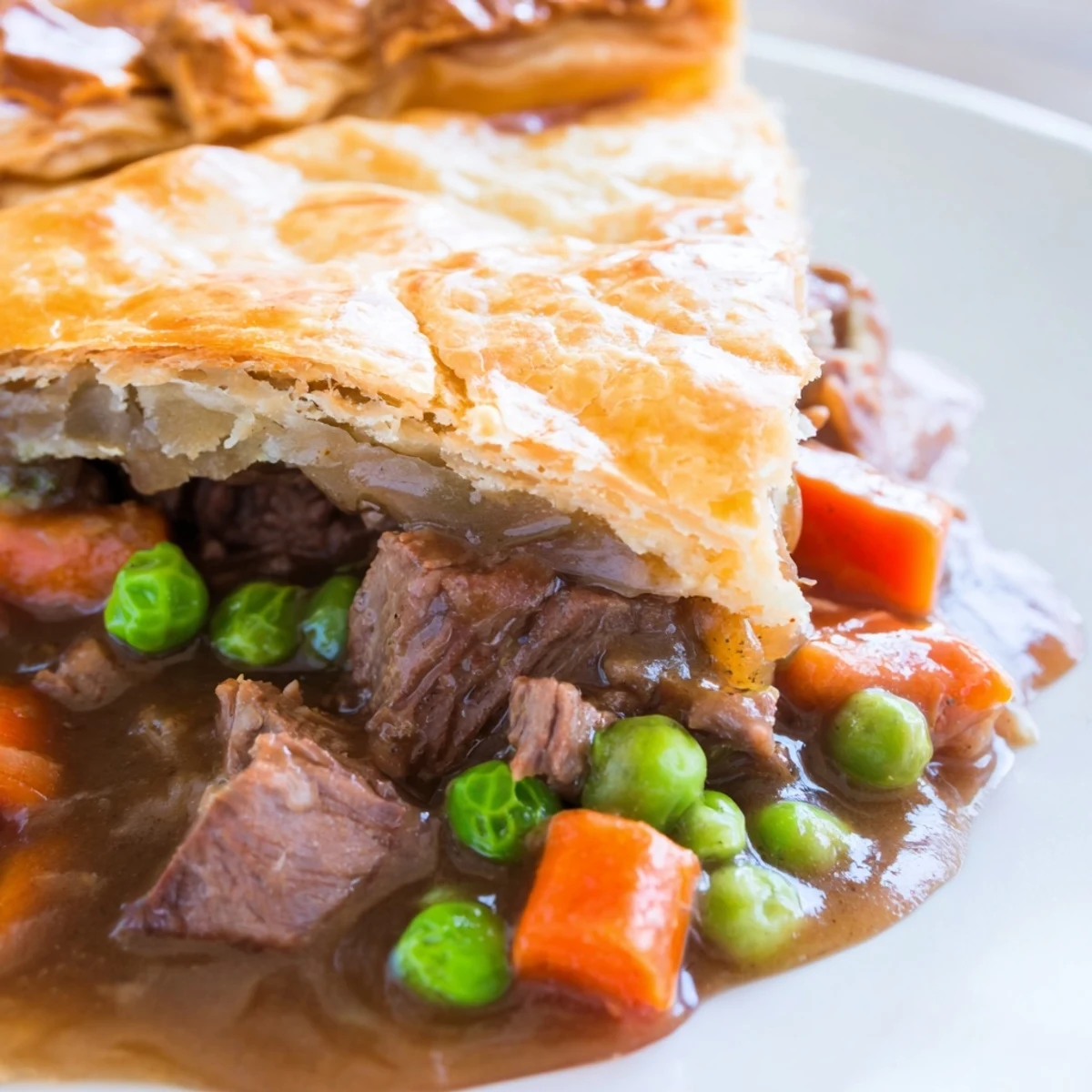
 The moment that made this recipe stick for me was serving a slice to someone who said they'd given up on homemade pie because store-bought was easier, and watching their expression change when they tasted that contrast between the shattered crust and the tender, wine-dark filling. That's when I knew this was more than just dinner.
Why Cold Matters
Every step of this pie is about respecting cold as an ingredient. Cold butter stays separate in the flour, creating those gorgeous flaky layers instead of turning into a tough, dense dough. Cold filling doesn't melt into the crust the moment it hits the hot oven. Even the ice water matters because it helps the gluten relax so your crust stays tender. This isn't fussiness; it's physics.
The Wine Matters More Than You'd Think
When I first made this, I used all beef broth because I was nervous about wine, and the filling tasted flat and one-dimensional. The next time, I used the red wine as written and suddenly everything had depth and richness that made people pause between bites. The wine doesn't taste like wine; it becomes part of the savory complexity that makes you want another slice. Don't skip it or substitute it with more broth—use a wine you'd actually drink, something middle-shelf and unfussy.
Serving and Storage
This pie is glorious hot but equally good at room temperature, which makes it perfect for planning ahead. Serve it with creamy mashed potatoes to echo the richness of the filling, and definitely pour a glass of that same red wine you used in the pie. Leftovers keep for three days in the fridge and reheat gently in a 350°F oven without drying out.
- Mashed potatoes with butter and fresh thyme are the only side dish that makes sense here.
- A green salad cut the richness if you want something bright on the plate.
- Let people slice their own pie at the table because there's something ceremonial about that first cut through the crust.
 Pin it
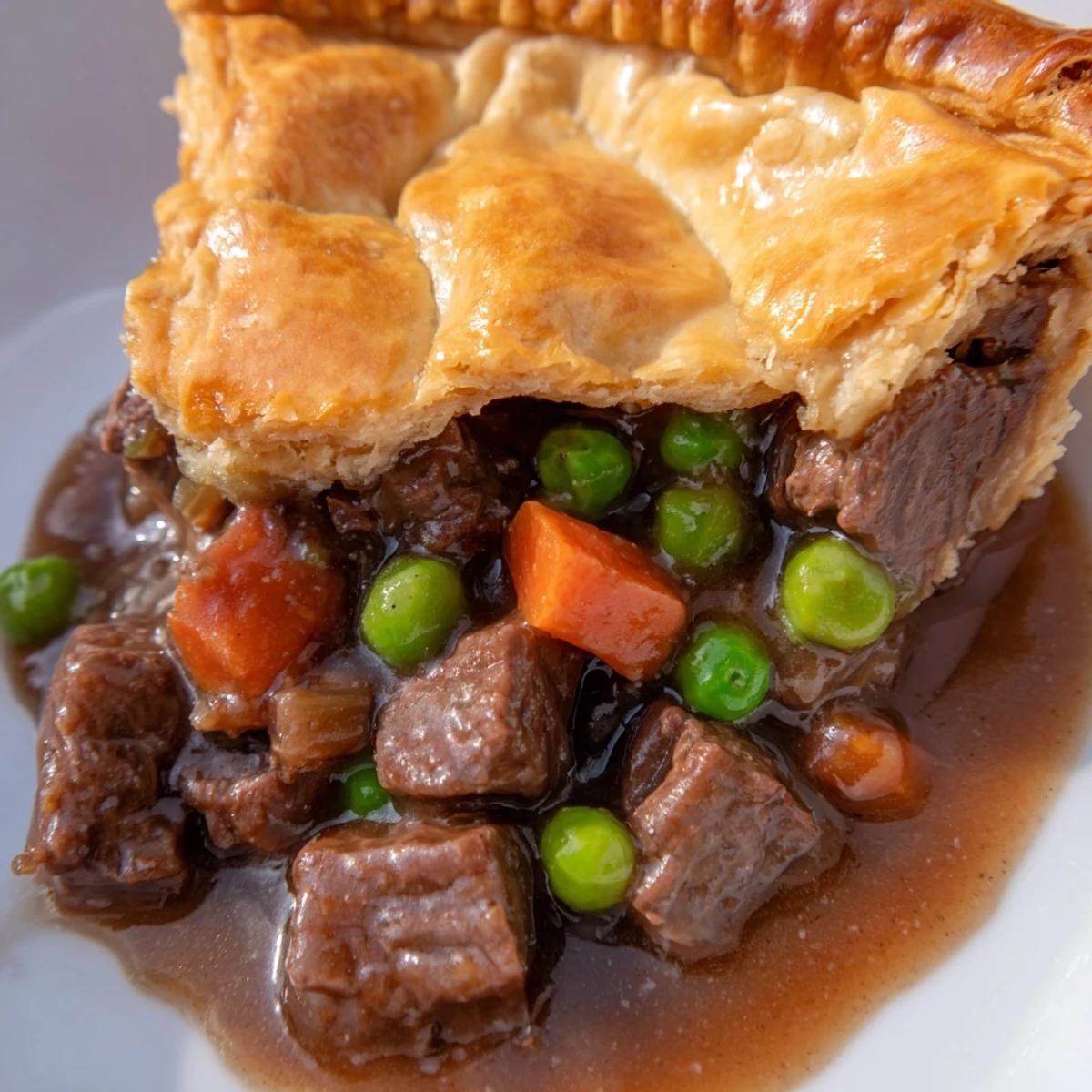
 This pie tastes like someone spent hours in the kitchen when really you just practiced patience—a cold hand, a gentle touch with the pastry, and the willingness to let things cool before rushing to the table. Make it once and you'll make it again.
Common Recipe Questions
- → Can I use store-bought pastry?
-
Yes, high-quality store-bought puff pastry or shortcrust is a convenient alternative to making dough from scratch.
- → How should I store leftovers?
-
Cool the pie completely, then wrap it tightly or place individual slices in an airtight container and refrigerate for up to 3 days.
- → Is it possible to freeze this dish?
-
You can freeze the assembled, unbaked pie. Wrap it thoroughly in plastic and foil, then bake directly from frozen, adding extra time.
- → What cut of beef works best?
-
Chuck roast is ideal because it has enough connective tissue to become tender and flavorful during the simmering process.
- → Why must the filling cool before assembly?
-
Placing hot filling on pastry causes the butter to melt prematurely, which results in a soggy bottom crust rather than a flaky one.