
 Pin it
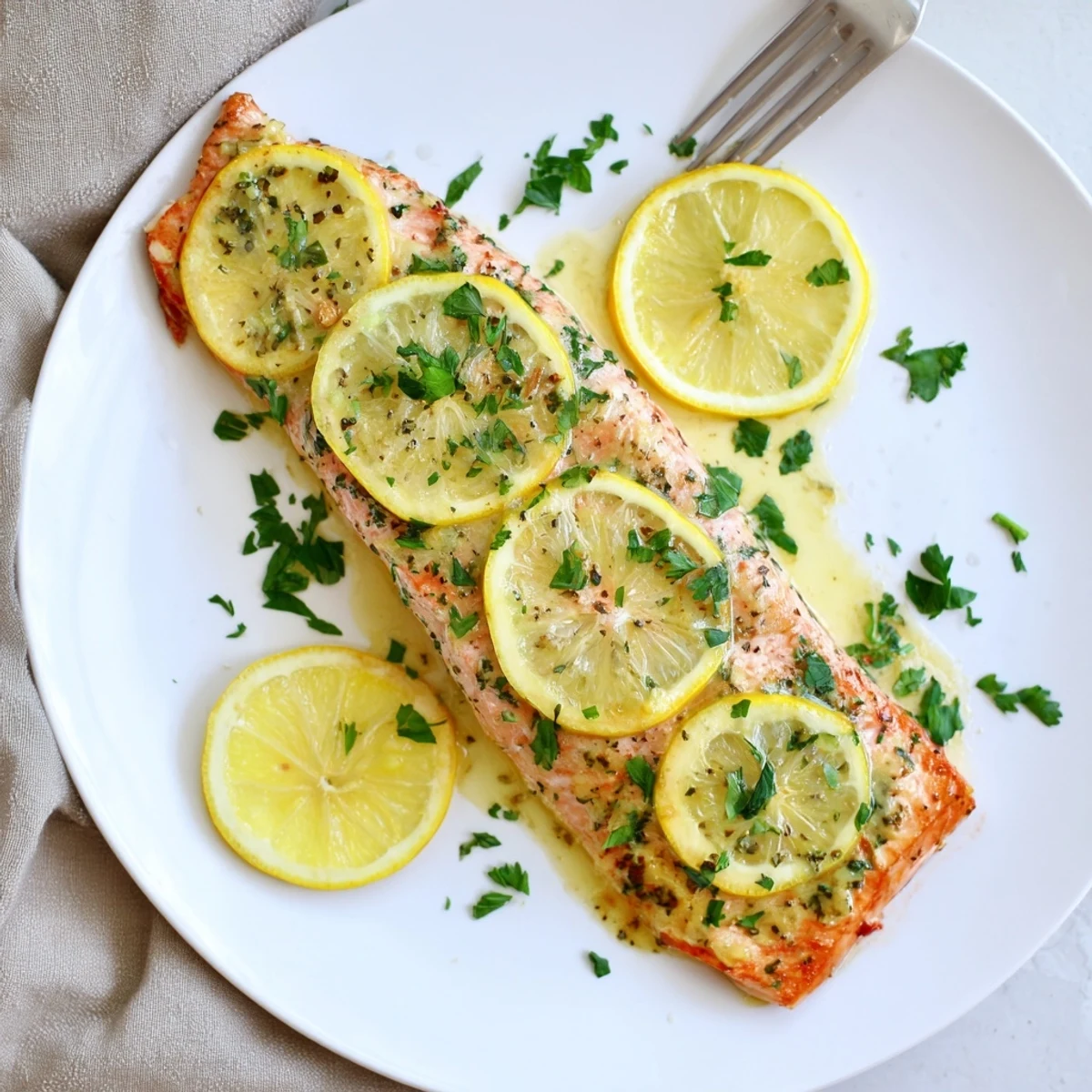
 This oven-baked salmon delivers perfectly cooked, tender fillets with a bright lemon-garlic butter glaze. The quick 10-minute prep combines olive oil, melted butter, fresh lemon juice, and aromatic garlic with dill for a balanced flavors profile. After 12-15 minutes at 200°C, the salmon becomes flaky and moist, ideal for serving alongside steamed vegetables, rice, or crisp salads. The dish naturally fits gluten-free and pescatarian diets while providing 31 grams of protein per serving.
The kitchen smelled like butter and garlic when my roommate walked in, phone already to her ear. "What is THAT?" she whispered, covering the mic. That was the moment I knew this salmon recipe wasn't just dinner—it was the kind of dish that makes people pause mid-conversation.
I first made this for a Tuesday night dinner with my sister, who swears she hates fish. She took one bite, went silent for a full thirty seconds, then asked if I could teach her how to make it "properly" before she left. Now she texts me photos every time she attempts it, usually with some variation about how hers never tastes quite as good as mine—though I suspect she's just being generous.
Ingredients
- Salmon fillets: Fresh is ideal here, and I've learned the hard way that previously frozen salmon can release more water and affect that gorgeous caramelization
- Unsalted butter: Melted into the olive oil, it adds richness without overwhelming the delicate fish flavor
- Fresh lemon juice: The acidity cuts through the fat and brightens everything—bottled juice somehow tastes flat in comparison
- Garlic cloves: Minced finely so it disperses evenly into the butter mixture instead of clumping
- Dried or fresh dill: Fresh dill gives you that bright, spring-like flavor, but dried works beautifully in a pinch
- Salt and black pepper: Don't be shy with the seasoning—salmon can handle a generous hand
Instructions
- Prep your oven and baking surface:
- Set your oven to 200°C (400°F) and line a baking tray with parchment paper for the easiest cleanup imaginable
- Arrange the salmon:
- Place the fillets skin-side down on your prepared tray, leaving a bit of space between them so heat can circulate evenly
- Whisk the magic mixture:
- Combine olive oil, melted butter, lemon juice, garlic, salt, pepper, and dill in a small bowl until everything is emulsified and fragrant
- Coat the fish generously:
- Spoon or brush the mixture over each fillet, making sure every bit of the exposed salmon gets some of that buttery love
- Add optional lemon slices:
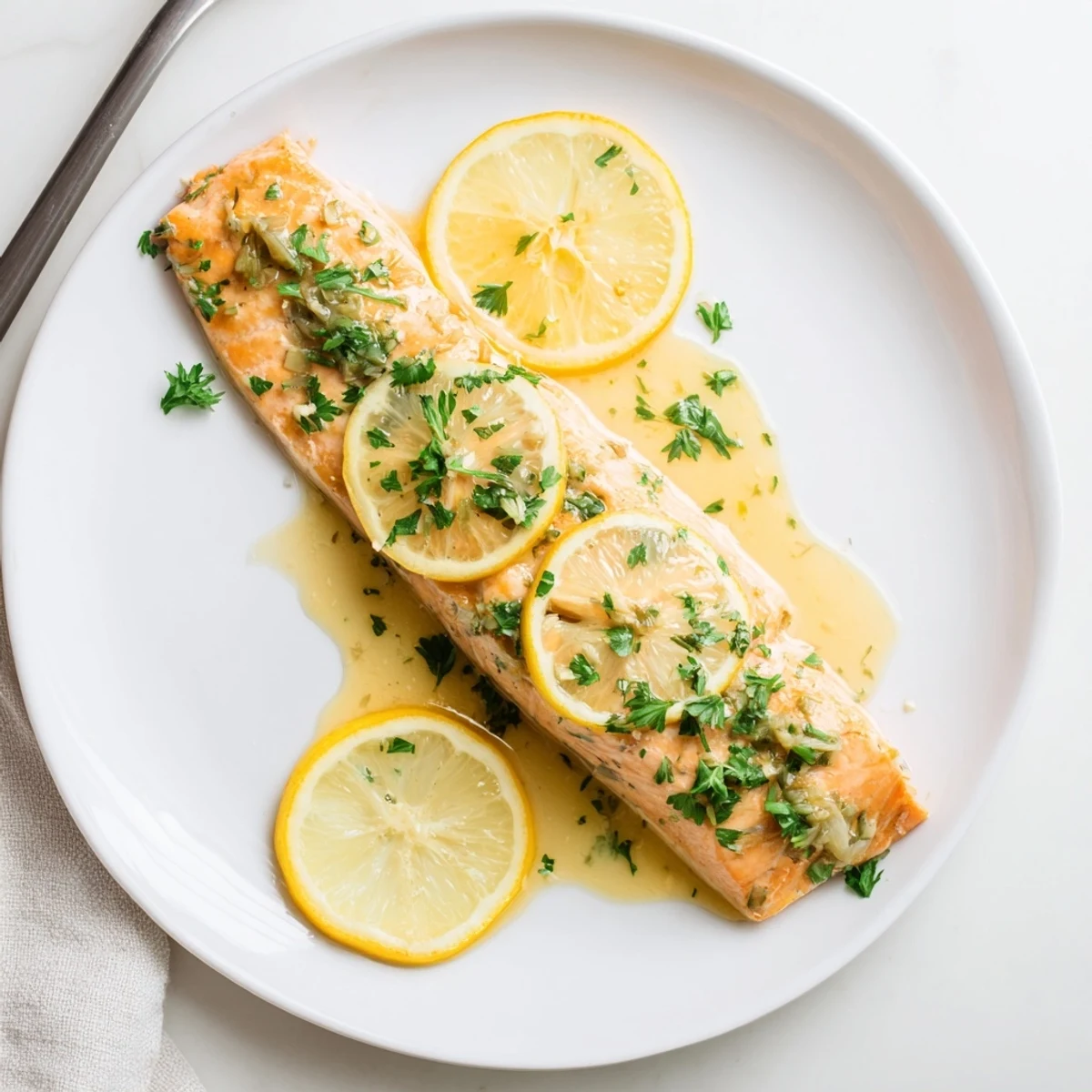
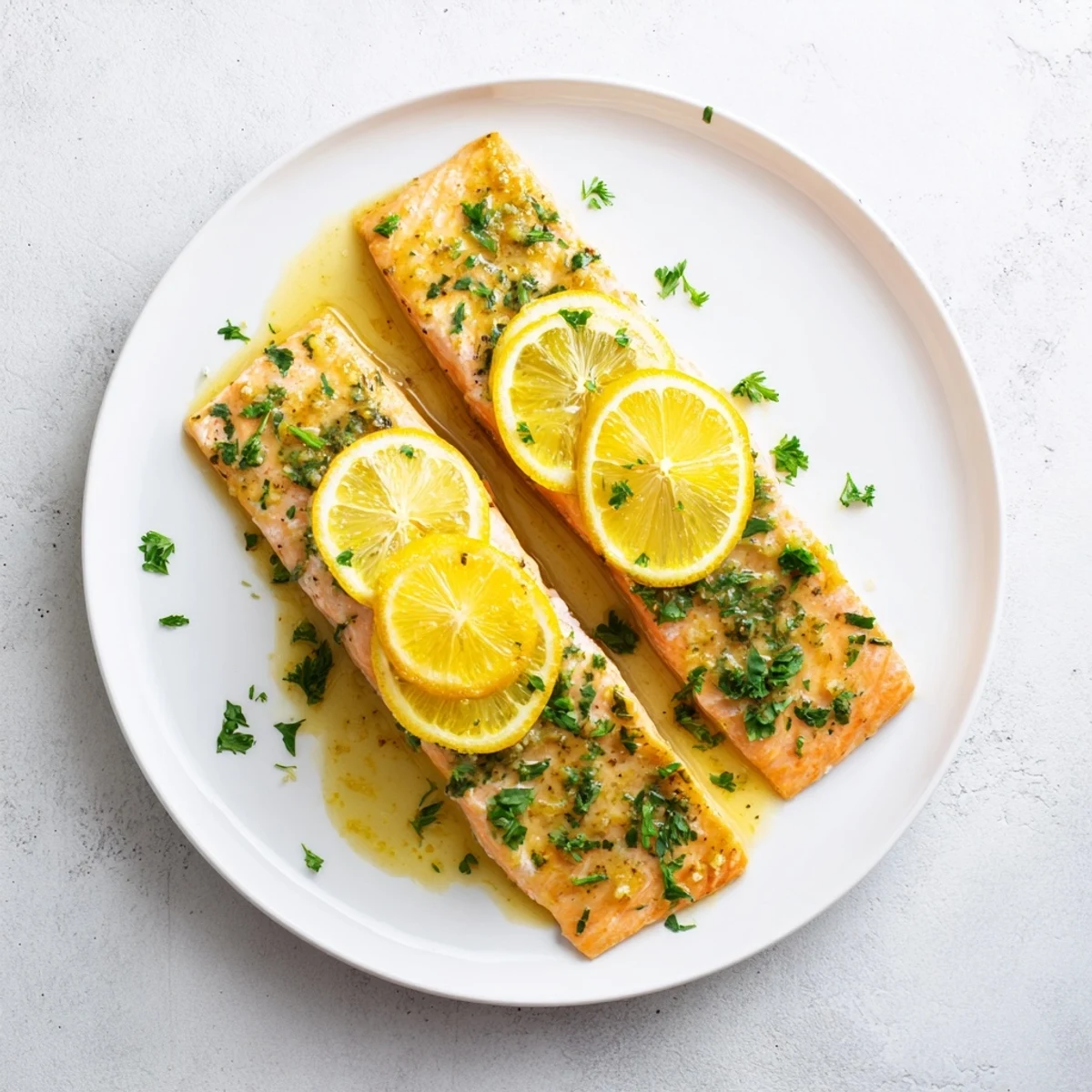
- Place fresh lemon rounds on top if you're feeling fancy—they'll roast alongside the fish and look beautiful
- Bake to perfection:
- Slide the tray into the oven for 12 to 15 minutes, checking that the salmon flakes easily with a fork but still looks moist and tender
- Finish and serve:
- Scatter fresh parsley over the hot salmon and bring it to the table immediately while the aromas are still filling your kitchen
 Pin it
 Last summer, I made this for a dinner party on the balcony, and we all ended up eating standing up because no one wanted to leave the railing to sit at the actual table. The salmon was perfect, but the company and the sunset made it one of those meals you remember for months afterward.
Mastering The Marinade
I've discovered that whisking the melted butter and olive oil together before adding the lemon juice creates a more stable emulsion. Sometimes I add a teaspoon of honey or Dijon mustard to the mixture—that tiny bit of sweetness or sharpness takes the flavor profile somewhere unexpected and wonderful.
Temperature Timing
Every oven is slightly different, so I recommend checking your salmon at the 12-minute mark and then every minute after. The fish will continue cooking slightly from residual heat even after you pull it from the oven, which is why I always err on the side of underdone rather than overdone.
Serving Suggestions
This salmon pairs beautifully with simply prepared sides that don't compete with its bright flavors. Steamed asparagus with a squeeze of lemon, roasted fingerling potatoes, or even just a generous green salad let the fish remain the star of the show.
- A crisp white wine like Sauvignon Blanc cuts through the richness beautifully
- Leftovers (if you have any) make an incredible salmon salad for lunch the next day
- For dairy-free guests, simply replace the butter with additional olive oil
 Pin it
 There's something deeply satisfying about a recipe that looks and tastes impressive but requires almost no active cooking time. This salmon has become my go-to for everything from weeknight dinners to those moments when I need to remind myself that good food doesn't have to be complicated.
Common Recipe Questions
- → How do I know when the salmon is fully cooked?
-
The salmon is ready when it flakes easily with a fork and the internal temperature reaches 63°C (145°F). The flesh should appear opaque throughout but still moist. Avoid overcooking, as the salmon will continue cooking slightly after removal from the oven.
- → Can I use frozen salmon fillets?
-
Yes, thaw frozen salmon completely in the refrigerator overnight before preparing. Pat the fillets dry with paper towels to remove excess moisture, which helps the lemon-garlic butter adhere properly and promotes even cooking.
- → What sides pair well with this baked salmon?
-
Steamed asparagus, roasted Brussels sprouts, or green beans complement the lemon flavors. For starches, try fluffy quinoa, wild rice blend, or roasted baby potatoes. A crisp arugula salad with vinaigrette provides refreshing contrast to the rich butter.
- → Can I make this dairy-free?
-
Absolutely. Replace the melted butter with additional olive oil or use dairy-free butter alternatives. The lemon-garlic-dill combination remains flavorful and the salmon cooks beautifully without dairy. Adjust salt slightly if using salt-free butter substitutes.
- → How should I store leftovers?
-
Store cooled salmon in an airtight container in the refrigerator for up to 2 days. Reheat gently in the microwave at 50% power or enjoy cold over salads. Avoid freezing, as the texture may become watery upon thawing due to the butter content.
- → Can I substitute fresh herbs for dried dill?
-
Fresh dill works beautifully—use 2 tablespoons chopped fresh dill instead of 1 teaspoon dried. Fresh parsley, tarragon, or chives also complement the lemon-garlic base. Add fresh herbs after baking to preserve their delicate flavors and vibrant color.