
 Pin it
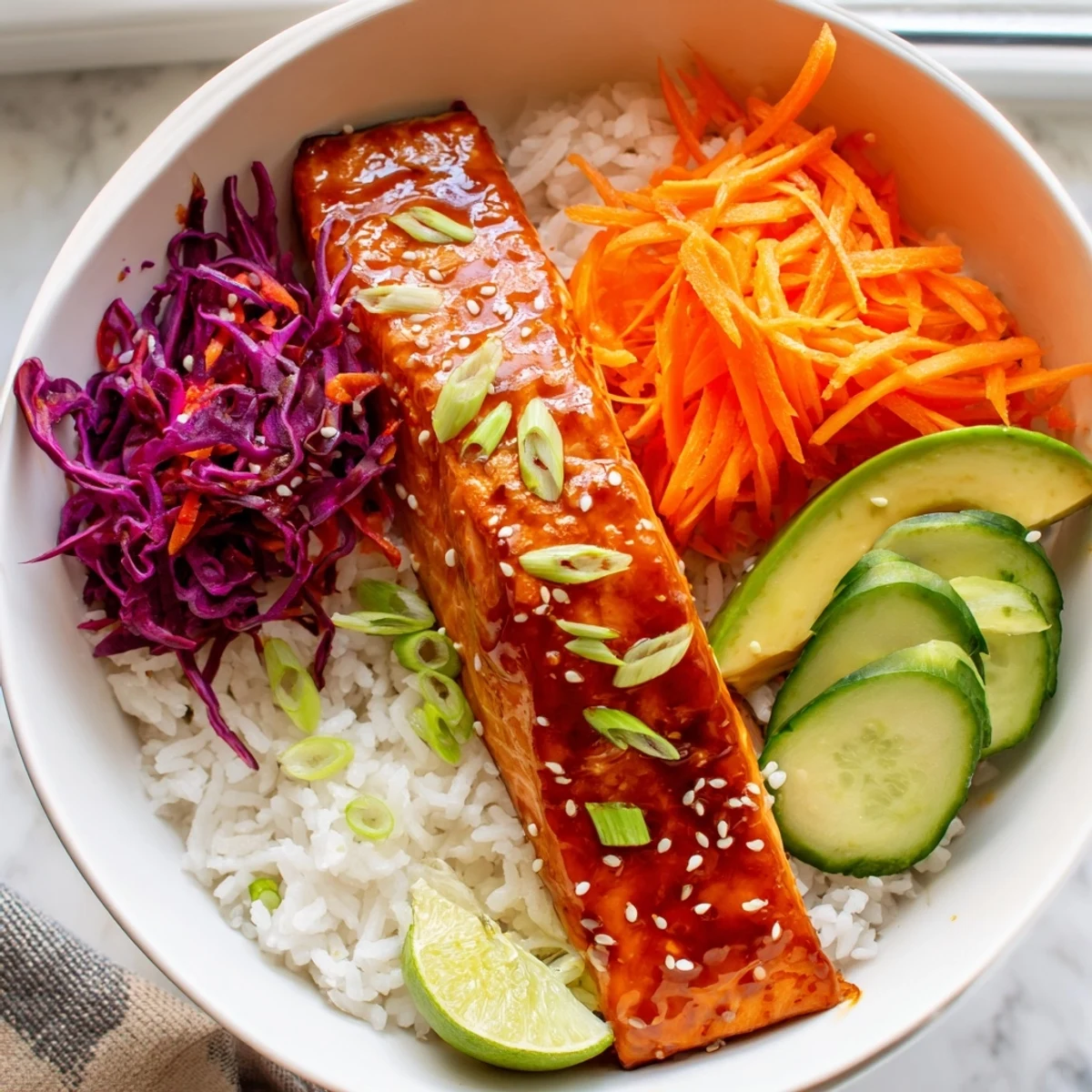
 These sriracha honey glazed salmon bowls bring together the perfect balance of sweet, spicy, and savory flavors. Tender salmon fillets are marinated in a bold glaze made from honey, sriracha, soy sauce, and sesame oil, then pan-seared until caramelized and juicy.
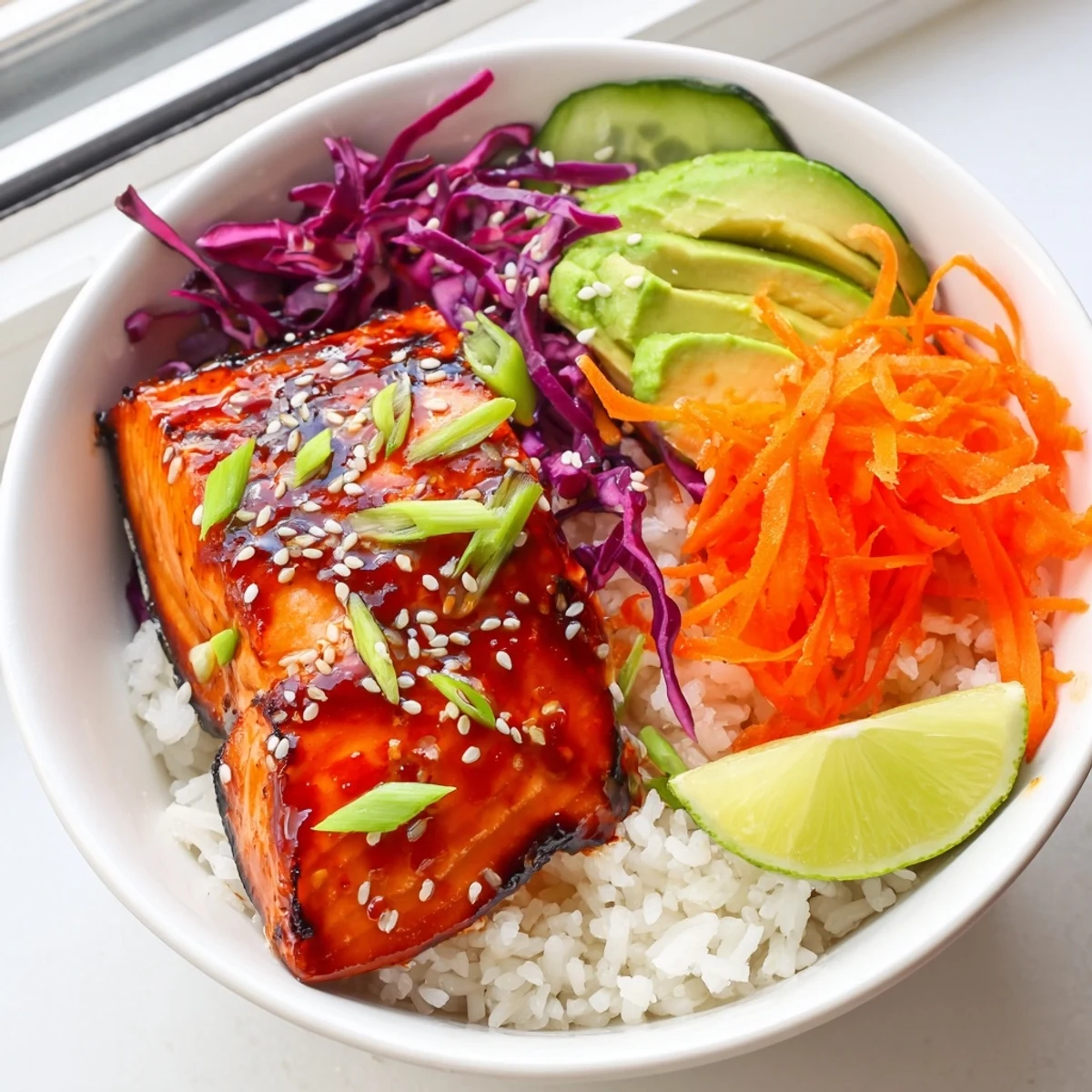
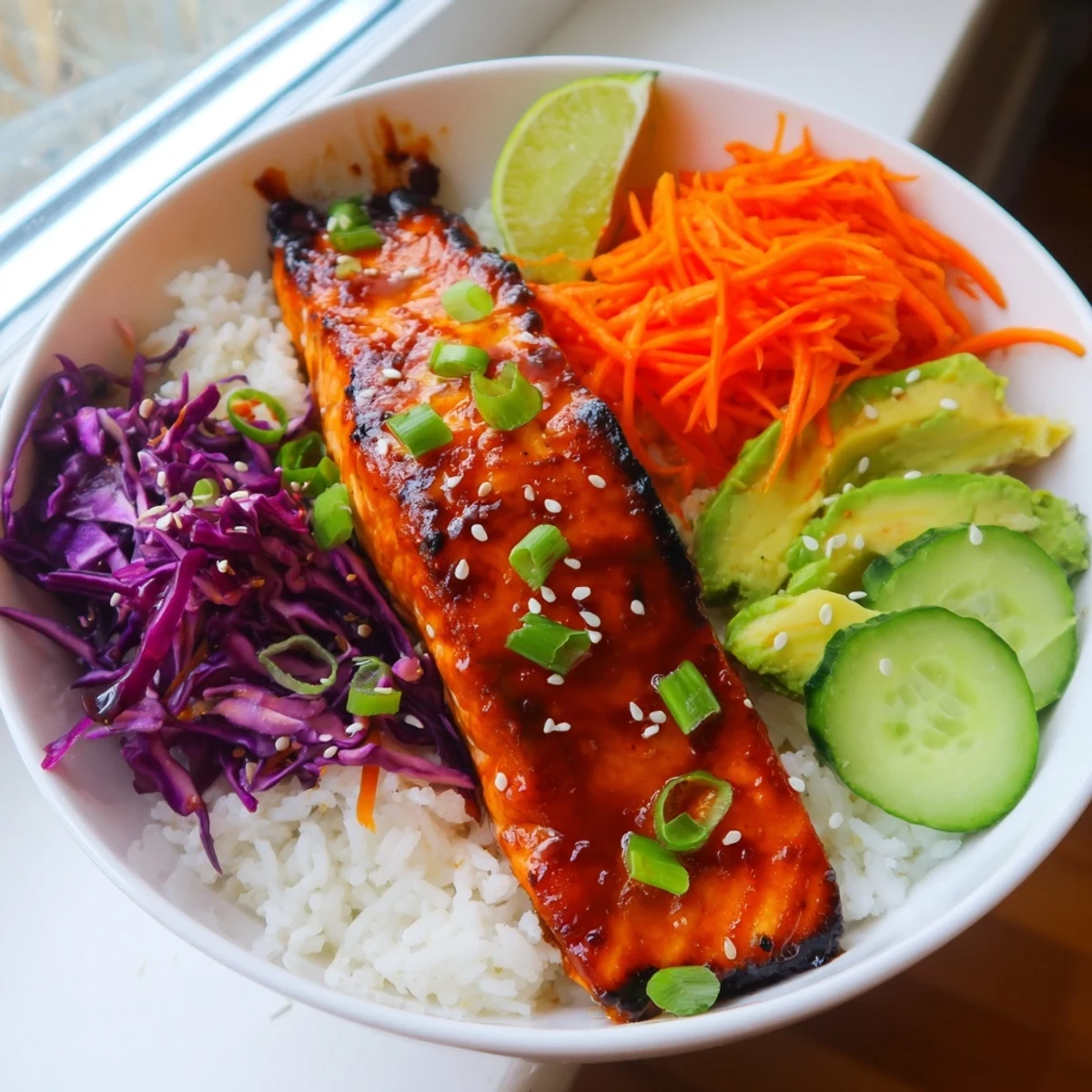
Served over fluffy jasmine rice and topped with shredded red cabbage, julienned carrots, cucumber, and creamy avocado, each bowl is a vibrant, satisfying meal. A final drizzle of the thickened glaze, a sprinkle of sesame seeds, and a squeeze of fresh lime bring everything together.
Ready in just 30 minutes with 15 minutes of prep, this easy Asian-inspired dish is perfect for busy weeknights. It's naturally dairy-free and pescatarian-friendly, serving four generously.
The exhaust fan above my stove was working overtime the evening I first tossed sriracha and honey together in a bowl and called it dinner. Steam billowed, the skillet hissed, and somewhere between flipping salmon and slicing avocado, I realized I had stumbled onto something worth repeating. The sticky, crimson glazed fillets sitting atop a bed of rice and crunchy vegetables looked like they belonged in a restaurant window, not my cramped kitchen on a Tuesday night.
My roommate walked in halfway through cooking once and stood in the kitchen doorway just breathing in the smell of garlic, ginger, and caramelized honey. She did not say a word until the bowl was in front of her, and then she looked up and muttered that I could make this every single week and she would never complain.
Ingredients
- Salmon fillets, skinless (about 150 g each): Four fillets feed a small crowd comfortably, and going skinless means the glaze sears directly onto the flesh for better caramelization.
- Honey: This is the backbone of sweetness that balances the heat, and a good runny honey will mix into the glaze effortlessly.
- Sriracha sauce: Start with two tablespoons and taste before adding more, because every brand carries a different level of fire.
- Soy sauce: Adds a salty, umami depth that rounds out the sweetness and ties the whole glaze together.
- Rice vinegar: A mild acidity that brightens the glaze and keeps it from feeling cloying.
- Sesame oil: Just a couple of teaspoons lend a nutty aroma that makes the dish taste distinctly Asian inspired.
- Garlic, minced: One clove is enough to whisper through the glaze without overpowering it.
- Fresh ginger, grated: A teaspoon of freshly grated ginger brings a warm, slightly peppery zing that powder simply cannot replicate.
- Jasmine or basmati rice, cooked: Fluffy grains are the neutral foundation that soaks up every drop of extra glaze.
- Red cabbage, shredded: Provides a satisfying crunch and a burst of color that makes the bowl visually striking.
- Carrots, julienned: Thin strips cook quickly if you prefer them slightly softened, but raw adds the best texture contrast.
- Cucumber, sliced: Cool and refreshing against the warm salmon and spiced glaze.
- Avocado, sliced: Creamy richness that tempers the heat and makes every forkful feel indulgent.
- Green onions, sliced: A sharp, fresh garnish that cuts through the sweetness at the end.
- Sesame seeds: A sprinkle adds visual appeal and a subtle toasted flavor.
- Fresh cilantro and lime wedges: Optional but highly recommended, because a squeeze of lime juice right before eating wakes everything up.
Instructions
- Whisk the glaze together:
- In a small bowl, combine the honey, sriracha, soy sauce, rice vinegar, sesame oil, minced garlic, and grated ginger, whisking until smooth and fragrant. The color should be a rich, glossy amber that smells simultaneously sweet and faintly dangerous.
- Marinate the salmon:
- Lay the fillets in a shallow dish and pour roughly half the glaze over them, turning each piece gently so every surface is coated. Let them sit for about ten minutes while you prep the vegetables, and reserve the remaining glaze for later.
- Sear the salmon:
- Heat a large nonstick skillet over medium heat and place the fillets skin side up, letting them cook undisturbed for three to four minutes until the edges turn opaque. Flip carefully and cook the other side for another three to four minutes until the fish flakes easily and the glaze has formed a sticky, caramelized crust.
- Thicken and coat:
- In the final minute, pour the reserved glaze into the skillet and let it bubble and reduce around the salmon, spooning it over the fillets so they pick up every last bit of concentrated flavor. Watch closely because the honey can go from beautifully sticky to burnt in seconds.
- Build the bowls:
- Divide the cooked rice among four bowls and arrange the shredded cabbage, julienned carrots, cucumber slices, and avocado on top in neat sections or a colorful jumble, whichever feels right. Place a glazed salmon fillet in the center of each bowl.
- Finish and serve:
- Drizzle any extra pan glaze over the bowls, then scatter with sliced green onions, sesame seeds, and fresh cilantro. Hand out lime wedges and encourage everyone to squeeze generously before that first bite.
 Pin it
 I once served these bowls on a friend's rooftop as the sun dipped below the building line, and for a few minutes nobody talked at all, just chewed and nodded and reached for another squeeze of lime.
Getting the Glaze Right
The trick is patience at the stove, letting the glaze reduce until it coats the back of a spoon like a thin syrup rather than a watery sauce. If it looks too thin, give it another thirty seconds, and if it starts to darken too fast, slide the pan off the heat immediately and let the residual warmth finish the job.
Rice and Bowl Assembly
Day old rice actually works better here because it holds its shape and absorbs the glaze without turning mushy underneath the salmon. Spread it warm across the bottom of the bowl so the vegetables have a stable bed to rest on, and do not be afraid to pile things high because half the pleasure is in the abundance.
Making It Your Own
Part of the charm of a bowl meal is how forgiving and flexible it is once you understand the basic structure of grain, protein, vegetables, and a bold sauce. Start with this version and then follow your cravings wherever they lead.
- Toss in a handful of edamame or snap peas for extra crunch and protein.
- Swap jasmine rice for brown rice or quinoa if you want something heartier and more fiber rich.
- Taste the glaze before it goes near the fish and adjust the sriracha up or down to match your personal heat tolerance.
 Pin it
 Keep this recipe in your back pocket for any night that needs a little brightness, and trust that the leftovers, if there are any, make an exceptional cold lunch the next day.
Common Recipe Questions
- → Can I use frozen salmon fillets for this dish?
-
Yes, frozen salmon works well. Thaw it completely in the refrigerator overnight before marinating and cooking. Pat the fillets dry with paper towels to ensure the glaze adheres properly and you get a good sear.
- → What can I substitute for sriracha if I want less heat?
-
You can use mild chili garlic sauce, sweet chili sauce, or a combination of ketchup and a dash of hot sauce. For a gentler version, reduce the sriracha to one tablespoon and add an extra tablespoon of honey to maintain the sweet balance.
- → How do I know when the salmon is fully cooked?
-
Salmon is done when it flakes easily with a fork and reaches an internal temperature of 145°F (63°C). The flesh should turn from translucent to opaque pink. For these fillets, 3 to 4 minutes per side over medium heat typically yields perfectly cooked, moist salmon.
- → Can I meal prep these salmon bowls ahead of time?
-
You can prepare the glaze, chop the vegetables, and cook the rice up to three days in advance. Store each component separately in airtight containers in the refrigerator. Cook the salmon fresh when ready to serve for the best texture and flavor, then assemble the bowls.
- → What other grains work well instead of jasmine rice?
-
Brown rice, quinoa, farro, or cauliflower rice all make excellent bases for these bowls. Brown rice adds a nutty flavor and extra fiber, quinoa brings protein, and cauliflower rice keeps the dish low-carb. Adjust cooking times accordingly for each grain.
- → How should I store and reheat leftovers?
-
Store leftover components separately in airtight containers in the refrigerator for up to two days. Reheat the salmon gently in a skillet over low heat or in the microwave at 50% power to avoid overcooking. Serve the fresh vegetables cold or at room temperature.