
 Pin it
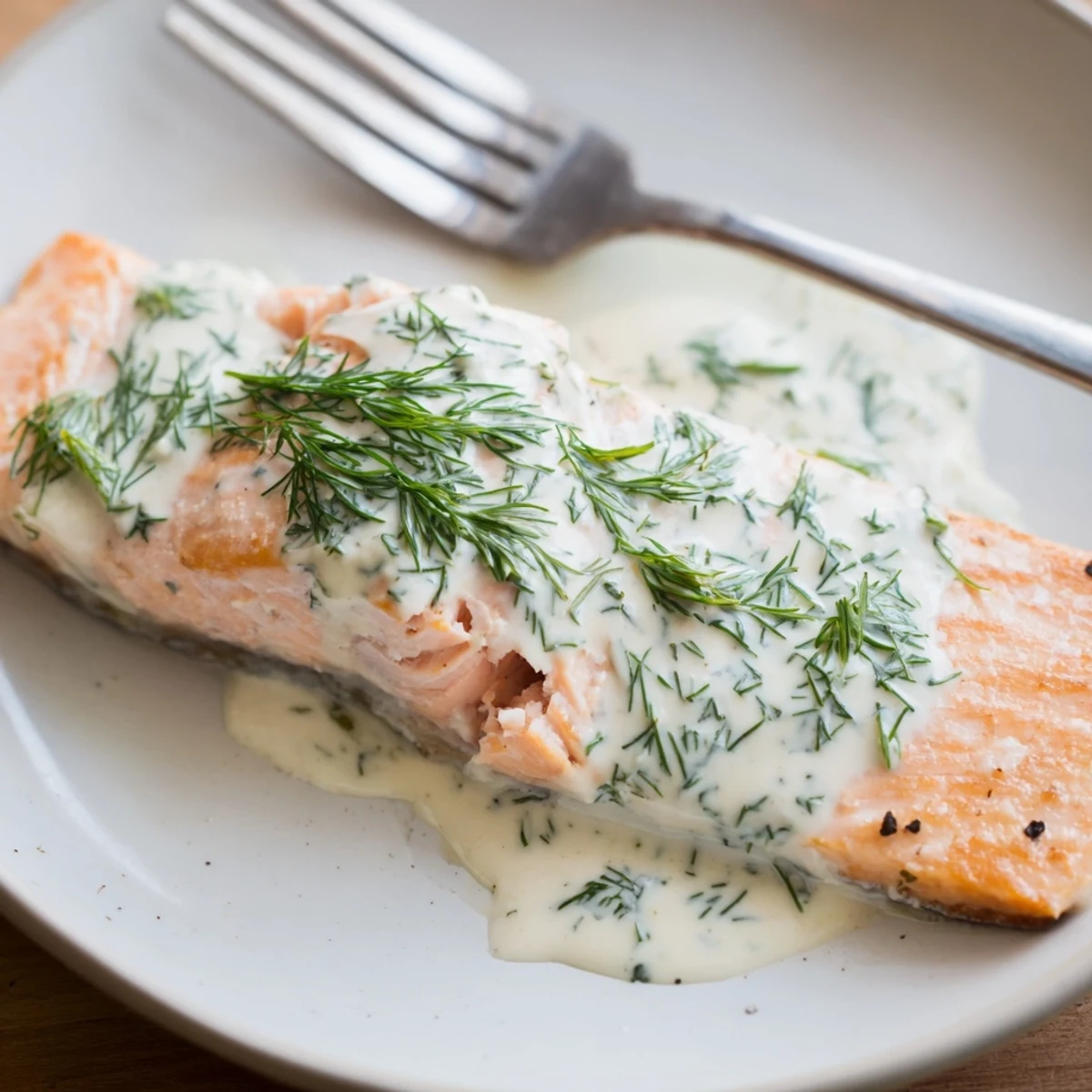
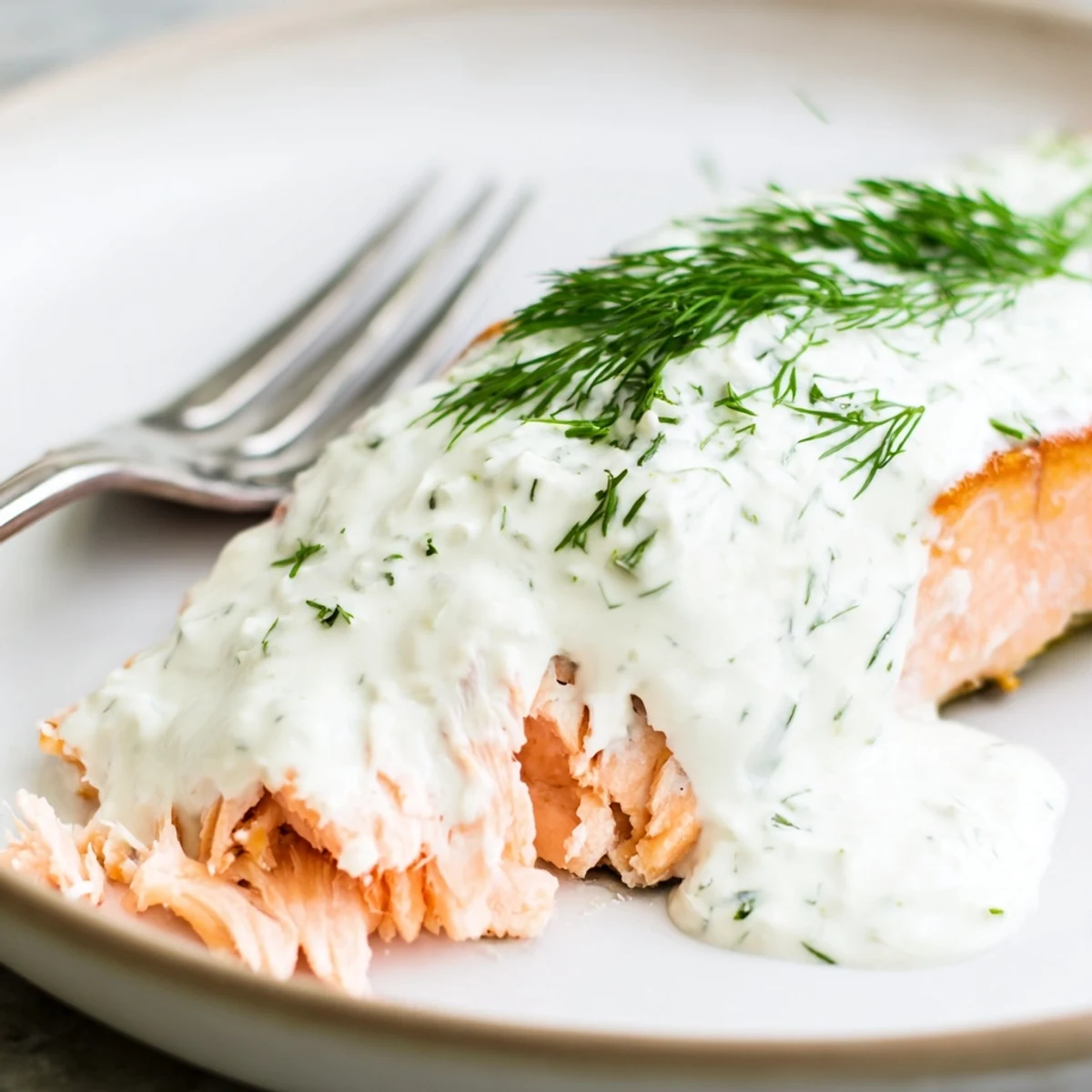
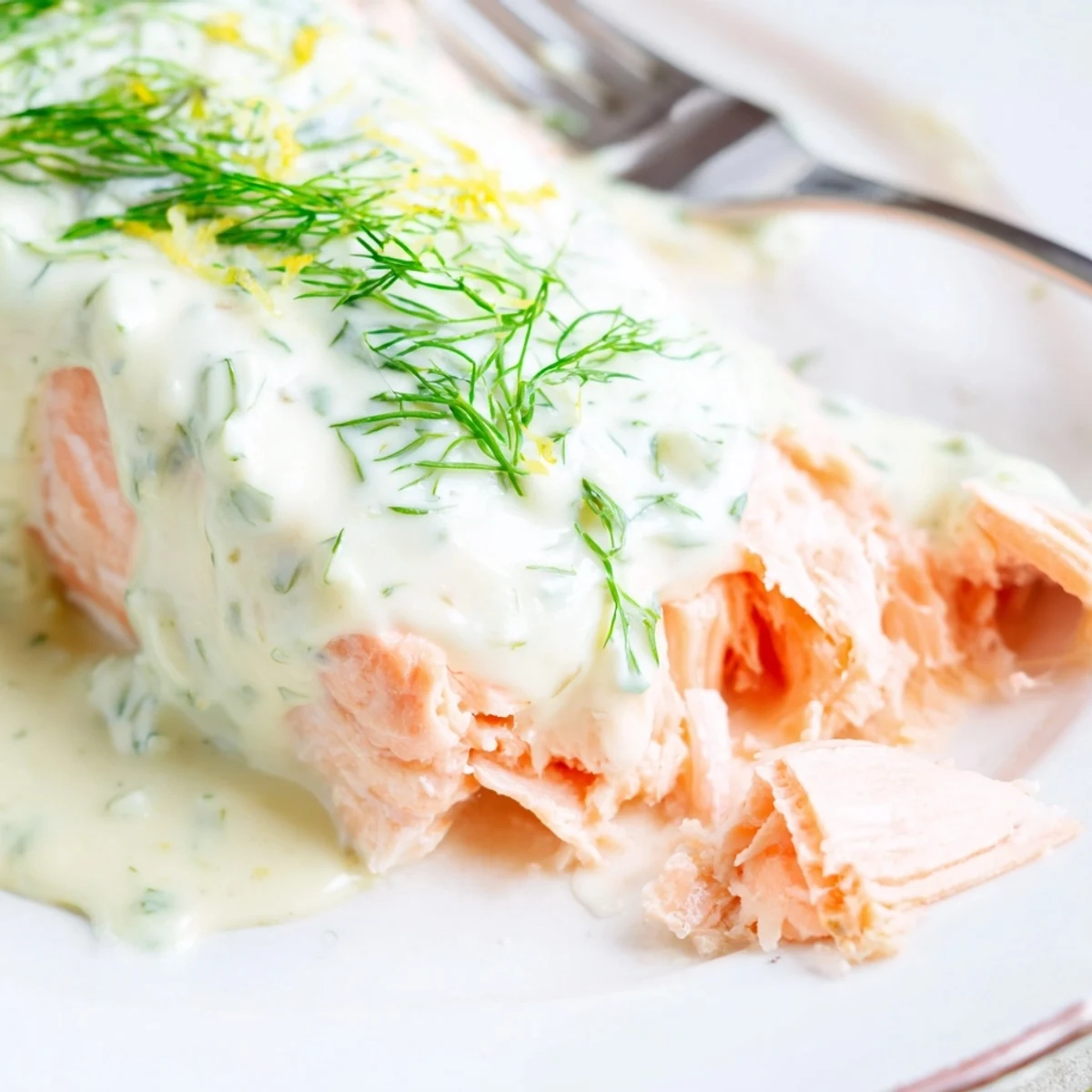
 This dish features tender, flaky salmon fillets baked until perfectly cooked and topped with a creamy sauce made from fresh lemon, dill, and a blend of sour cream and mayonnaise. The lemon zest and garlic add brightness while herbs deepen the flavor. Ideal for a quick weeknight meal or special occasion, it pairs well with roasted vegetables or steamed greens.
Preparation involves seasoning and baking the salmon then whisking a simple lemon dill sauce to complement the fish’s natural richness. The result is a balanced dish that brings freshness with depth.
I discovered this salmon recipe on a Tuesday evening when my partner came home craving something that felt fancy but wouldn't keep me in the kitchen for hours. The lemon dill sauce emerged from pantry rummaging, a happy accident of sour cream and fresh dill that somehow became the star of the plate. Now I make it on nights when I want to impress without the stress, and it never disappoints.
I remember cooking this for my sister's dinner party last spring when she mentioned her new pescatarian diet almost offhandedly. I wanted to show her that eating fish didn't mean boring, and when she took that first bite, the way her eyes lit up at the sauce made the whole evening feel like a small victory. She asked for the recipe before dessert was even served.
Ingredients
- Salmon fillets (6 oz each): Look for fillets that feel firm and smell briny, not fishy. Skin-on helps them hold together, but skinless works beautifully too if that's what you prefer.
- Olive oil: A good drizzle keeps the fish moist and golden. Don't skip this step.
- Salt and black pepper: Quality matters here since these two seasoning everything. Fresh ground pepper makes a real difference.
- Lemon slices: These infuse the fish with brightness as it bakes and look gorgeous on the plate.
- Sour cream or Greek yogurt: Sour cream gives richness, but Greek yogurt makes it lighter if that's your mood. Either works perfectly.
- Mayonnaise: This seems like an odd addition, but it creates that silky, emulsified sauce without needing to cook anything.
- Fresh lemon juice and zest: Bottled juice is fine, but fresh zest from a real lemon transforms the sauce into something bright and alive.
- Fresh dill: This is the soul of the sauce. If you can't find fresh, dried works, but use half the amount.
- Garlic clove: Just one, minced tiny. Too much overpowers the delicate sauce.
Instructions
- Prepare your stage:
- Preheat the oven to 400°F and line your baking sheet with parchment paper or a quick spray of nonstick. This prevents the salmon from sticking and makes cleanup a breeze.
- Season and arrange:
- Place your salmon fillets on the sheet, drizzle with olive oil, and season generously with salt and pepper. Top each with a lemon slice and let it sit for a moment while the oven finishes heating, letting the flavors start to meld.
- Bake to flaky perfection:
- Bake for 12 to 15 minutes until the salmon flakes easily when you test it with a fork and registers 145°F internally. The fish should be opaque throughout, not translucent, and the edges will just start to curl slightly.
- Whisk the sauce together:
- While the salmon bakes, combine sour cream or Greek yogurt, mayonnaise, lemon juice, lemon zest, dill, minced garlic, salt, and pepper in a small bowl. Whisk until smooth and creamy, tasting as you go to adjust lemon or dill to your liking.
- Plate and sauce:
- Once the salmon emerges from the oven, place each fillet on a plate and spoon the sauce generously over the top, or serve it on the side for dipping. Garnish with extra fresh dill or a lemon wedge if you want that final flourish.
 Pin it
 There's something about serving this dish that makes people feel cared for. It's elegant enough that guests think you spent all afternoon cooking, yet casual enough that you were done in half an hour. That combination of effort and ease is exactly why I keep coming back to it.
Choosing Your Salmon
Not all salmon is created equal, and I learned this the hard way after buying pale, mushy fillets from the wrong part of the case. Look for salmon with a vibrant orange color and flesh that springs back when you touch it gently. If you can smell it, it should smell clean and ocean-like, never ammonia-tinged. Wild salmon has more flavor but farmed is fine and usually more affordable. I've made this recipe both ways and both are delicious.
Building Flavor Layers
The magic of this dish lives in how the flavors build on each other. The lemon slice on top of the fish infuses it from above while the olive oil carries salt deep into the flesh below. The sauce adds a creamy, herby note that makes you want to scrape the plate clean. Each component is simple, but together they create something that tastes way more complicated than it actually is.
Serving and Pairing Ideas
I serve this with roasted vegetables like asparagus or broccoli, or sometimes with a simple side of rice to soak up extra sauce. A crisp white wine like Sauvignon Blanc or Pinot Grigio is perfect alongside it, but honestly, this dish is forgiving enough to pair with whatever you have open. It's equally good served warm fresh from the oven or at room temperature, which makes it great for meal prep or casual entertaining.
- Roasted asparagus with a crack of sea salt is my go-to vegetable side.
- A simple arugula salad with lemon vinaigrette adds freshness without competing with the sauce.
- If you want something heartier, buttered new potatoes or wild rice are wonderful choices.
 Pin it
 This recipe sits in that perfect sweet spot where it feels special but never stressful, which is exactly when good home cooking happens. Make it for someone you want to impress, or make it for yourself on a night when you deserve something good.
Common Recipe Questions
- → How do I know when the salmon is perfectly cooked?
-
The salmon flakes easily with a fork and reaches an internal temperature of 145°F (63°C) when done.
- → Can I use dried dill instead of fresh?
-
Yes, dried dill works well, but fresh dill will provide more vibrant flavor.
- → What could I serve alongside this dish?
-
Roasted vegetables, steamed asparagus, or a side of rice complement the flavors nicely.
- → Is sour cream required for the lemon dill sauce?
-
Sour cream adds creaminess, but Greek yogurt is a lighter alternative with similar texture.
- → How can I make the lemon dill sauce ahead of time?
-
Prepare the sauce in advance and refrigerate it up to 24 hours, then bring to room temperature before serving.