
 Pin it
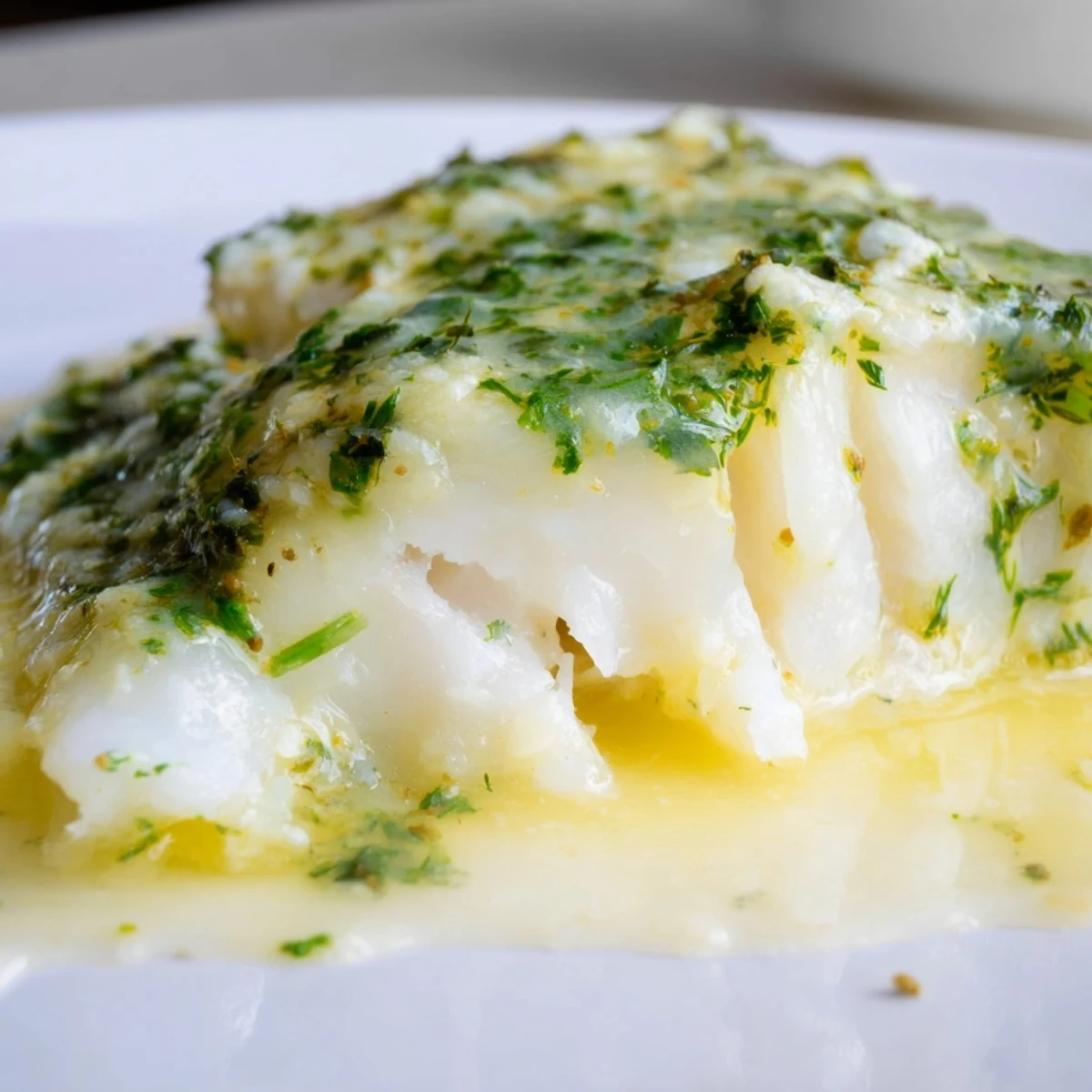
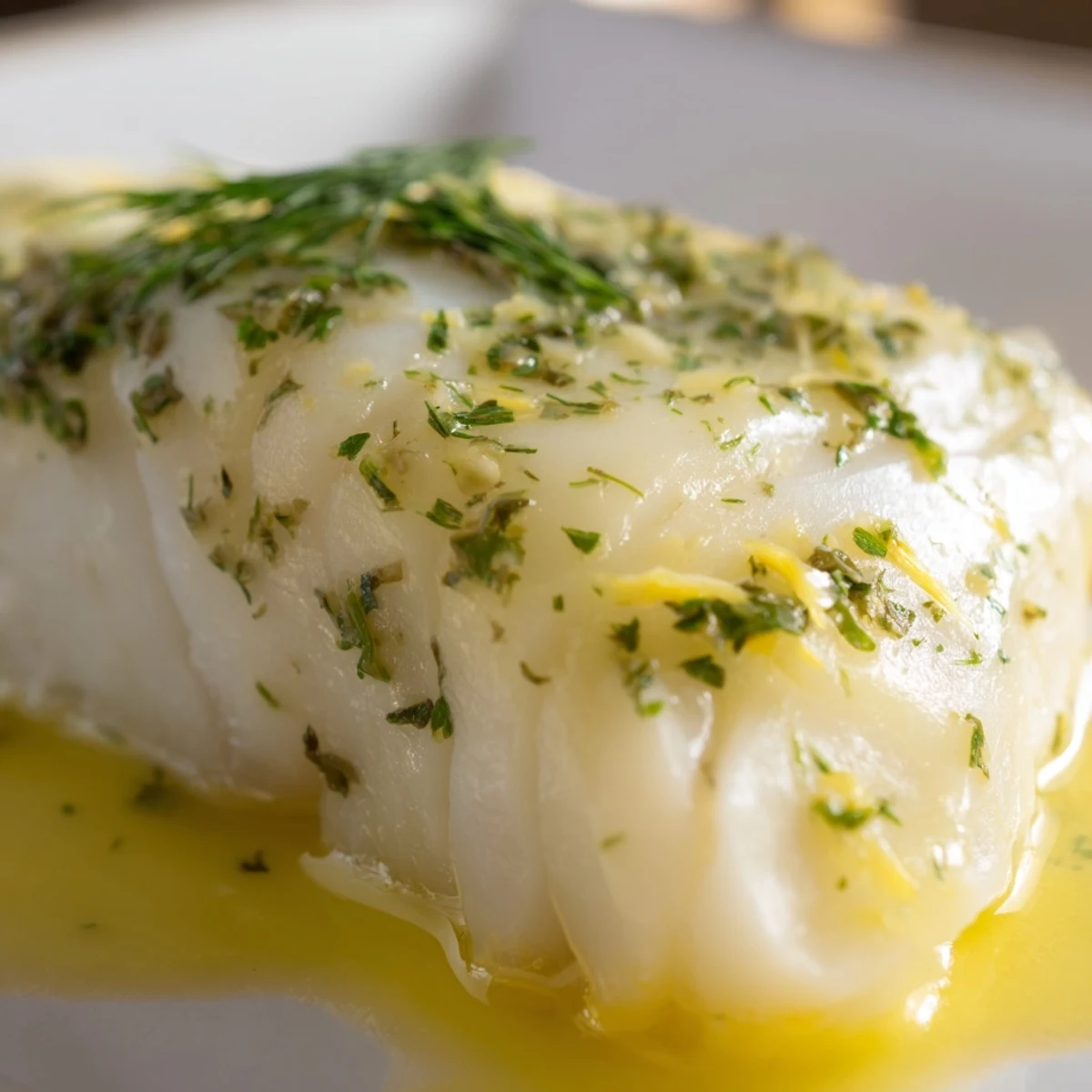
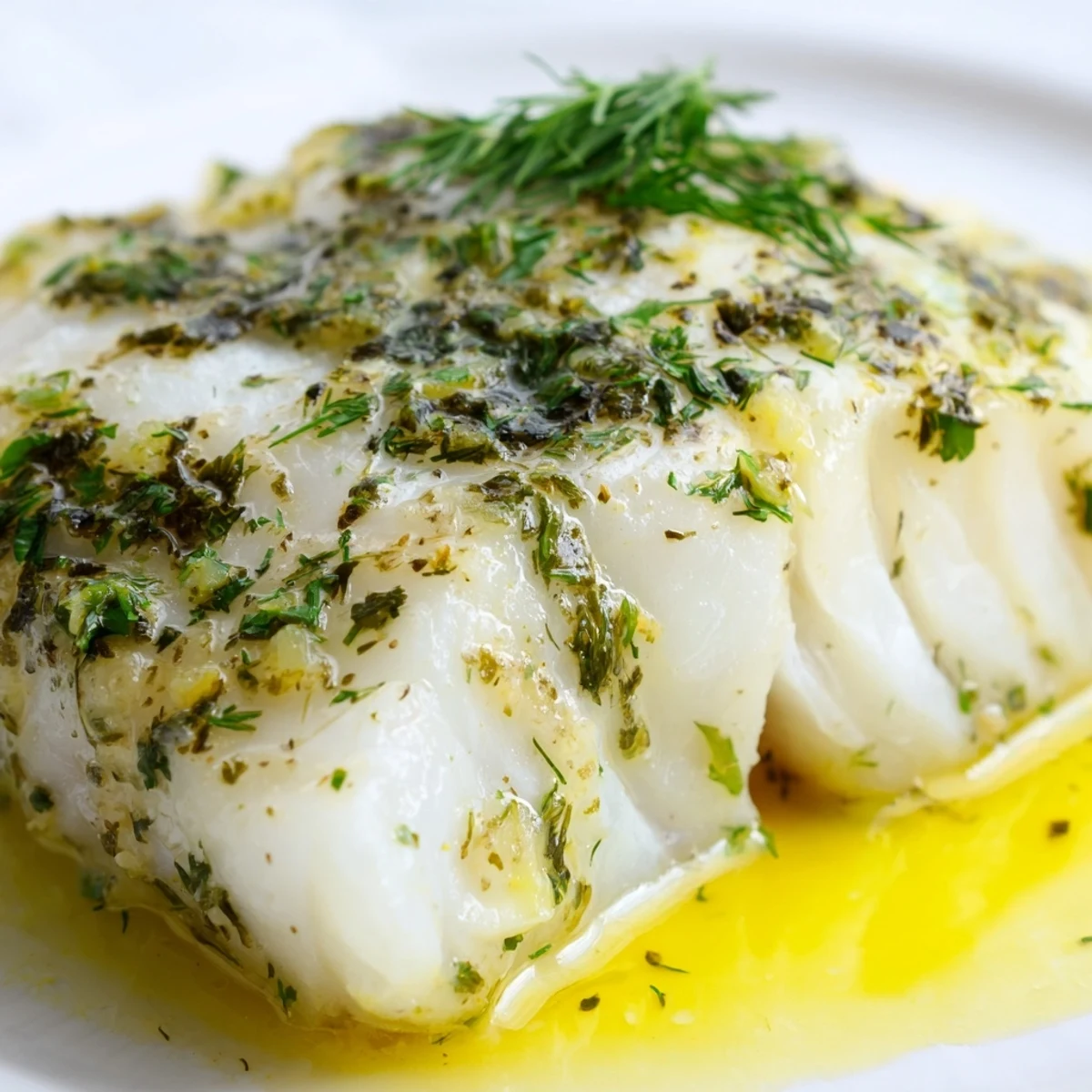
 Preparation involves mixing softened butter with fresh parsley, dill, chives, garlic, and lemon zest. Seasoned cod fillets are topped generously with this zesty mixture and baked at 200°C until the fish is opaque and flakes easily. This method yields a moist, flavorful main course that is elegant yet simple enough for a weeknight dinner.
There's something almost meditative about watching herb butter melt into white fish—the way the kitchen fills with that bright, garlicky perfume, how the fillets turn from pale to golden. I discovered this recipe during a quiet Tuesday evening when I had fresh cod and a windowsill of herbs that needed using, nothing more ambitious than that. Twenty minutes later, dinner was done, and my partner kept asking for the recipe. It's become my go-to when I want to feel like I've cooked something special without the stress.
I remember bringing this to a dinner party where someone else was handling the main course, and I nervously offered it as a side option—but it became the thing everyone talked about. One guest who'd always been skeptical about home-cooked fish asked for seconds. That's when I realized how powerful simplicity could be.
Ingredients
- Cod fillets (4, about 170 g each): Look for fillets that are similar in thickness so they cook evenly; thinner edges will stay tender while thicker centers finish perfectly.
- Unsalted butter (75 g): Softened butter blends smoothly with herbs and won't split when it hits the heat; cold butter will clump.
- Fresh parsley (2 tablespoons): The backbone of the herb blend, bright and forgiving even if you don't have everything else.
- Fresh dill (1 tablespoon): Its delicate, slightly sweet flavor pairs naturally with white fish in a way dried dill absolutely cannot match.
- Fresh chives (1 tablespoon): A gentle onion note that ties everything together without overpowering.
- Garlic clove (1, minced): One clove is all you need; more will bully the delicate fish.
- Lemon zest (1): The zest alone adds brightness where juice would add wetness you don't want on raw fish.
- Lemon juice (1 tablespoon): This keeps the butter from feeling too rich and cuts through any fishiness.
- Olive oil (1 tablespoon): Just enough to prevent sticking without adding competing flavor.
- Salt and black pepper: Season the fish before the butter goes on so it penetrates.
Instructions
- Heat your oven and prep your dish:
- Set the oven to 200°C (400°F)—this temperature is hot enough to cook the fish through gently without drying it out. Lightly oil your baking dish so the fillets slide around a little, staying moist.
- Dry your fish:
- Pat each fillet with paper towels until they feel almost papery to the touch. Moisture is the enemy of crispy edges and even cooking.
- Season simply:
- A light pinch of salt and pepper on both sides is all you need right now; the herb butter will add flavor.
- Make your herb butter:
- Combine softened butter with all the herbs and lemon zest in a small bowl, stirring until the color is speckled green and everything feels evenly mixed. This is where the magic lives.
- Assemble and bake:
- Lay the fillets in the dish and spread about a tablespoon of herb butter over each one, pushing it gently into any crevices. Slide into the oven for 15–20 minutes until the thickest part flakes easily with a fork—it'll be opaque and just beginning to look cooked through.
- Finish and serve:
- Plate immediately while everything is hot and the butter is still glossy. A squeeze of fresh lemon and a scatter of extra herbs if you're feeling fancy.
 Pin it
 This dish became proof that my family actually liked what I cooked, not just what they tolerated. It's silly to remember a meal that way, but there it is.
Why Fresh Herbs Matter Here
Dried herbs would taste dusty against something this delicate; they'd remind you that you're eating reconstituted botanicals instead of tasting actual dill. The fresh versions have moisture and brightness that dry can't touch. If you don't have all three herbs, use what you have—two out of three is better than reaching for the spice cupboard.
Choosing Your Fish
Cod is forgiving because its flakes are large and its flavor is mild enough not to fight the herbs. Haddock and halibut work beautifully too. The real trick is asking your fishmonger which white fish came in today and trusting their suggestion—they know what's fresh better than any recipe can predict.
What to Serve Alongside
This doesn't need much because the herb butter is already doing the heavy lifting. Steamed new potatoes soak up the butter sauce without competing for attention. Roasted asparagus or green beans add color and a clean contrast. If you want carbs, rice pilaf or crusty bread for soaking works, but honestly, the fillets and their buttery pool are enough.
- Pair with a crisp white wine or just cold water—let the fish shine.
- Leftover herb butter (if somehow there is any) will keep in the fridge for up to two days and transforms toast, vegetables, or tomorrow's grilled chicken.
- Don't skip the final squeeze of lemon at the table; it's not garnish, it's part of the dish.
 Pin it
 This is the kind of recipe you'll come back to dozens of times because it works every single time. It's how cooking should feel.
Common Recipe Questions
- → What temperature should I bake the cod?
-
Preheat the oven to 200°C (400°F) to ensure the fish cooks evenly and remains moist.
- → How do I know when the cod is done?
-
The cod is ready when it turns opaque throughout and flakes easily with a gentle press of a fork.
- → Can I use other types of fish?
-
Yes, white fish like haddock or halibut works well as a substitute for cod in this preparation.
- → Can I make the herb butter ahead of time?
-
You can mix the herbs and butter up to two days in advance and keep it refrigerated until ready to use.
- → What sides pair well with this dish?
-
Steamed vegetables, fluffy rice, or boiled new potatoes complement the rich buttery flavors perfectly.