
 Pin it
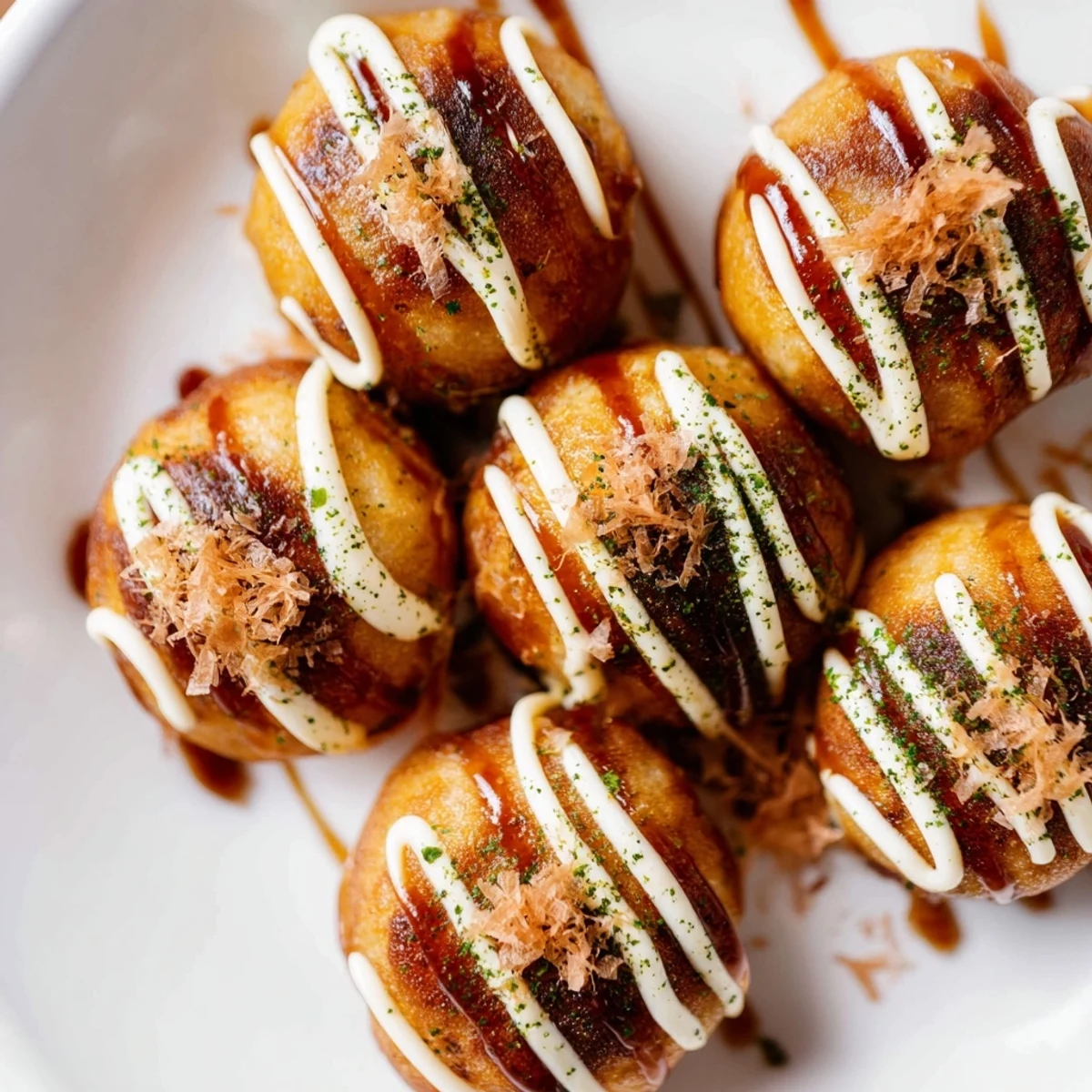
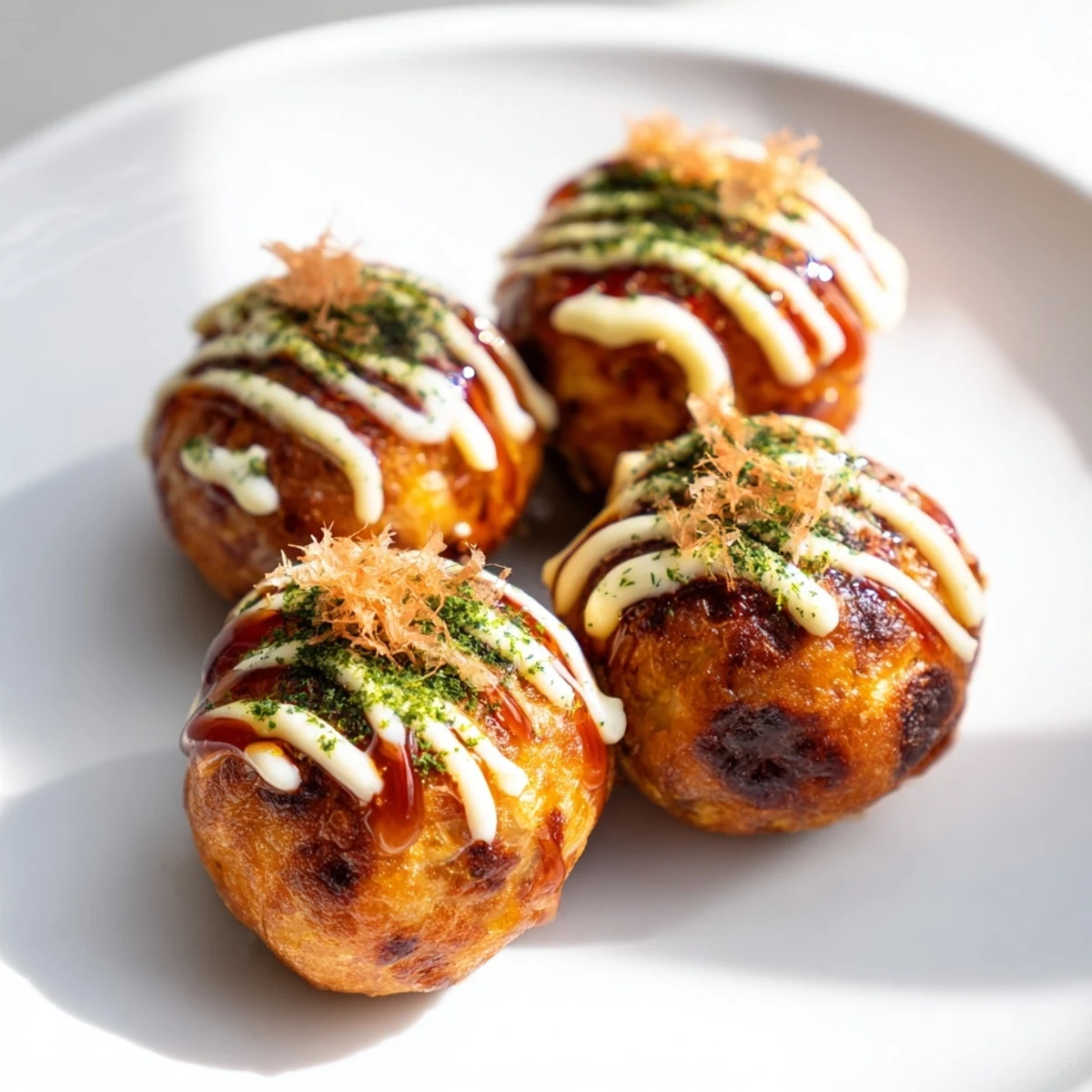
 Takoyaki are beloved Japanese street food snacks featuring crispy golden batter spheres filled with tender octopus pieces, crunchy tenkasu tempura scraps, zesty pickled ginger, and fresh green onions. The batter is whisked smooth with dashi stock and cooked in a specialized pan, constantly turned with skewers to achieve perfectly round shapes. Serve these piping hot morsels drizzled with sweet-savory takoyaki sauce and creamy Japanese mayonnaise, finished with dancing bonito flakes and aromatic aonori seaweed for that authentic street food experience.
The first time I watched a street vendor in Osaka make these, I was mesmerized by how quickly his hands moved. The bonito flakes danced on top of the golden balls like they were alive, and the sweet-savory smell made my stomach growl instantly. I bought three servings that night and ate them while walking through the neon-lit streets, burning my tongue because I couldn't wait for them to cool down. That's when I knew I had to master the art of turning batter into perfect spheres.
Last summer, my friends came over for what I called a takoyaki experiment night. We crowded around the stove, taking turns with the skewers, laughing at our lopsided attempts and celebrating the rare perfect sphere. The ones that didn't quite make the cut still disappeared just as fast, proving that imperfect takoyaki is better than no takoyaki at all. Now it's become our go-to gathering food whenever we want something fun and interactive.
Ingredients
- All-purpose flour: Creates the base structure and helps the balls hold their shape while staying tender inside
- Large eggs: Bind everything together and add richness to the batter
- Dashi stock: The secret ingredient that gives authentic Japanese flavor, though water with a splash of soy sauce works in a pinch
- Cooked octopus: Traditional filling that adds briny depth and a satisfying chewy texture
- Tenkasu: These crunchy tempura bits create pockets of crispy texture throughout each ball
- Pickled red ginger: Adds bright acidity that cuts through the rich batter
- Green onions: Fresh bite that balances the savory elements
- Takoyaki sauce: Sweet and tangy glaze that's essential for the full experience
- Japanese mayonnaise: Creamy topping that adds a rich, tangy finish
- Aonori: Dried seaweed flakes bring ocean flavor and visual appeal
- Bonito flakes: Smoky, fishy garnish that curls beautifully on the hot balls
Instructions
- Make the batter:
- Whisk flour, eggs, dashi stock, soy sauce, and salt until completely smooth and lump-free. The consistency should be thin like crepe batter, not thick like pancake batter.
- Heat the pan:
- Preheat your takoyaki pan over medium heat and oil each well thoroughly. The oil should shimmer but not smoke when you're ready to pour.
- Add fillings:
- Pour batter to the top of each well, then drop in octopus, tenkasu, ginger, and green onions. Don't be shy with the fillings.
- Wait and turn:
- Let cook 1 to 2 minutes until edges set, then use skewers to turn each ball 90 degrees. Uncooked batter will spill out and start cooking.
- Keep turning:
- Continue rotating every 1 to 2 minutes until golden and crisp on all sides, about 8 to 10 minutes total. The balls should hold their shape.
- Finish and serve:
- Remove from pan while piping hot, then drizzle with sauce and mayonnaise. Sprinkle generously with aonori and bonito flakes.
 Pin it
 My daughter now requests these for her birthday dinner every year. She's become better at the turning technique than I am, and there's something special about passing this skill down to the next generation. The way her face lights up when the bonito flakes start dancing on top makes all the burnt batches worth it.
Finding the Right Equipment
A traditional cast-iron takoyaki pan distributes heat most evenly, but an electric pan works well for beginners. I've heard people have success with aebleskiver pans or even cake pop makers in a pinch. The key is getting those round indentations that help shape the batter as it cooks.
Making the Sauce from Scratch
If you can't find takoyaki sauce, mix Worcestershire sauce with ketchup and a dash of soy sauce and sugar. It won't be exactly the same, but it captures that sweet-tangy essence. I keep small jars of pre-made sauce in my refrigerator for when the craving strikes unexpectedly.
Getting the Perfect Turn
The turning technique takes practice, and my first attempts looked more like messy scrambled eggs than perfect spheres. Start with a gentle jab under the edge, then quickly rotate your wrist to flip the batter over itself. Work quickly and confidently because hesitation leads to broken balls.
- Keep a small bowl of oil nearby to re-grease wells between batches
- Two skewers give you more control than just one
- Don't worry about perfection, they'll still taste delicious
 Pin it
 There's something joyous about gathering around a hot pan, taking turns, and eating together as soon as each batch is ready. Food tastes better when it's a shared experience, especially when it's this fun to make.
Common Recipe Questions
- → What is takoyaki made of?
-
Takoyaki consists of a smooth batter made from flour, eggs, and dashi stock, filled with diced octopus, tenkasu tempura scraps, pickled ginger, and green onions. The finished spheres are topped with takoyaki sauce, mayonnaise, aonori seaweed, and bonito flakes.
- → Can I make takoyaki without a special pan?
-
While a traditional takoyaki pan works best, you can substitute with an aebleskiver pan or cake pop maker. These alternatives have similar round wells that can produce the spherical shape, though cooking times may vary slightly.
- → How do I get takoyaki perfectly round?
-
The key is pouring batter to fill each well completely, then using skewers or chopsticks to turn the spheres 90 degrees every 1-2 minutes. This allows uncooked batter to flow out and form the round shape while cooking evenly on all sides.
- → What can I substitute for octopus?
-
Cooked shrimp, squid, or even mushrooms make excellent alternatives to octopus. These substitutions maintain the seafood flavor profile while accommodating different preferences or ingredient availability.
- → Why are my takoyaki not crispy?
-
Ensure your pan is properly preheated over medium heat before adding batter. Don't overcrowd the pan, and make sure to turn frequently to allow all sides to brown evenly. Serving immediately after cooking also ensures the crispiest texture.