
 Pin it
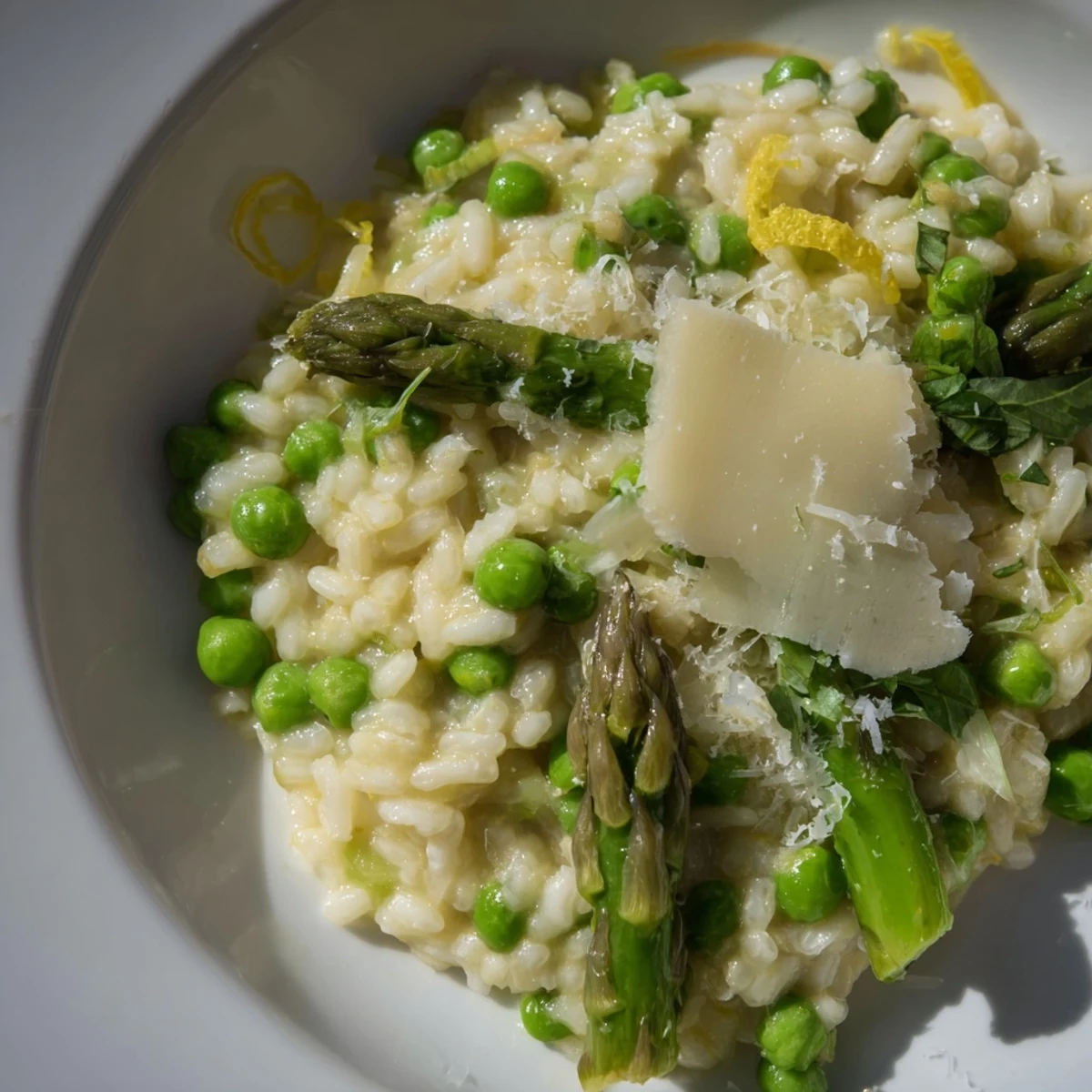
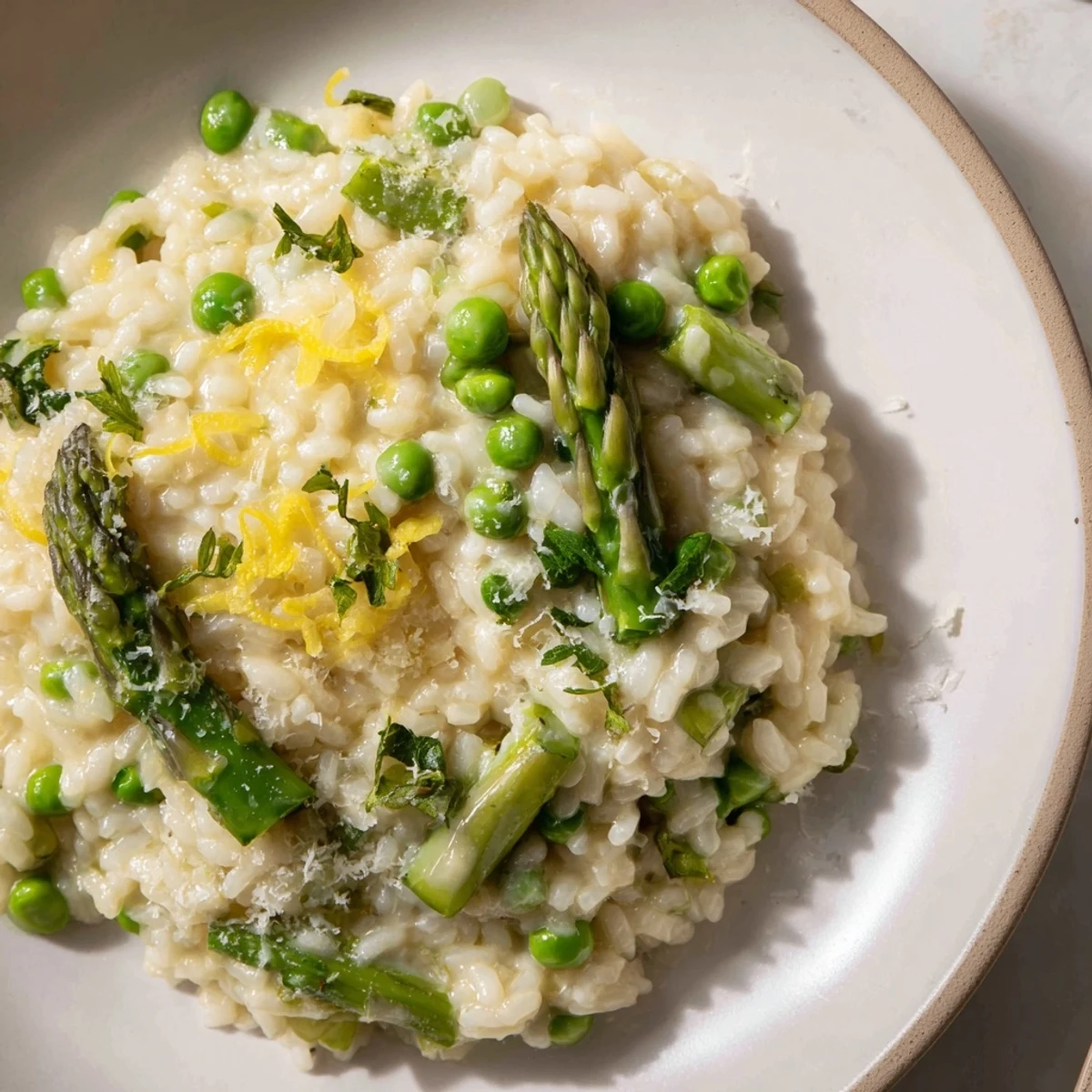
 This creamy risotto highlights tender asparagus and sweet spring peas simmered with arborio rice and infused with lemon zest. Gently cooked with vegetable broth and white wine, it creates a smooth, vibrant dish perfect for a light yet satisfying meal. Finished with Parmesan and butter, it offers rich texture and fresh flavors. Ideal for vegetarian or gluten-free dining, this risotto combines simple ingredients for a flavorful Italian-inspired experience.
The first time I made risotto, I stood at the stove stirring for what felt like hours, convinced Id done something wrong because it kept looking so loose. Then suddenly, like magic, it transformed into this creamy, luxurious dish that made the whole evening feel special. This spring version became my go to when I want something that tastes fancy but comes together in under an hour.
Last April my sister came over for a long overdue catch up dinner. I made this risotto while she told me about her new job, and we ended up eating standing at the counter because neither of us wanted to wait for a proper table. Something about that meal, the way the bright green vegetables popped against the creamy rice, made it feel like spring had finally arrived after a gray winter.
Ingredients
- 1 cup fresh or frozen spring peas: Fresh peas are sweeter and worth seeking out at farmers markets, but frozen work beautifully year round and need no prep
- 1 bunch asparagus: Choose spears that feel firm and tight, and snap off the woody ends rather than cutting them to find exactly where the tender part begins
- 1 small yellow onion: Finely diced so it melts into the rice, providing a sweet foundation without distracting from the vegetables
- 2 cloves garlic: Minced fresh adds that aromatic baseline that makes everything taste more vibrant
- Zest of 1 lemon: This bright finish wakes up the whole dish and makes the spring vegetables sing
- 1 1/2 cups arborio rice: The high starch content is what creates that signature creamy texture without actually needing cream
- 4 cups vegetable broth: Keep it warm in a separate pot so adding cold broth doesnt shock the rice and interrupt the cooking process
- 1/2 cup dry white wine: Use something you would actually drink because the flavor concentrates as it cooks off
- 3 tablespoons unsalted butter: Divided use lets you build layers of richness throughout the cooking process
- 1/2 cup freshly grated Parmesan cheese: Grate it yourself right before adding for the best melt and flavor
- 2 tablespoons heavy cream: Optional, but I love how it brings everything together into that restaurant style consistency
- 2 tablespoons extra virgin olive oil: Provides the cooking fat foundation and adds a lovely fruitiness
- Salt and freshly ground black pepper: Taste at the end since the cheese and broth both add saltiness
- 2 tablespoons chopped fresh parsley: A final sprinkle of color that makes the dish look as fresh as it tastes
Instructions
- Build your flavor foundation:
- Heat the olive oil and 1 tablespoon butter in a large saucepan over medium heat, then add the onion and cook until translucent, about 3 minutes. Add the garlic and cook for just 30 seconds until fragrant, being careful not to let it brown.
- Toast the rice:
- Stir in the arborio rice and cook for 2 minutes, until the grains are lightly toasted and you can see a tiny white dot in the center of each grain. This toasting step is what helps the rice hold its texture while still becoming creamy.
- Deglaze with wine:
- Pour in the white wine and stir until fully absorbed, scraping up any flavorful bits from the bottom of the pan. The kitchen will start smelling amazing right about now.
- Begin the gradual broth addition:
- Add the warm vegetable broth one ladle at a time, stirring frequently and allowing each addition to be mostly absorbed before adding the next. This slow process is what coaxes the starch out of the rice and creates that luxurious texture.
- Add the asparagus:
- After about 10 minutes of cooking, add the asparagus pieces and continue adding broth and stirring. The asparagus needs just enough time to become tender while still retaining its bright color.
- Finish with the remaining ingredients:
- When the rice is just tender and creamy, stir in the peas, lemon zest, remaining butter, Parmesan cheese, and heavy cream if using. Cook for 2 to 3 minutes more until the peas are bright green and heated through.
- Rest before serving:
- Season with salt and pepper to taste, remove from heat, cover, and let rest for 2 minutes. This brief rest lets the rice settle and the flavors meld together beautifully.
- Serve with love:
- Serve hot, garnished with fresh parsley and extra Parmesan if desired. Put the bowl on the table and let people help themselves to seconds.
 Pin it
 This recipe became my daughters most requested birthday meal after I made it on a particularly rainy Tuesday. Something about the bright colors and comfort food energy makes it feel like a celebration, no matter the occasion.
The Art of Stirring
I used to think you had to stir risotto constantly, which made my wrist ache and feel like I was trapped at the stove. Then an Italian friend told me that frequent stirring is what matters, not constant stirring, which freed me up to sip wine and actually enjoy the process.
Vegetable Timing
Adding the asparagus midway through cooking instead of at the beginning was a game changer for me. The peas go in last because they only need a few minutes to heat through, keeping them sweet and bursting instead of mushy and sad.
Making It Your Own
Sometimes I add a handful of fresh mint or basil at the end for an extra layer of spring brightness. Other times, when I want something more substantial, I top each serving with a soft poached egg or some sautéed shrimp.
- Snap your asparagus rather than cutting it to find the natural breaking point between tender and woody
- Room temperature broth works fine if you forgot to warm it, just give each addition a moment to come up to temperature
- The risotto will continue to thicken as it sits, so serve immediately for the best texture
 Pin it
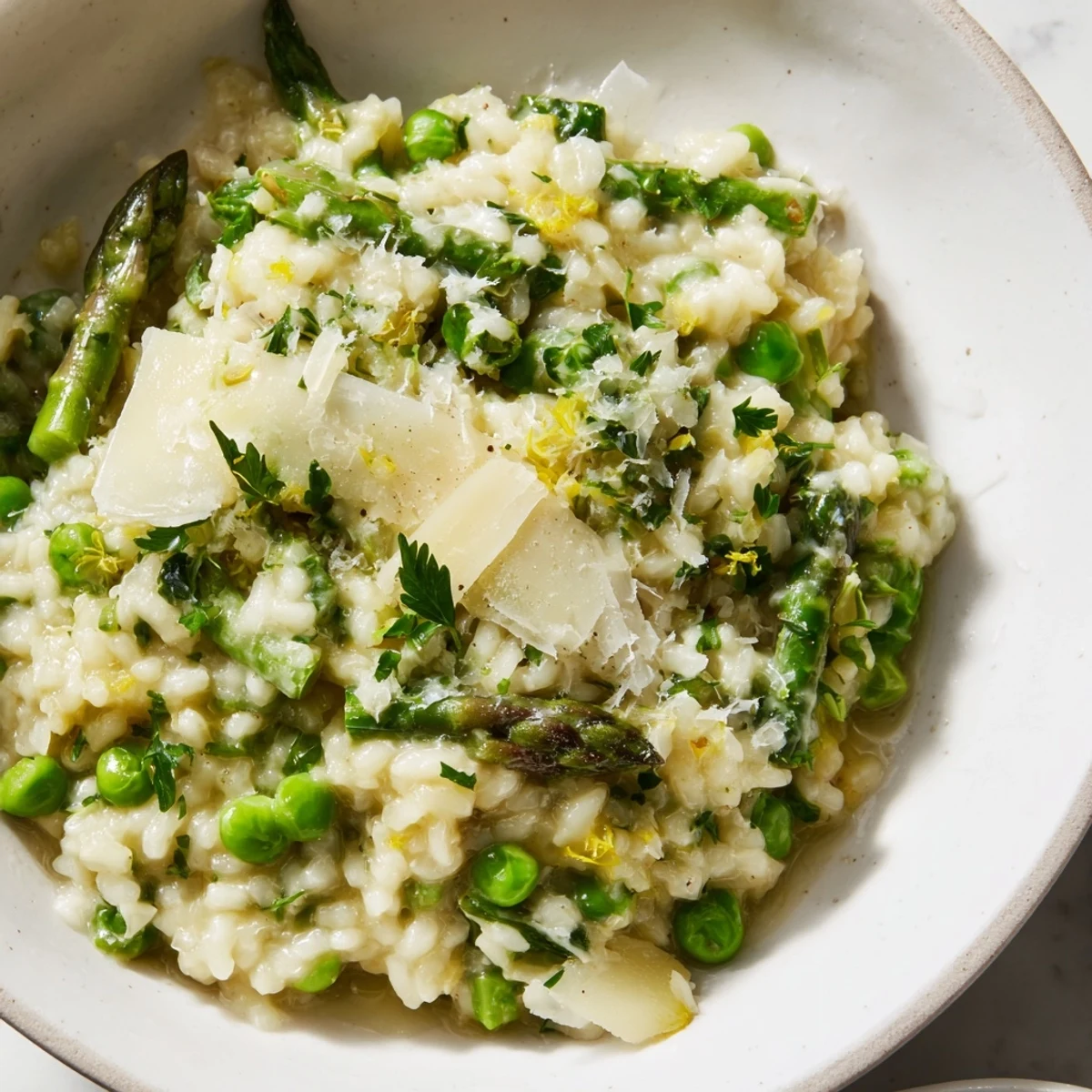
 Theres something deeply satisfying about a dish that transforms simple ingredients into something extraordinary. This risotto is proof that sometimes the most comforting meals are also the most vibrant.
Common Recipe Questions
- → Can I use frozen peas instead of fresh?
-
Yes, frozen peas work well and can be added directly when combining peas toward the end of cooking to retain their bright color and sweetness.
- → How do I know when the risotto is perfectly cooked?
-
The rice should be tender but still slightly firm to the bite, with a creamy consistency achieved by gradually adding warm broth and stirring frequently.
- → Is it possible to make this dish vegan?
-
To make it vegan, substitute butter with plant-based alternatives and omit or replace Parmesan with a vegan cheese or nutritional yeast.
- → What wine pairs best with this dish?
-
A crisp white wine like Pinot Grigio or Sauvignon Blanc complements the fresh flavors without overpowering the risotto's creaminess.
- → Can I prepare this risotto in advance?
-
Risotto is best served fresh, but you can prepare it partially and finish cooking just before serving for optimal texture.