
 Pin it
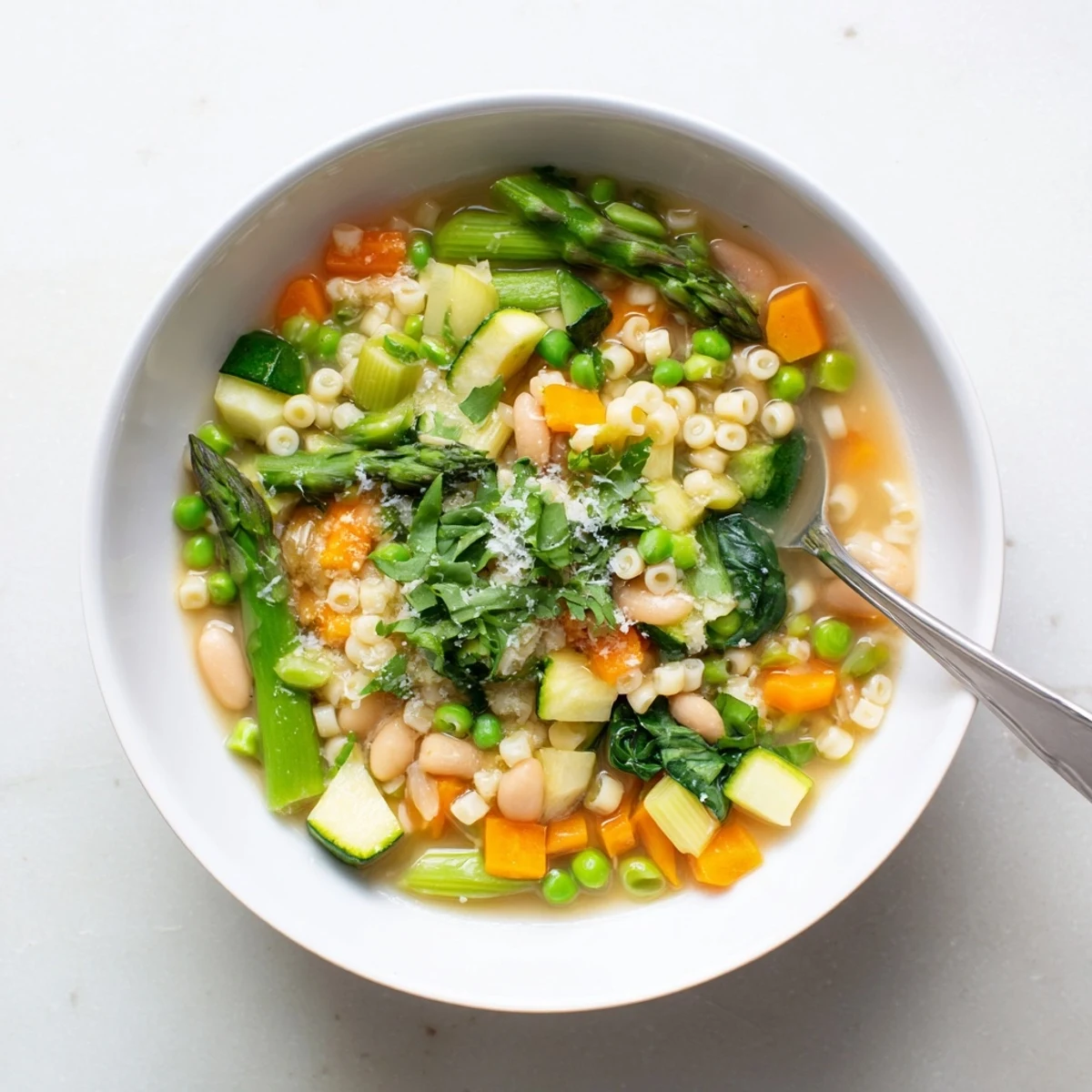
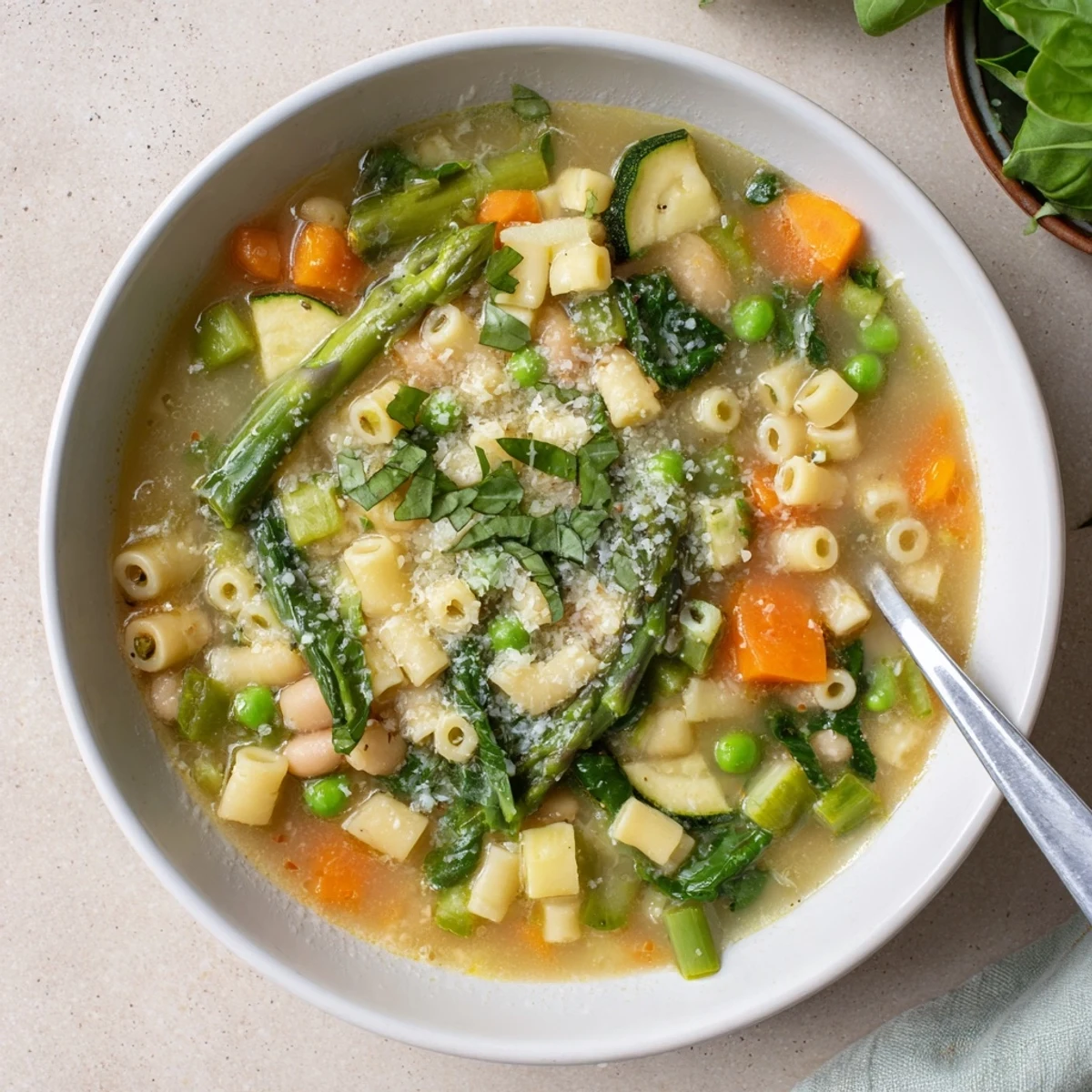
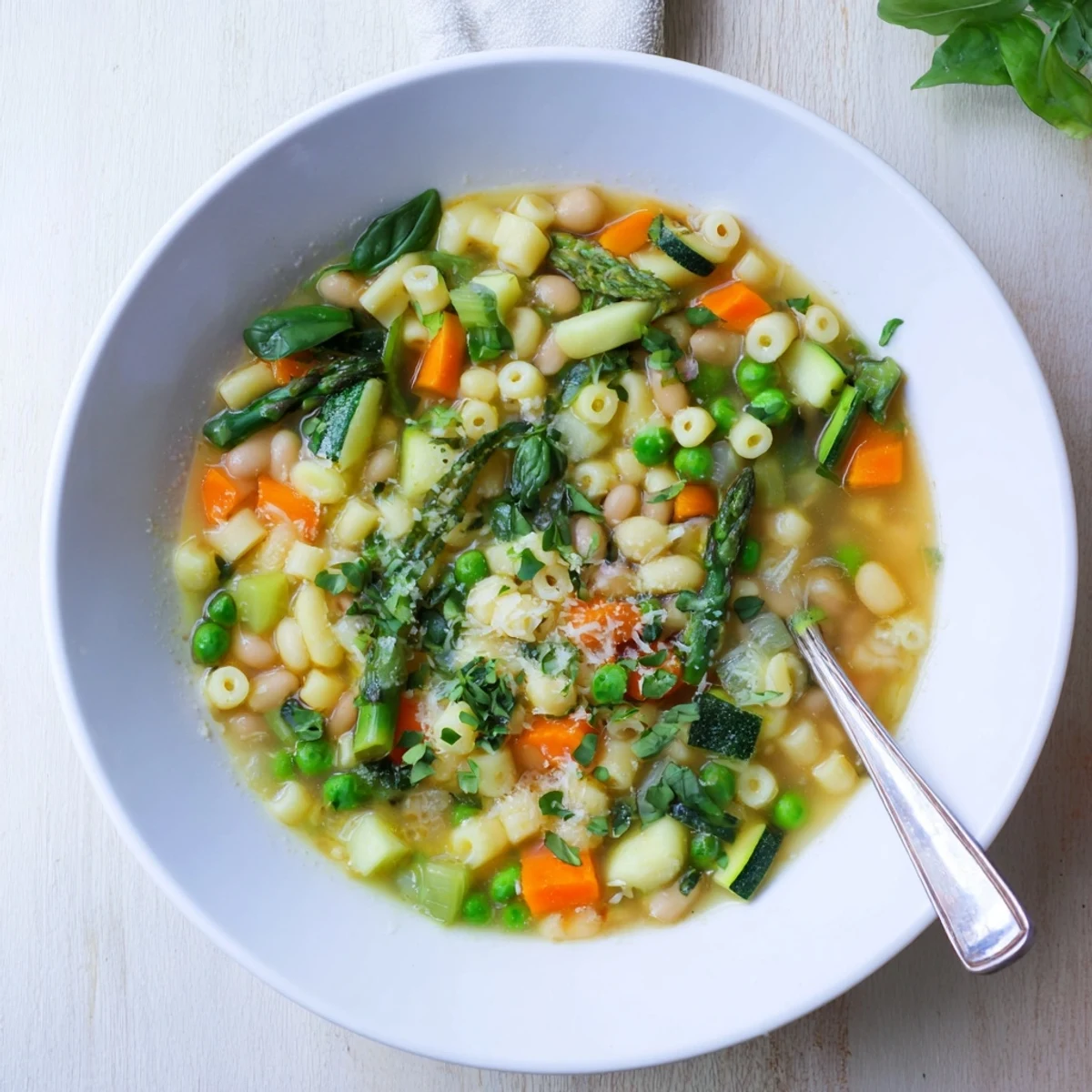
 This spring minestrone brings together asparagus, zucchini, peas, and baby spinach in a light vegetable broth with cannellini beans and small pasta. Fresh basil, parsley, and a splash of lemon juice brighten every bowl. It comes together in just 45 minutes with minimal prep, making it an easy weeknight option that still feels special. The soup is naturally vegetarian, easily made vegan, and pairs beautifully with crusty bread. Each serving delivers 265 calories with a satisfying balance of carbohydrates and plant protein.
There was a morning last April when I opened my fridge and found nothing but a tangle of asparagus, half a zucchini, and a lonely bunch of basil looking back at me. Instead of running to the store, I started chopping, and what came out of that pot smelled like the ground had finally thawed. That impromptu soup became the one I make every time spring feels hesitant to arrive.
I brought a batch to a friend's porch dinner last May, and her usually picky six-year-old ate two bowls without saying a word. The next day she texted asking for the recipe, and I had to admit I had barely written anything down.
Ingredients
- Olive oil: A good extra virgin matters here since the fat carries every delicate spring flavor through the broth
- Onion: Finely chopped so it melts into the base instead of leaving chunky bits
- Garlic: Two cloves is enough to whisper without shouting over the vegetables
- Carrots: Diced small so they cook at the same pace as the softer spring veg
- Asparagus: Cut into one-inch pieces, and use the tender parts of the stalk only
- Zucchini: Diced to match the carrots for an even bite throughout
- Peas: Fresh ones pop with sweetness, but frozen work perfectly in a pinch
- Baby spinach: Added at the very end so it stays bright and tender
- Vegetable broth: Use a low-sodium version so you control the seasoning
- Cannellini beans: Rinsed well to keep the broth clean and clear
- Small pasta: Ditalini holds its shape best, but orzo works if that is what you have
- Salt and black pepper: Season in layers, not all at once at the end
- Fresh basil and parsley: Do not skip these, dried herbs will not give you the same lift
- Lemon juice: This is the secret that makes it taste like spring, not just vegetables in water
- Parmigiano Reggiano: Optional, but a shower of it on top turns the bowl into something you crave
Instructions
- Build the base:
- Heat olive oil in a large pot over medium heat, add the onion, and cook for about 3 minutes until it goes soft and translucent. You want it sweet, not browned.
- Add the aromatics:
- Stir in the garlic and diced carrots, cooking for 2 to 3 minutes until the kitchen smells warm and inviting.
- Bring in the spring vegetables:
- Add the asparagus, zucchini, and peas, stirring occasionally for another 2 minutes so everything gets coated in that flavorful oil.
- Simmer with broth and beans:
- Pour in the vegetable broth and bring it to a boil, then add the cannellini beans and pasta. Reduce the heat, cover, and let it simmer for 8 to 10 minutes until the pasta and vegetables are just tender.
- Finish with the greens and herbs:
- Stir in the baby spinach, chopped basil, and parsley, cooking for 1 to 2 minutes until the spinach just wilts and turns bright green.
- Season and serve:
- Remove the pot from heat, stir in the lemon juice, and adjust salt and pepper to taste. Ladle into bowls and finish with grated Parmigiano Reggiano if you like.
 Pin it
 My mother-in-law tasted this once and said it reminded her of the soups her grandmother made in their kitchen outside Bologna. I still think about that compliment every time I stir the pot.
Choosing Your Spring Vegetables
The beauty of minestrone is its flexibility, but spring versions shine brightest when you let the market guide you. Fava beans, green beans, or even tender leeks can step in for anything listed above without changing the soul of the soup.
Getting the Pasta Right
I used to cook the pasta separately to prevent it from swelling, but honestly, cooking it right in the broth is what gives this soup its comforting body. Just pull it off the heat a minute before you think the pasta is done, because it will keep softening in the hot liquid.
Serving It Like You Mean It
Crusty bread is non-negotiable for dunking, and a chilled Pinot Grigio on the side makes it feel like a proper Italian evening. If you are keeping it vegan, a drizzle of good olive oil on top adds the richness the cheese would have provided.
- Warm your bowls in a low oven for five minutes before ladling
- Hold back a handful of herbs to scatter on top as a finishing touch
- This soup tastes even better the next day, so make extra
 Pin it
 Every bowl of this soup is a little celebration of the season changing, and that is reason enough to make it again and again.
Common Recipe Questions
- → What vegetables work best in spring minestrone?
-
Asparagus, zucchini, peas, and baby spinach are classic choices. You can also add fava beans, green beans, or leeks depending on what's fresh at the market.
- → Can I make this minestrone vegan?
-
Yes, simply omit the Parmigiano Reggiano garnish or replace it with a plant-based cheese alternative. The soup itself is already fully vegan.
- → What type of pasta should I use?
-
Small shapes like ditalini or orzo work best because they fit on a spoon easily. Any small pasta will do, including shells or elbow macaroni.
- → How long does this soup keep in the fridge?
-
Store leftover minestrone in an airtight container for up to 3 days. The pasta may absorb some broth, so add a splash of vegetable broth when reheating.
- → Can I freeze spring minestrone?
-
It freezes well for up to 2 months, though the pasta texture may soften slightly. For best results, cook the pasta separately and add it when reheating.
- → What should I serve with this soup?
-
Crusty bread is the classic pairing. A light white wine like Pinot Grigio complements the bright, herbaceous flavors nicely.