
 Pin it
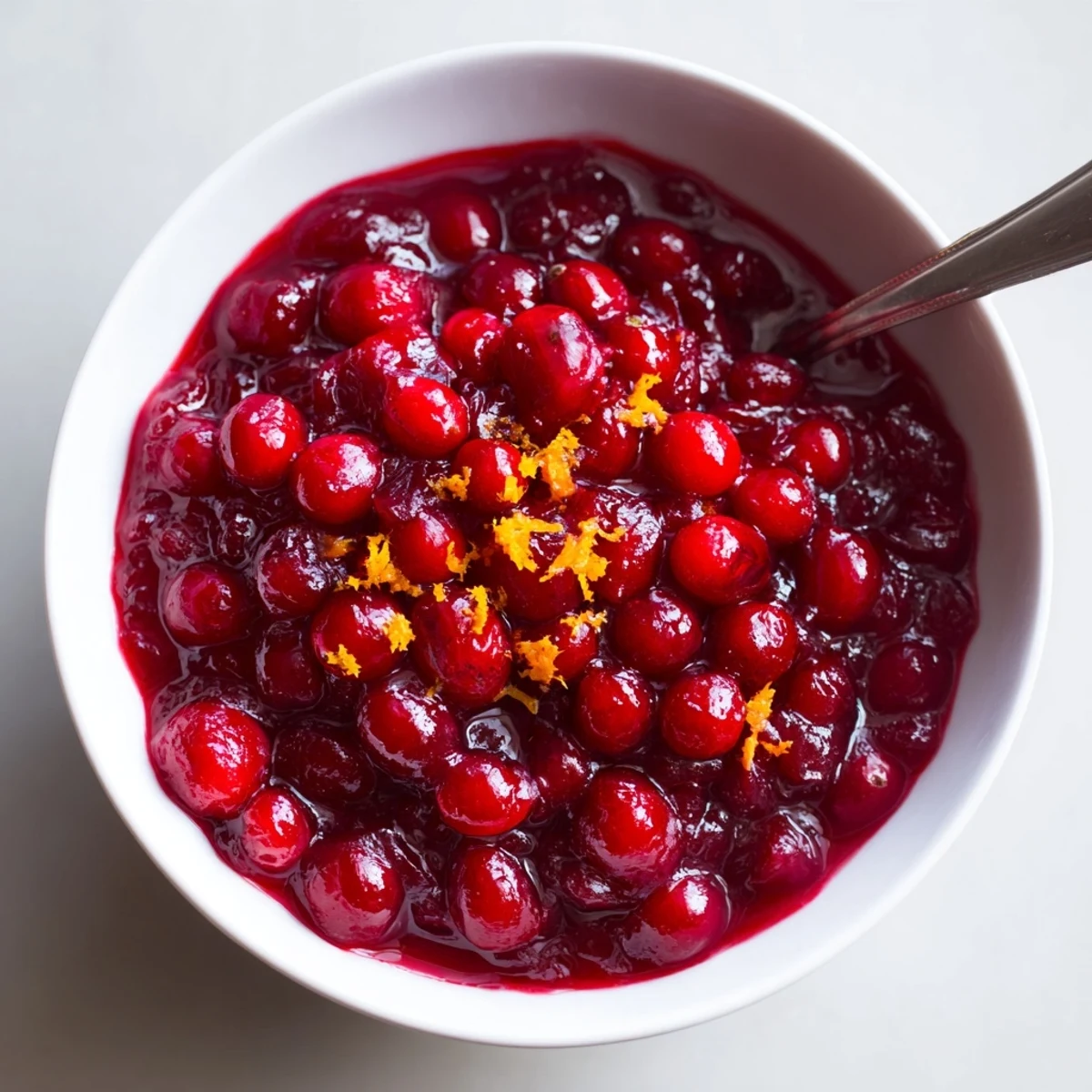
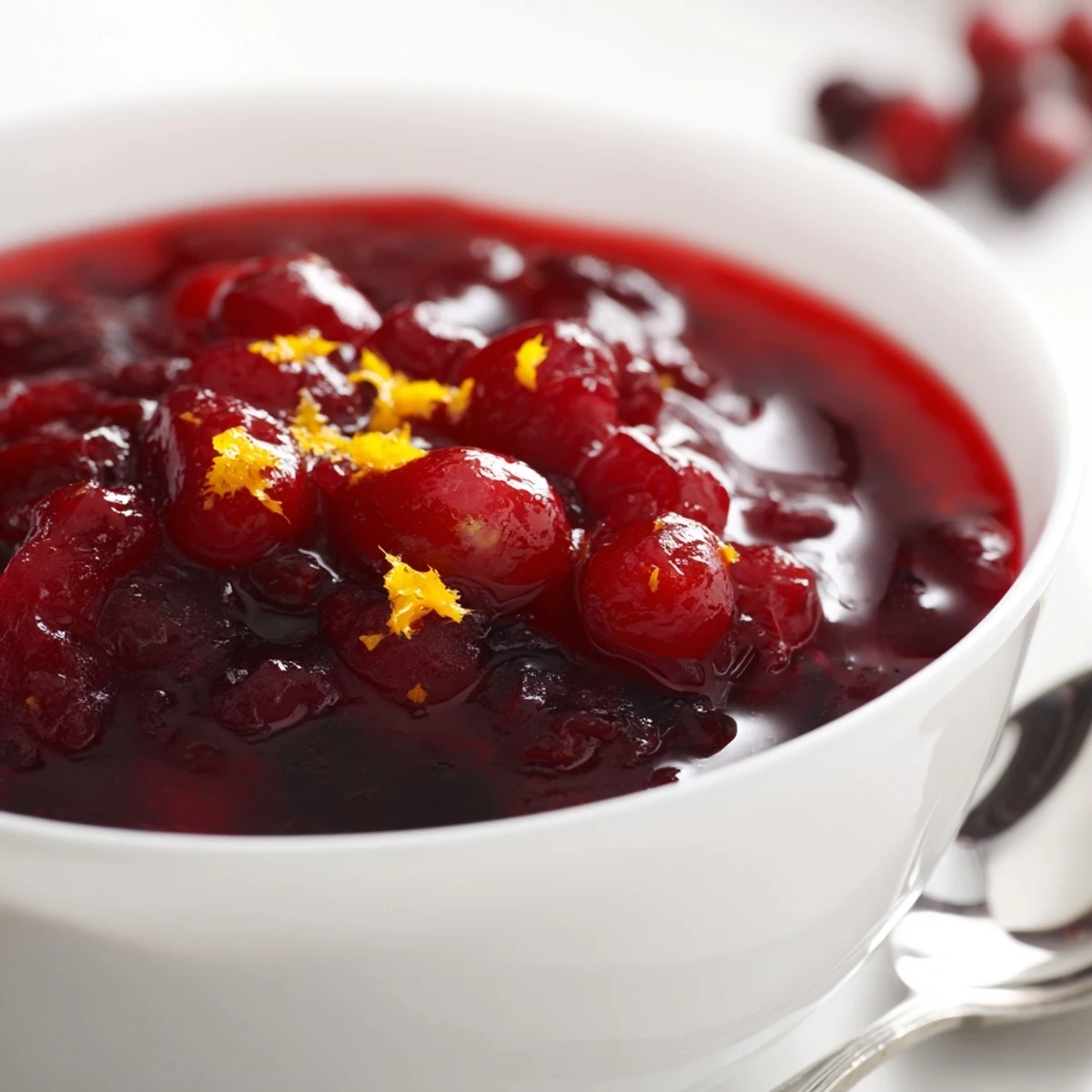
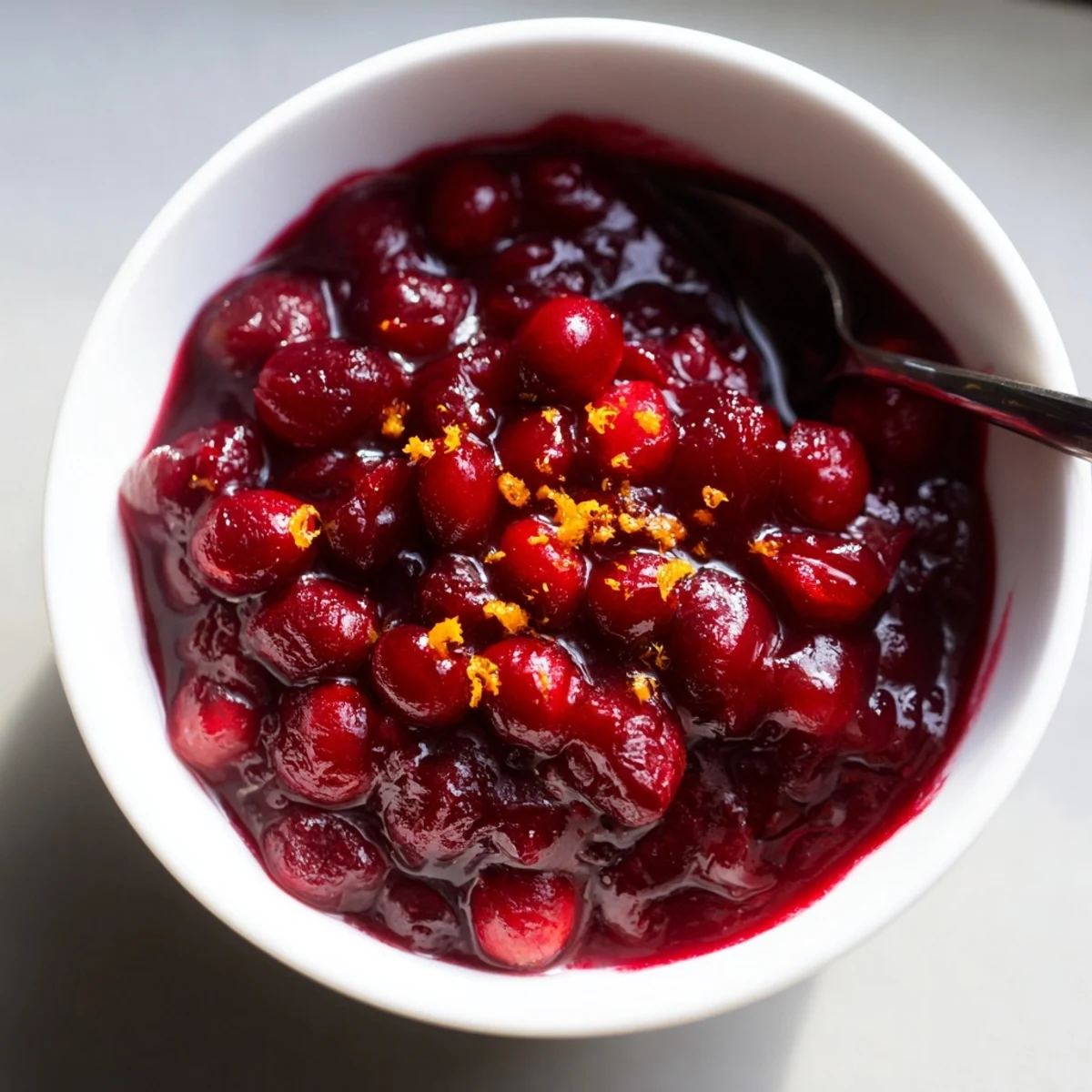
 This bright and tangy-sweet cranberry sauce combines fresh cranberries with orange juice and zest for a flavorful twist. Cooking the mixture until cranberries burst creates a naturally thickened, vibrant sauce. Optional cinnamon adds warmth, while a pinch of salt balances flavors. Cool before serving to enhance texture. Ideal as a versatile accompaniment or spread, this easy-to-make dish complements holiday dishes or snacks perfectly.
My kitchen smelled like a farmer's market the day I started tinkering with cranberry sauce—not the canned kind we've all grown up with, but something alive. I grabbed a bag of fresh cranberries on impulse and an orange because it felt right, and somewhere between the first simmering bubble and that moment when the berries started bursting like tiny fireworks, I realized I'd stumbled onto something worth keeping. This sauce became the thing people actually ask me to bring now.
I made this for a small dinner party last winter when someone brought a bird they'd sourced from a local farm, and I remember feeling a little nervous about serving homemade sauce alongside something so special. But the moment it hit the plate—that deep ruby color, still warm and glossy—I knew it belonged there. One guest went back to the kitchen just to spoon more onto her plate, and that's when it stopped being my recipe and became a tradition.
Ingredients
- Fresh or frozen cranberries, 12 oz: Use fresh if you can find them—they have a brighter flavor and burst more dramatically as they cook, but frozen works beautifully if that's what you have.
- Medium orange, zested and juiced (about 1/2 cup juice): The zest adds little bursts of flavor that don't cook away; the juice provides brightness and natural pectin to help the sauce thicken.
- Granulated sugar, 3/4 cup: This balances the cranberries' natural tartness without drowning out their personality.
- Water, 1/4 cup: Just enough liquid to get everything moving on the heat without making the sauce soupy.
- Ground cinnamon, 1/4 tsp (optional): If you use this, add it toward the end so the warmth stays gentle and subtle.
- Salt, pinch: A tiny whisper of salt makes everything taste more like itself.
Instructions
- Pick through and rinse:
- Spread the cranberries on your counter and quickly scan for anything mushy or visibly damaged—discard those. A quick rinse under cold water takes about a minute and removes any dusty residue.
- Combine in the pan:
- Add cranberries, orange juice, zest, sugar, and water to a medium saucepan. The mixture will look loose and unpromising at this point, which is normal.
- Stir and dissolve:
- Turn the heat to medium and stir occasionally until the sugar disappears into the liquid. This takes about 2–3 minutes and smells incredible.
- Bring to a simmer and cook:
- Keep the heat at medium and listen for that gentle bubble sound—not a rolling boil, but a steady simmer. Stir occasionally as the cranberries burst and release their seeds and juice, which is where the sauce gets its body. This usually takes 10–12 minutes total.
- Add warmth and seasoning:
- Once the berries have mostly burst and the mixture looks thick enough to coat a spoon, add cinnamon and salt if you're using them. Stir and taste—this is your moment to adjust.
- Cool and set:
- Remove from heat and let sit at room temperature for about 30 minutes. As it cools, the natural pectin does its work and the sauce becomes even thicker and silkier.
- Store or serve:
- Transfer to a bowl or airtight container and refrigerate until you're ready. It keeps for at least two weeks.
 Pin it
 There's something about the sound of cranberries popping in the pan that feels almost ceremonial—like the sauce is alive and singing. The first time I served this to my partner's family, his grandmother told me it reminded her of something her own mother used to make, which hit differently than any compliment on the recipe itself. That's when I understood that good food isn't really about following instructions perfectly; it's about creating something that feels like home to someone.
Why Fresh Cranberries Matter
Frozen cranberries work in a pinch, but fresh ones have a complexity that tastes brighter and less flat. If you can find them in season (late fall), buy extra and freeze them yourself in a single layer on a baking sheet before transferring to bags—they thaw beautifully in the saucepan and cost less than buying them pre-frozen.
The Orange Juice Secret
Don't use bottled juice; I learned this the hard way after making an entire batch that tasted faintly processed. Squeezing a fresh orange takes maybe two minutes and changes everything—the zest becomes more vibrant too, and you can taste the actual fruit instead of a generic citrus backdrop. If you genuinely can't access fresh oranges, lemon juice works as a beautiful substitute and adds its own character.
Variations and Swaps
This sauce is forgiving enough to play with once you understand the basic structure. I've stirred in chopped walnuts for crunch, dried currants for subtle sweetness, and even a splash of port wine for richer occasions. Some people swap honey or maple syrup for granulated sugar—just know that honey isn't vegan, and maple syrup gives an earthier, less sharp result.
- Add a small splash of vanilla extract or a few grinds of fresh nutmeg for warmth without overwhelming the cranberries.
- Stir in chopped fresh ginger at the same time as the cinnamon if you want a gentle spice that builds as you eat.
- Make it ahead—this sauce actually improves after a day or two in the refrigerator as flavors meld together.
 Pin it
 This is the kind of recipe that feels small until you realize how often you're making it, how many people ask for it, and how it becomes the thing that tastes like care. Make it once and you'll understand why.
Common Recipe Questions
- → Can I use frozen cranberries for this sauce?
-
Yes, frozen cranberries work well and offer convenience. Just thaw slightly or add directly to the pan, adjusting cooking time if needed.
- → How do I achieve a smoother texture?
-
Mashing the cranberries with a spoon while cooking breaks down the fruit and creates a smoother consistency.
- → Can I substitute orange juice with another citrus?
-
While orange provides sweetness and brightness, substitute with lemon or grapefruit juice for a different tangy flavor, adjusting sugar to balance acidity.
- → What optional ingredients can enhance flavor?
-
Adding ground cinnamon gives warmth, while a pinch of salt enhances overall taste. For texture, mix in chopped walnuts or dried currants after cooking.
- → How should I store the sauce?
-
Store in an airtight container in the refrigerator. The sauce thickens as it cools and stays fresh for up to a week.
- → Is this suitable for vegan and gluten-free diets?
-
Yes, the sauce is naturally vegan and gluten-free, especially when using sugar instead of honey.