
 Pin it
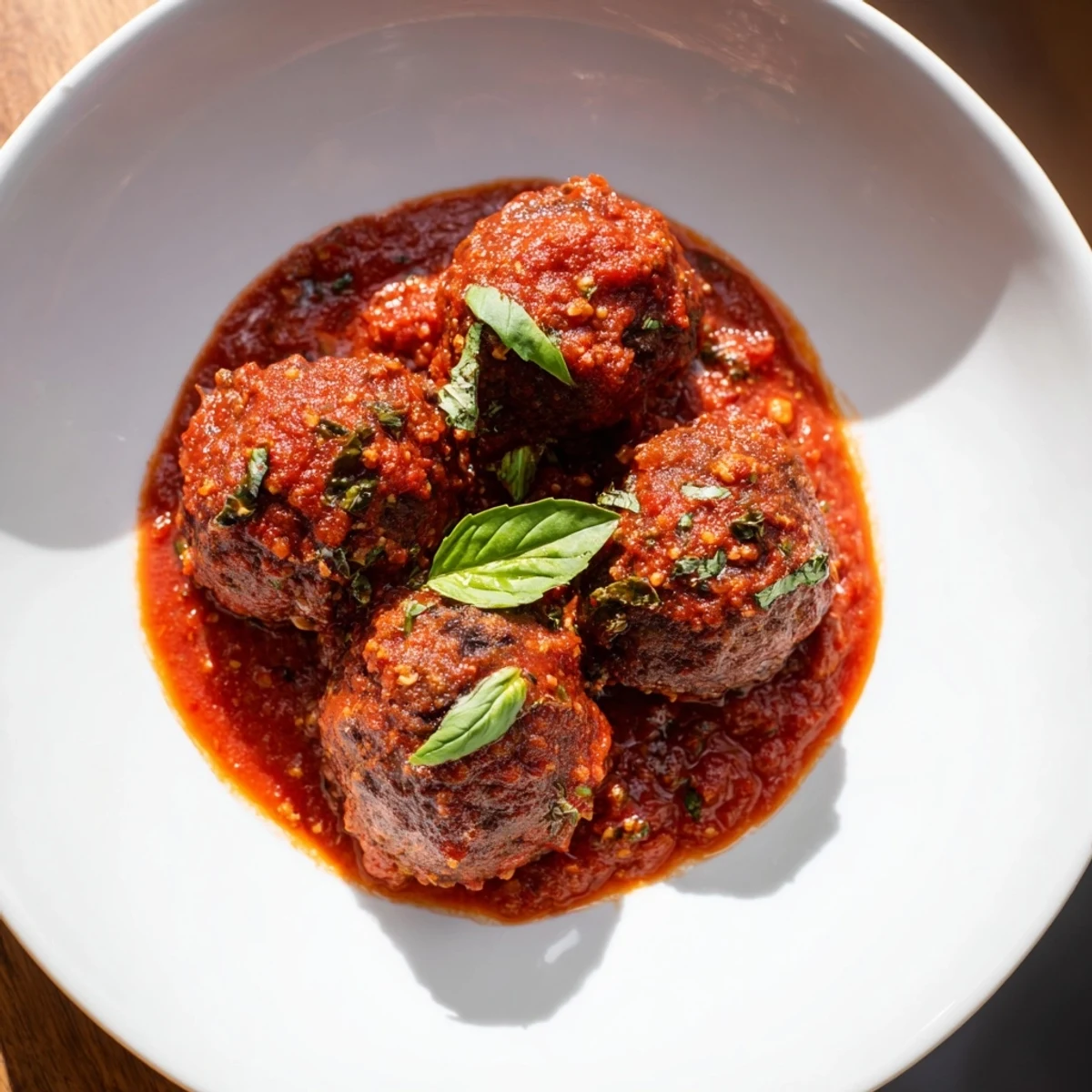
 This dish features tender beef formed into juicy meatballs, browned to perfection, then gently simmered in a rich, flavorful marinara sauce crafted from fresh tomatoes, garlic, herbs, and olive oil. The slow cooking melds the savory beef with aromatic herbs, creating a comforting and hearty Italian-inspired meal. Served best over pasta, polenta, or with rustic bread, it offers a perfect balance of textures and deep, robust flavors for a satisfying dining experience.
Sunday sauce was something my grandmother measured by instinct rather than cups, but these meatballs taught me that even precise recipes can carry that same soul. I spent years trying to recreate the texture I remember from her table—tender enough to cut with a fork, but with enough structure to hold their own in a bubbling pot of sauce. The secret turned out to be milk and breadcrumbs, working together to keep things juicy while they simmer.
Last winter, I made a triple batch for my brother's birthday dinner and watched my usually skeptical nephew eat three meatballs straight from the sauce pan. The way the whole house smelled like slow-cooked tomatoes and garlic made me realize why some recipes become traditions—they feed more than just hunger.
Ingredients
- 500 g (1 lb) ground beef: Choose beef with about 20% fat content for the juiciest meatballs, though I have successfully used lean beef mixed with a little extra milk
- 1/2 cup breadcrumbs: Fresh breadcrumbs make a difference, but panko works in a pinch and creates an even lighter texture
- 1/4 cup grated Parmesan cheese: The saltiness enhances the meat flavor, so use real Parmigiano-Reggiano if you can find it
- 1 large egg: Room temperature eggs incorporate better, and I have learned this detail matters more than I once thought
- 2 tbsp milk: Whole milk keeps the meatballs tender, but any milk you have on hand will work fine
- 2 garlic cloves, minced: Freshly minced garlic releases more oils than pre-minced, and I can always taste the difference
- 2 tbsp chopped fresh parsley: Dried works in winter months when fresh herbs feel like a luxury
- 1 tsp dried oregano: Rub the oregano between your fingers before adding it to wake up the essential oils
- 1/2 tsp salt: This is just for the meatballs, as the Parmesan adds plenty of saliness on its own
- 1/2 tsp ground black pepper: Freshly cracked pepper brings warmth that pre-ground cannot match
- 2 tbsp olive oil (for frying): Extra virgin oil burns faster, so I use regular olive oil for the browning stage
- 2 tbsp olive oil (for sauce): You will need fresh oil for the sauce base after browning the meatballs
- 1 small onion, finely chopped: Finer pieces disappear into the sauce, which I prefer over larger chunks
- 3 garlic cloves, minced: The sauce needs more garlic than the meatballs to stand up to the tomatoes
- 800 g (28 oz) canned crushed tomatoes: Whole tomatoes you crush yourself have better texture, but good quality crushed tomatoes work perfectly
- 1 tbsp tomato paste: This concentrates the tomato flavor without adding extra liquid
- 1 tsp dried basil: Add it along with the oregano for a classic Italian herb blend
- 1 tsp dried oregano: Dried herbs actually work better than fresh in long-simmered sauces
- 1/2 tsp sugar: Just enough to balance the acidity of canned tomatoes without making the sauce sweet
- 1/2 tsp salt: Start with this and adjust at the end, as tomatoes vary in saltiness
- 1/4 tsp ground black pepper: A gentle background heat that complements the tomatoes
- Pinch of red pepper flakes: Optional, but I always add it for that subtle warmth at the back of the throat
- 2 tbsp chopped fresh basil: Add this at the very end to keep the flavor bright and fresh
Instructions
- Combine the meatball mixture:
- Mix everything gently in a large bowl until just combined, working with clean hands and stopping as soon as the ingredients hold together
- Shape the meatballs:
- Form 16 to 18 golf ball sized rounds, handling the mixture as little as possible to keep the texture light
- Brown the meatballs:
- Heat 2 tablespoons olive oil in a large skillet over medium heat, then add meatballs in batches and brown for 5 to 6 minutes total before transferring to a plate
- Start the sauce base:
- In the same skillet, cook the onion in 2 tablespoons fresh oil for 3 to 4 minutes until softened, then add garlic and sauté for 1 minute more
- Build the marinara:
- Pour in the crushed tomatoes, tomato paste, basil, oregano, sugar, salt, pepper, and red pepper flakes, stirring until everything is well combined
- Simmer together:
- Return the browned meatballs to the sauce, cover, and simmer on low heat for 20 to 25 minutes, turning occasionally, until cooked through
- Finish and serve:
- Taste the sauce and adjust the seasoning if needed, then sprinkle with fresh basil or parsley right before serving
 Pin it
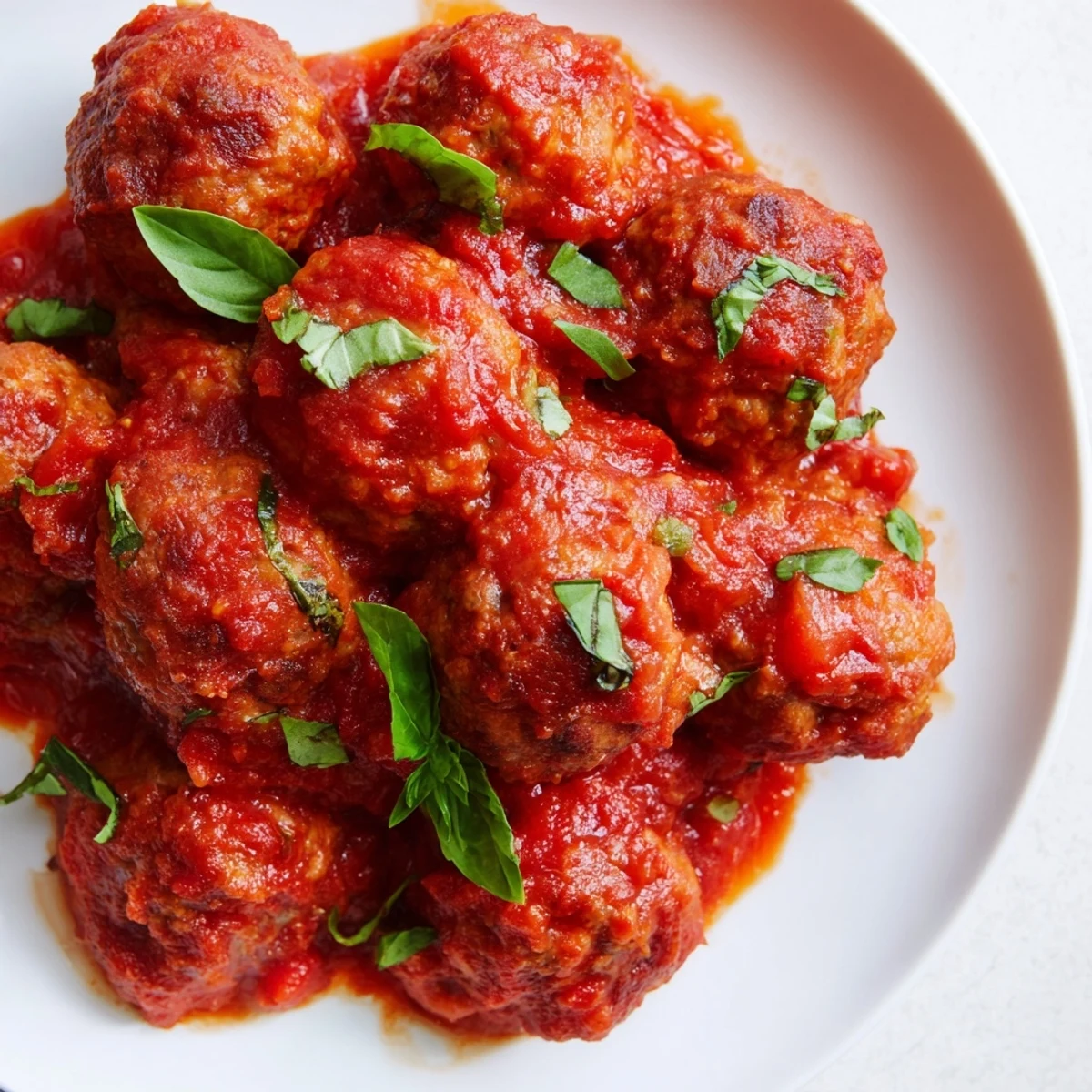
 My friend Marco once told me that in Italy, the sauce is more important than the pasta itself. After eating these meatballs straight from the pot with nothing but a fork, I finally understood what he meant.
Serving Suggestions That Work
I have served these meatballs over spaghetti, tucked into sub rolls, and even alongside roasted vegetables on nights when pasta feels like too much. Crusty bread for dipping is non-negotiable in my house—everyone fights over the last piece.
Making It Your Own
A splash of red wine in the sauce adds depth that people notice without being able to identify. I have also swapped half the beef for ground turkey when I wanted something lighter, though the texture does change slightly.
Storage and Make-Ahead Tips
The sauce actually tastes better the next day, which makes this perfect for meal prep or entertaining. I often make the sauce on Sunday and let it rest in the refrigerator until Monday dinner.
- Freeze cooked meatballs and sauce together for up to two months
- Reheat gently over low heat to prevent the sauce from separating
- The meatballs can be shaped and refrigerated uncooked for up to 24 hours before browning
 Pin it
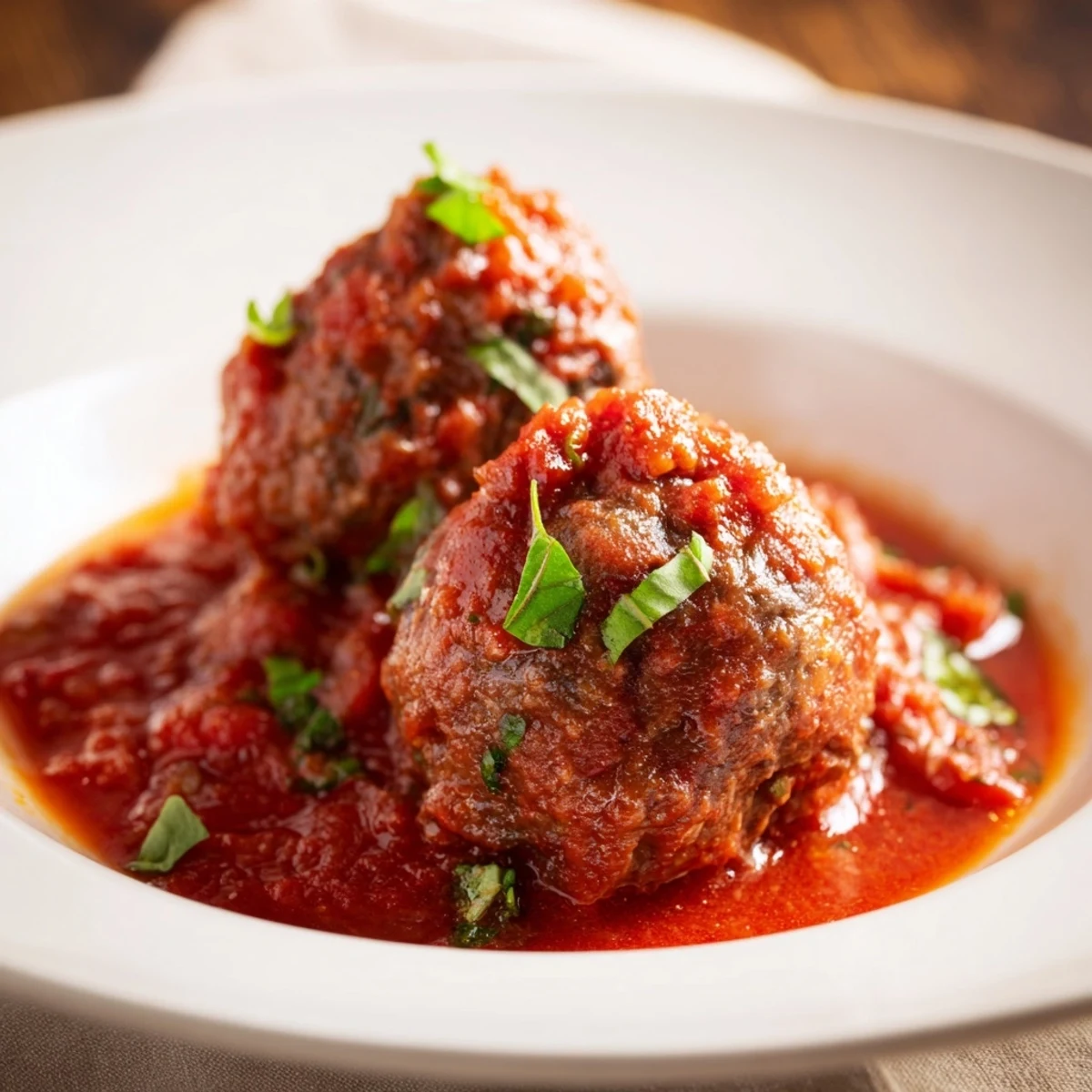
 Some recipes are worth making once, but this is one I come back to again and again. It reminds me that good food is not about fancy techniques—it is about taking care at every step.
Common Recipe Questions
- → How do I keep meatballs tender and juicy?
-
Use a mix of breadcrumbs, milk, and eggs to bind the meat gently without overworking it. Browning the meatballs before simmering locks in moisture.
- → What herbs work best in the marinara sauce?
-
Dried oregano and basil provide classic Italian flavors, while fresh basil or parsley added at the end brightens the sauce.
- → Can I prepare the sauce ahead of time?
-
Yes, the marinara sauce can be made in advance and stored in the fridge for up to 3 days or frozen for longer storage.
- → What is the best way to cook the meatballs evenly?
-
Brown the meatballs in batches over medium heat, turning regularly to develop a crust, then simmer gently in sauce to finish cooking through.
- → How can I adjust the flavor for a deeper sauce taste?
-
Add a splash of red wine during the simmering step to enrich the sauce with subtle complexity and depth.